Has your guitar playing progressed throughout the year? Well, January is always a good time to reflect on the accomplishments of the previous year.
The past is the past, but reviewing the lessons you’ve learned on guitar will help reveal how much you improved(or not), and can be highly motivational.
So I’m writing this annual review the same way I practice guitar: slow enough to hear what’s real, honest enough to fix what’s off, and upbeat enough to keep going.
Review your year and focus on what changed your playing, not just what you “achieved.” Consistency beats intensity, small targets beat vague goals, and solid timing makes everything sound better. Track simple metrics (like days played), record yourself weekly, and set a short, repeatable practice plan for 2026.
I love a big burst of motivation. A late-night practice sprint. A new riff that makes me feel unstoppable.
But 2025 kept reminding me that the real gains come from showing up when it’s boring.
Here’s the simplest way I can say it:
The players who improve are the ones who keep the flame lit, even when it’s low.
My most productive weeks weren’t the ones with 12 hour sessions. They were the ones with short, repeatable routines, like “10 minutes of timing, 10 minutes of chord changes, 5 minutes of bends.”
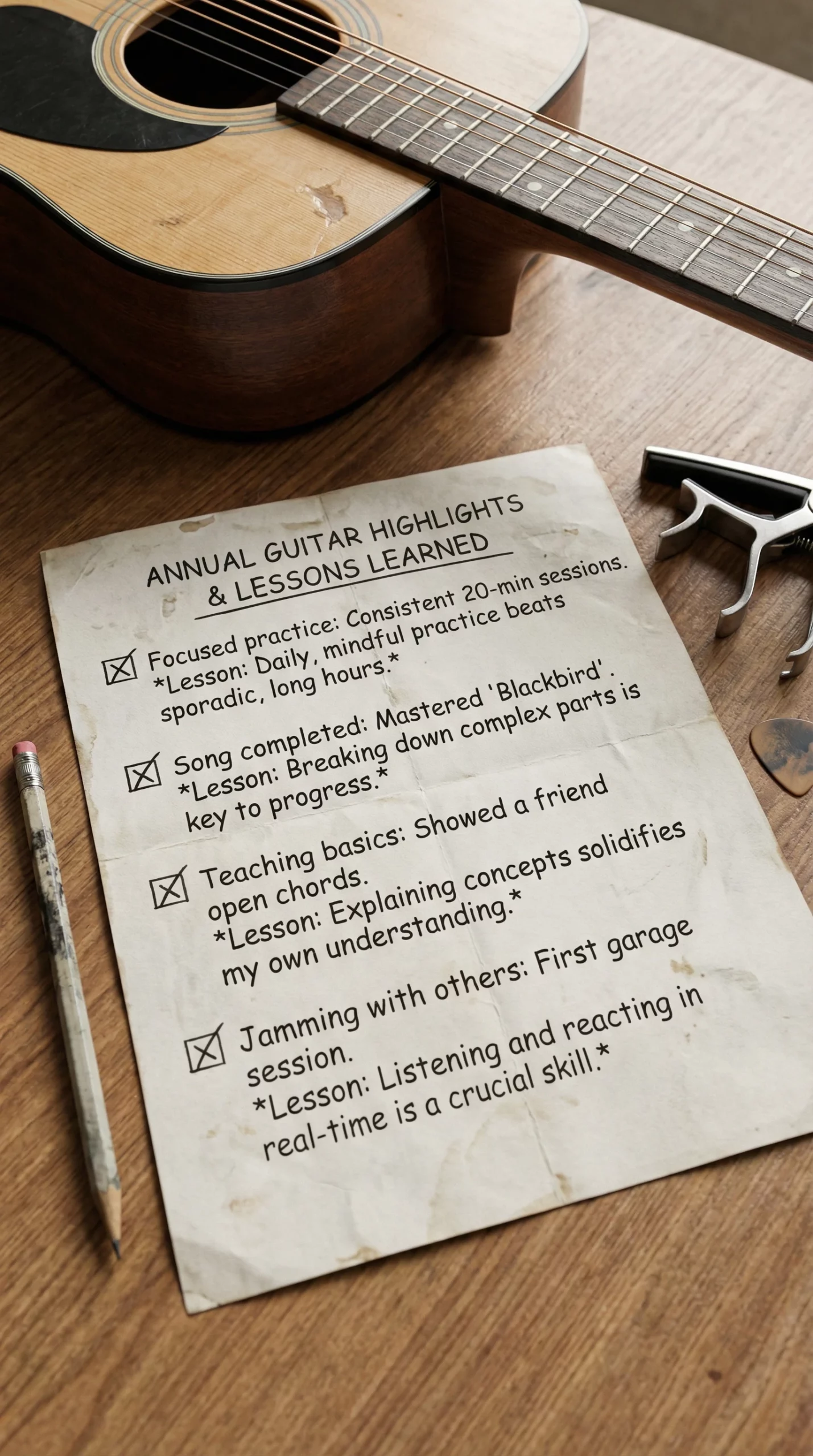
A highlight isn’t always a milestone. Sometimes it’s a moment where something clicks and stays clicked.
A few that stuck with me:
Focused Practice
I stuck with a practice plan long enough to see it work.
I used to keep changing things, looking for the “perfect” routine. This year I kept it simple, stayed consistent, and adjusted based on what actually improved my playing.
Song
It finally felt easy playing at tempo. Not “I can survive it” easy. I mean the kind of easy where your shoulders drop and you can listen while you play.
Teaching
A student win that punched me in the chest (in a good way).
When someone messaged, “I didn’t quit this week,” I felt that. Helping someone progress in their guitar playing journey was like shot of pure adrenalin.
Gig/Jam
I listened more than I showed off.
I didn’t try to fill every gap with notes. I left space. The band sounded bigger because of it.
If you’re doing your own annual review, don’t just list achievements. List the moments that changed how you play.
I learned that practice isn’t a place you go when you feel inspired. It’s a system you lean on when life gets loud.
3 practice lessons I’m taking with me:
1) Friction is information
If I avoided an exercise, it wasn’t because I was lazy. It was usually because it exposed weak timing, sloppy fretting, poor picking control, or plain confusion.
2) Small targets beat big goals
“Learn lead guitar” is too vague. “Play a lick at tempo with clean bends” is a target you can hit.
3) Timing fixes more than people admit
A riff with average technique but strong timing sounds confident. A riff with great technique and shaky time sounds nervous.
When I got stuck, I kept returning to one question: “What’s the smallest version of this I can do today that still counts?”
That question saved my momentum more times than I can think of.
Helping newer players has a funny effect. It forces me to explain what I do without hiding behind muscle memory.
This year, I kept seeing the same traps:
The “information binge” trap: watching 20 videos, practicing none
The “perfect hand position” trap: freezing up because it doesn’t feel automatic
The “I’m behind” trap: comparing your day one to someone else’s year ten
What worked best was giving people a clear next step they could finish in one sitting, like:
My big takeaway: confidence grows from completed reps, not from collecting tips. Action NOT words!
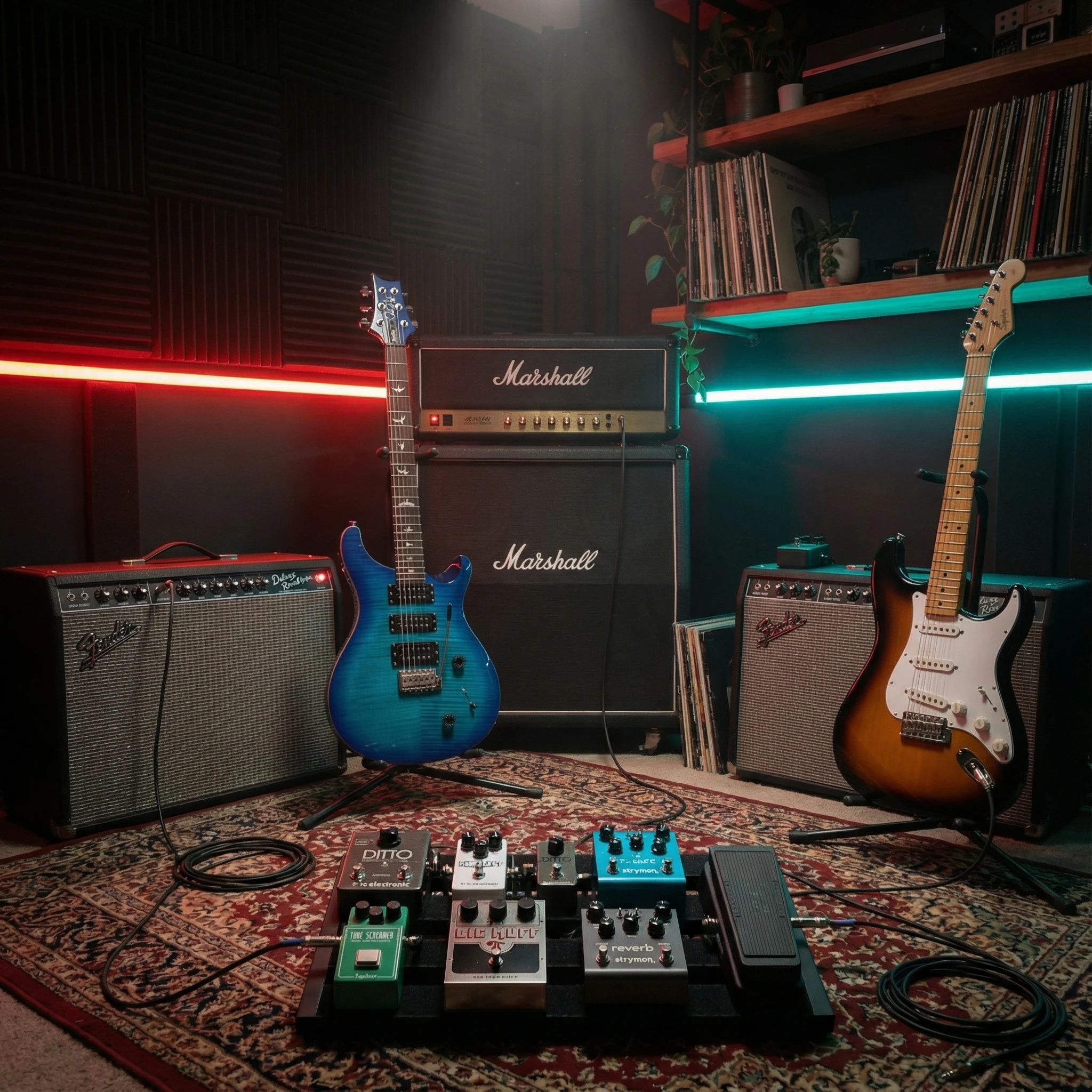
I love gear. I always will. But 2025 reminded me that gear can be either a tool or a hiding place.
I caught myself thinking, “If I just change (pedal/amp setting/pickups), this will sound right.” Sometimes that’s true. Often it’s not.
Here’s what actually moved the needle for my tone:
The funny part is that these changes cost nothing. They only cost attention.
If you’re chasing tone, try this: record 20 seconds of the same riff twice, once with lighter picking and once with heavier picking. Same settings. Listen back. That’s tone training.
If you are seeking gear(we all are), check out the String Shock Gear Zone for reviews.
I used to avoid metrics because they felt cold. Now I use a few simple ones as a mirror, not a judge.
Don’t make it too rigid, just think of it as a snapshot of your progress. Writing it down will help you visualize what you’ve accomplished so you can push through new goals.
Here’s the quick snapshot style I like for an annual review:
| Area | What I Tracked | What I Noticed |
|---|---|---|
| Practice | [sessions/week] | More progress when I kept it steady |
| Repertoire | [songs learned] | Fewer songs, deeper mastery felt better |
| Technique | [tempo on exercise] | Small tempo jumps beat big leaps |
| Creativity | [riffs recorded] | Recording ideas kept me motivated |
| Consistency | [missed weeks] | Life happens, restart speed matters |
If you want one metric that pays off fast, track “days I played guitar,” even if it’s 10 minutes. That number tells the truth.
Some days, I waited to feel ready. Those days usually slipped away.
This year taught me a tougher, better order of operations:
Action first. Motivation second.
Not every time, but most of the time.
When I played for five minutes, the next 20 got easier. When I didn’t start, the whole day felt heavier somehow.
One more lesson that often gets overlooked: rest is part of the plan. I played better after real breaks, the kind where I stop “guilt scrolling” guitar content and actually recover.
I wouldn’t change everything. The mess taught me plenty.
But I would change a few habits:
Short sessions stack. Long sessions are a bonus.
The mic doesn’t lie, but it also doesn’t insult you. It just shows you what to fix.
A song like (classic rock staple of your choice) that I revisit weekly. It’s a built-in benchmark for timing, tone, and feel.
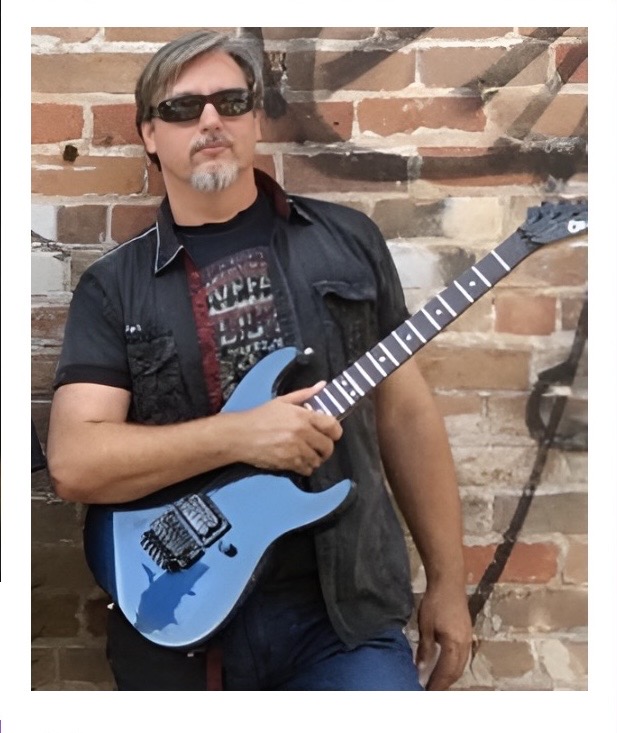
This annual review has one core message for me and for you: progress is less about talent and more about staying in the fight with a clear plan.
Now repeat after me: “In 2026, I’m committing to”
Now I want to hear yours: what was your biggest highlight of 2025, and what’s the one lesson you’re carrying into 2026?
? Create your own unique practice routine with the String Shock Steve Rock Guitar Practice Schedule Generator.
-String Shock Steve ⚡️
Look for proof in small areas, not big hype moments. Check if your timing is steadier, chord changes are cleaner, songs feel easier at tempo, and your hands stay more relaxed. If you can record the same riff now and it sounds more controlled than it did months ago, you improved.
Short, repeatable practice usually wins. Long sessions help, but they are harder to sustain. Even 10 to 25 minutes a day builds more skill than one huge session every once in a while, because your hands and brain learn through frequent reps.
Use a simple routine you can finish. Try: 3 minutes timing with a metronome, 4 minutes chord changes or a riff loop, 3 minutes on one technique (bends, alternate picking, palm muting). Keep it slow and clean. The goal is to keep the streak alive. Create a custom practice routine with the String Shock Steve Practice Generator.
Timing makes average technique sound confident. Bad timing makes great technique sound shaky. If you want your playing to feel “easy at tempo,” timing work (metronome, slow reps, consistent strumming and picking) usually gives the fastest payoff.
Sometimes, yes. Gear can help, but your hands shape more of your tone than most people admit. Before buying something new, test your touch first: pick lighter vs heavier, move your picking hand closer to the bridge, and tighten muting with both hands. Record it and listen back. That is the fastest reality check.

I’ve been playing guitar 40 years now; writing, recording, and rocking in bands. Randy Rhoads, Warren DiMartini, and of course, Jimi Hendrix all lit the fire for me, and I’ve been chasing that passion ever since.


Stop "practicing" and start playing. Grab the daily blueprint I use to keep my fingers stage-ready in just 15 minutes.
Join 1,000+ guitarists mastering the fretboard. No spam, just tone.


