
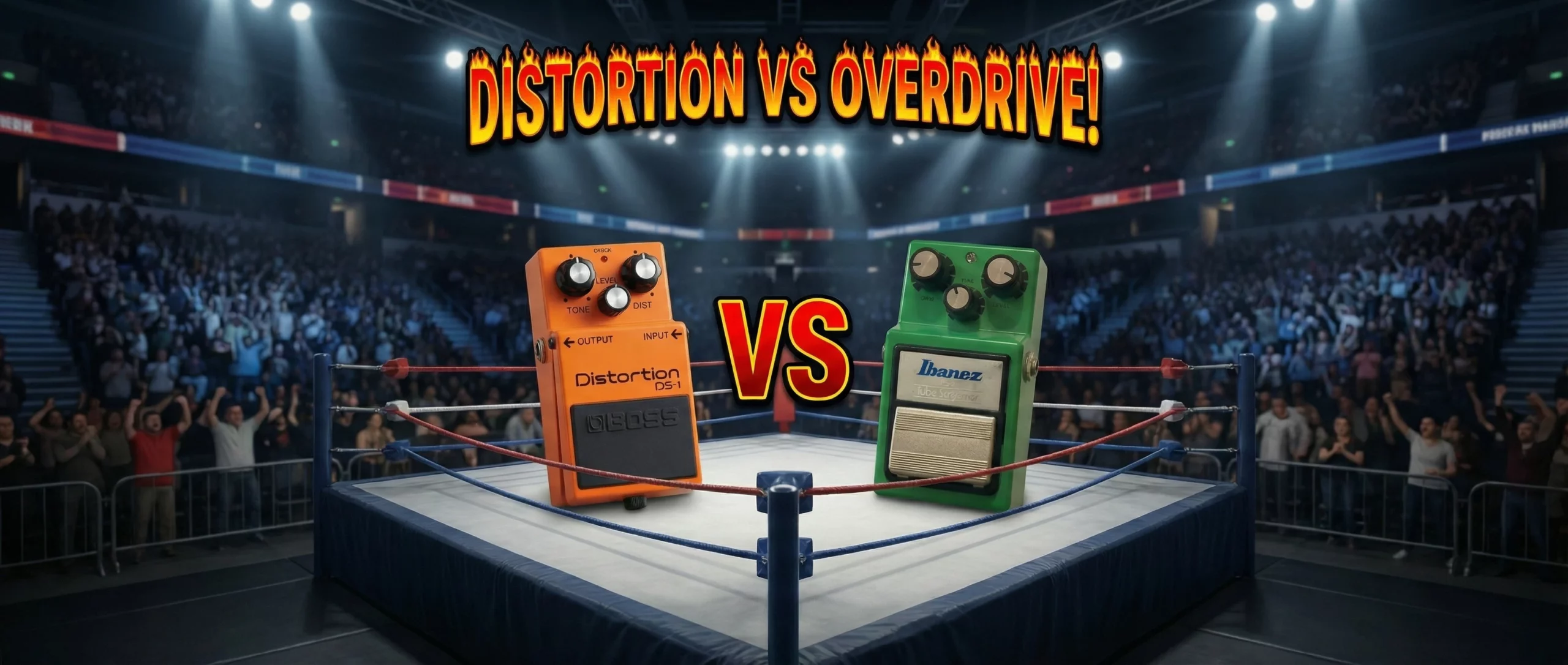
If you’re new to electric guitar and starting to look at pedals, the question of “Do I need distortion or overdrive pedal?” hits everyone sooner or later.
And usually right after that, “What if I buy the wrong one?”
Take a deep breath. This is a normal crossroads for beginner guitarists, especially those who want to play hard rock and metal.
The truth is, neither pedal is “better.”
This guide is here to help you figure out what’s the right one for YOU!
If you want to sound good fast, play rock or metal, and avoid fighting your tone, start with a distortion pedal. It’s more forgiving, works better at low volume, and delivers instant rock tone. Overdrive is great too, but it rewards touch and control, which usually comes later. Start simple. Build confidence. Rock first and refine later.
Overdrive pedals are designed to recreate the sound of an amp being pushed just past clean. Imagine turning your amp up until it starts to break up, but doing that without making your neighbors hate you.
Key traits:
That sensitivity is why so many experienced players love overdrive. It feels alive. Your fingers control the sound.
But here’s the part most beginner guides skip:
Overdrive doesn’t correct anything.
It reveals everything.
If your picking is uneven, your muting is sloppy, or your timing drifts, overdrive puts a spotlight on it. That’s not a flaw, it’s just not always encouraging early on.
Distortion pedals take things a step further. They add more gain and compression, shaping your sound into something thicker and more controlled.
Key traits:
Distortion is less dependent on touch and more focused on consistency. Once you dial it in, it stays there.
This is why distortion is often described as “easier” for beginners. It smooths out inconsistencies and delivers a more immediate rock tone, even if your technique is still developing.
Important note:
Easy does not mean low quality.
Some of the most iconic guitar tones ever recorded were based around distortion.
Here’s the simplest way to think about it:
Neither is wrong.
But support matters more early on to keep you motivated.
The Beginner Truth: Most beginners aren’t chasing nuance.
They’re chasing motivation.
They want:
There’s nothing lazy or shallow about that. Confidence is your fuel.
This is why, for most beginners, especially those interested in rock or metal, distortion is usually the better first pedal.
Not forever.
Just first.
Check out more gear reviews inside the String Shock Gear Zone!
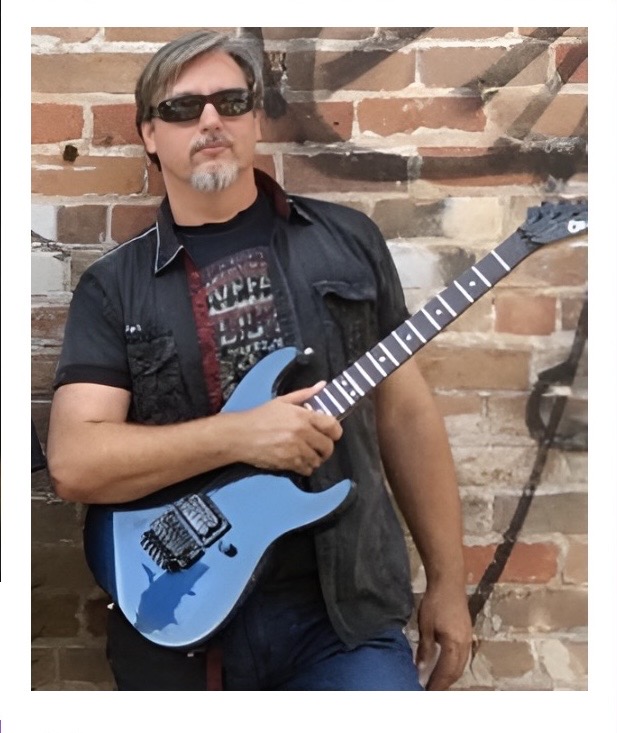
When I first started playing, pedals weren’t explained the way they are now. I learned by guessing and hoping for the best.
I remember getting my first overdrive pedal and feeling….underwhelmed.
Not because it was bad, but because I wasn’t ready for it yet. My timing was inconsistent, my muting was sloppy, and every mistake came through loud and clear.
It made me feel like I was doing something wrong.
Later, when I finally tried a distortion pedal, everything changed. Chords sounded fuller. Single notes sustained longer. I wasn’t suddenly a better player, but it inspired me to keep practicing.
Looking back, I didn’t need a more “advanced” pedal. I needed one that supported where I was at the time. If this sounds familiar, you’re not alone and you’re not behind.
?That’s why I usually recommend distortion first for beginners. Not because overdrive isn’t great, I still stomp on my Ibanez Tube Screamer for a bit more grit, but because confidence comes before nuance.
| Feature | Overdrive | Distortion |
|---|---|---|
| Gain Level | Low – Medium | Medium – High |
| Forgiveness | Low | High |
| Best For | Expressive players | Beginners wanting instant rock tone |
| Volume Sensitivity | High | Lower |
| Learning Curve | Steeper | Easier |
| Bedroom Volume | Can struggle | Usually works well |
This isn’t about skill, it’s about momentum.
The fear is real. Pedals cost money, reviews contradict each other, and YouTube demos somehow make everything sound amazing.
Meanwhile, you just want to plug in, hit a chord, and feel like you’re actually playing real music and not wrestling with knobs.
A big part of the confusion comes from how pedals are usually explained.
Most explanations focus on:
All of that matters eventually.
None of it matters right now.
As a beginner, your real concerns are simpler:
That’s the lens we’re using here.
All beginners start at home.
Not on stage.
Not through cranked tube amps.
Here’s the uncomfortable truth:
Overdrive pedals often sound best when the amp is already working hard.
Distortion pedals are designed to sound full even at low volume.
If you’re playing quietly:
That alone makes distortion a smarter first step for many players. I’m not here to tell you what to choose, I’m just presenting both sides so you can make up your mind which is best for YOU.
If you’re looking for the perfect all-around electric guitar, read my PRS SE Studio Review.
Let’s get practical.
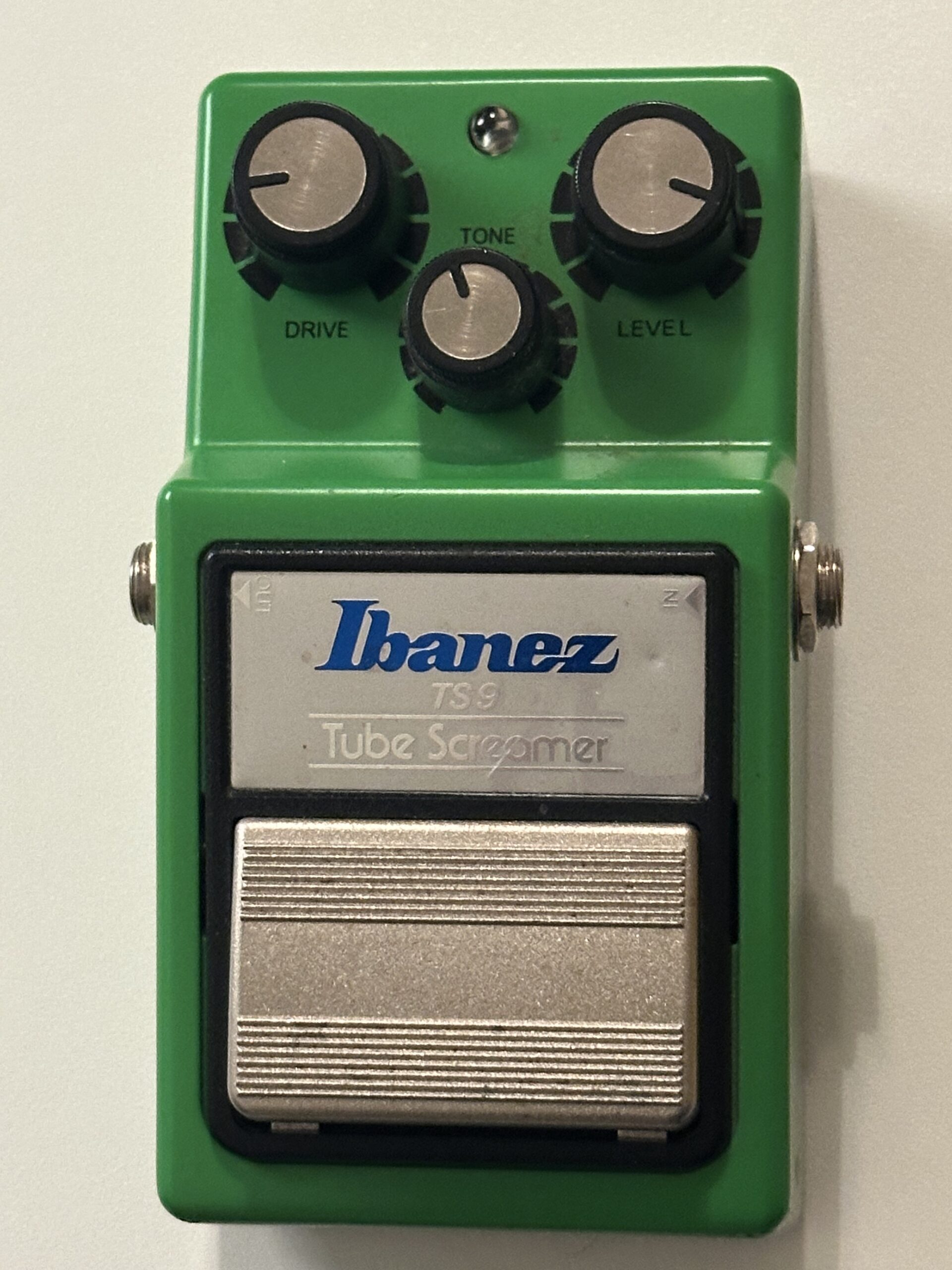
Overdrive rewards patience and control.
It’s powerful but honest.
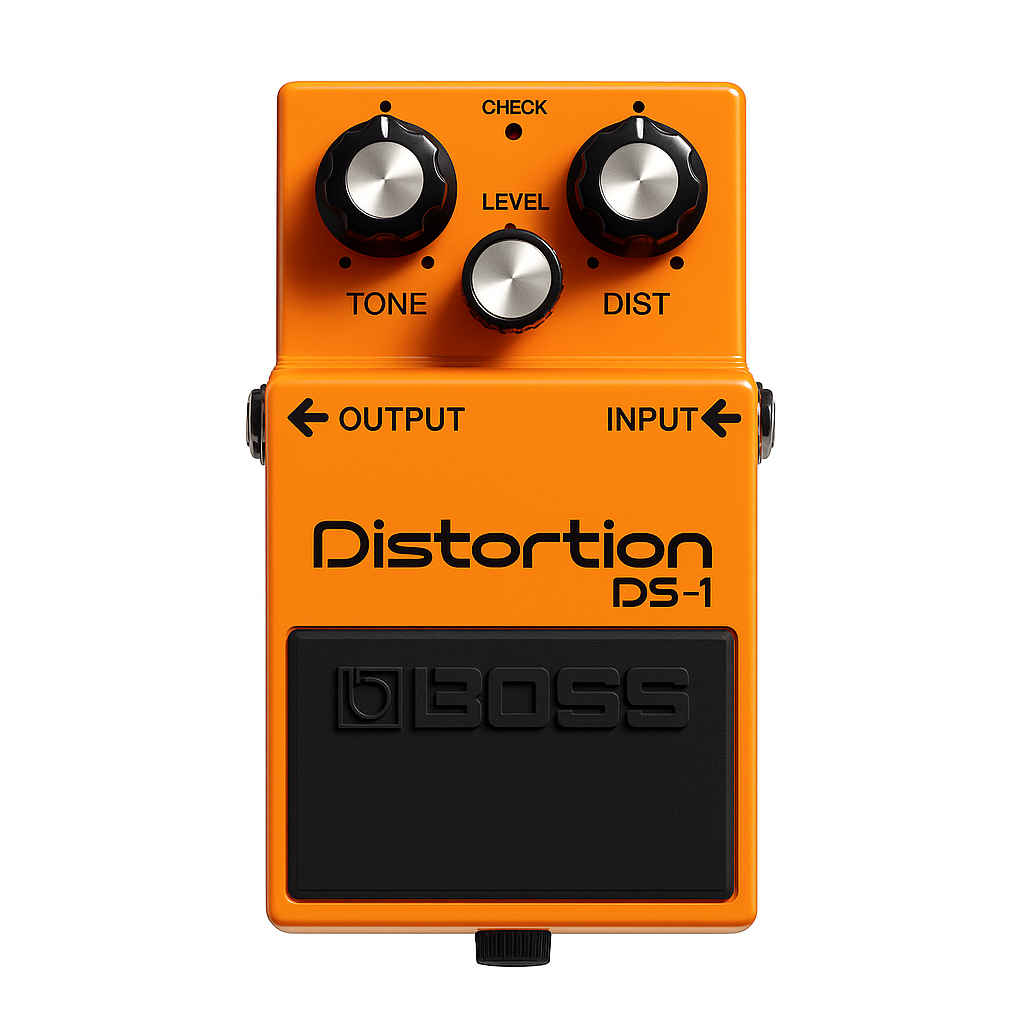
This is why distortion pedals are so often the “aha” moment for beginners.
If that sounds like you, check out our guide to the Best Distortion Pedals for Beginners. (It focuses on pedals that sound good without fighting you.)
“Overdrive pedals are for beginners. Distortion pedals are for advanced players.”
That’s a@@ backwards!
Overdrive exposes technique.
Distortion supports it.
Many legendary players learned on distortion first, then refined their touch later. There’s no badge of honor for struggling unnecessarily.
Music should pull you in, not push you away.
More gain doesn’t equal better tone. It equals noise and mud.
Beginner-friendly distortion pedals are voiced to stay clear.
Pedals don’t work alone. Start with your amp clean and neutral.
Distortion handles low volume better than overdrive, which is another win for home players.
If your tone feels bad, it’s usually the setup, not you.
Can You Use Both? (Yes—Eventually)
Absolutely.
Many players run both:
But stacking pedals makes more sense once you:
For now, start simple.
Your favorite bands matter but your current playing environment matters more.
So… Which Should You Buy First?
If you’re a beginner guitarist who:
⚡️Start with a distortion pedal⚡️
You’ll build confidence, enjoy practicing more, and actually want to plug in.
And when you’re ready for nuance later? Overdrive will still be there.
This isn’t about rules.
It’s about keeping the guitar fun.
The best pedal is the one that makes you want to play longer tonight and not the one that looks best on paper.
Next Step
If you’re leaning toward distortion, here’s a beginner-safe place to start: Best Distortion Pedals for Beginners
No hype. No fluff. Just pedals that work.
For most beginners, distortion is the better first choice. It’s easier to dial in, more forgiving, and helps you sound like the music you love right away, especially for rock and metal.
Not hide, but soften the rough edges. Distortion adds compression, which makes uneven picking and muting less noticeable. That’s helpful early on while your technique is still developing.
Absolutely. Many distortion pedals clean up well when you lower the gain. You’re not locked into heavy metal, classic rock tones are totally achievable with the right settings.
No. Start with one pedal. Most beginners get more enjoyment and confidence from distortion first. Overdrive makes more sense once you understand your tone and playing style.
Yes. Distortion pedals generally sound fuller and more consistent at low volume, while overdrive often needs a louder amp to really shine.
The pedals below are the ones I’ve been using for many years. Find the distortion/overdrive pedal that’s just right for you. ⬇️
I’ve been playing guitar 40 years now; writing, recording, and rocking in bands. Randy Rhoads, Warren DiMartini, and of course, Jimi Hendrix all lit the fire for me, and I’ve been chasing that passion ever since.


Stop "practicing" and start playing. Grab the daily blueprint I use to keep my fingers stage-ready in just 15 minutes.
Join 1,000+ guitarists mastering the fretboard. No spam, just tone.


