Most guitarists think they need a Gibson to get that sustain, but the Classic hides a specific wiring secret that makes it more versatile for half the price.
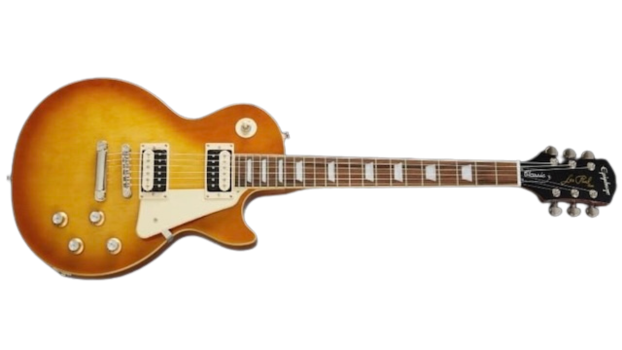
In this article, I’m sharing my HONEST Epiphone Les Paul Classic review for guitarists looking for a vintage tone and style at a price that doesn’t make your wallet disappear.
As always, my reviews are all about blending value and playability.
This isn’t just a rundown of features, I’m sharing what really jumped out to me once I started playing.
Let’s check it out!
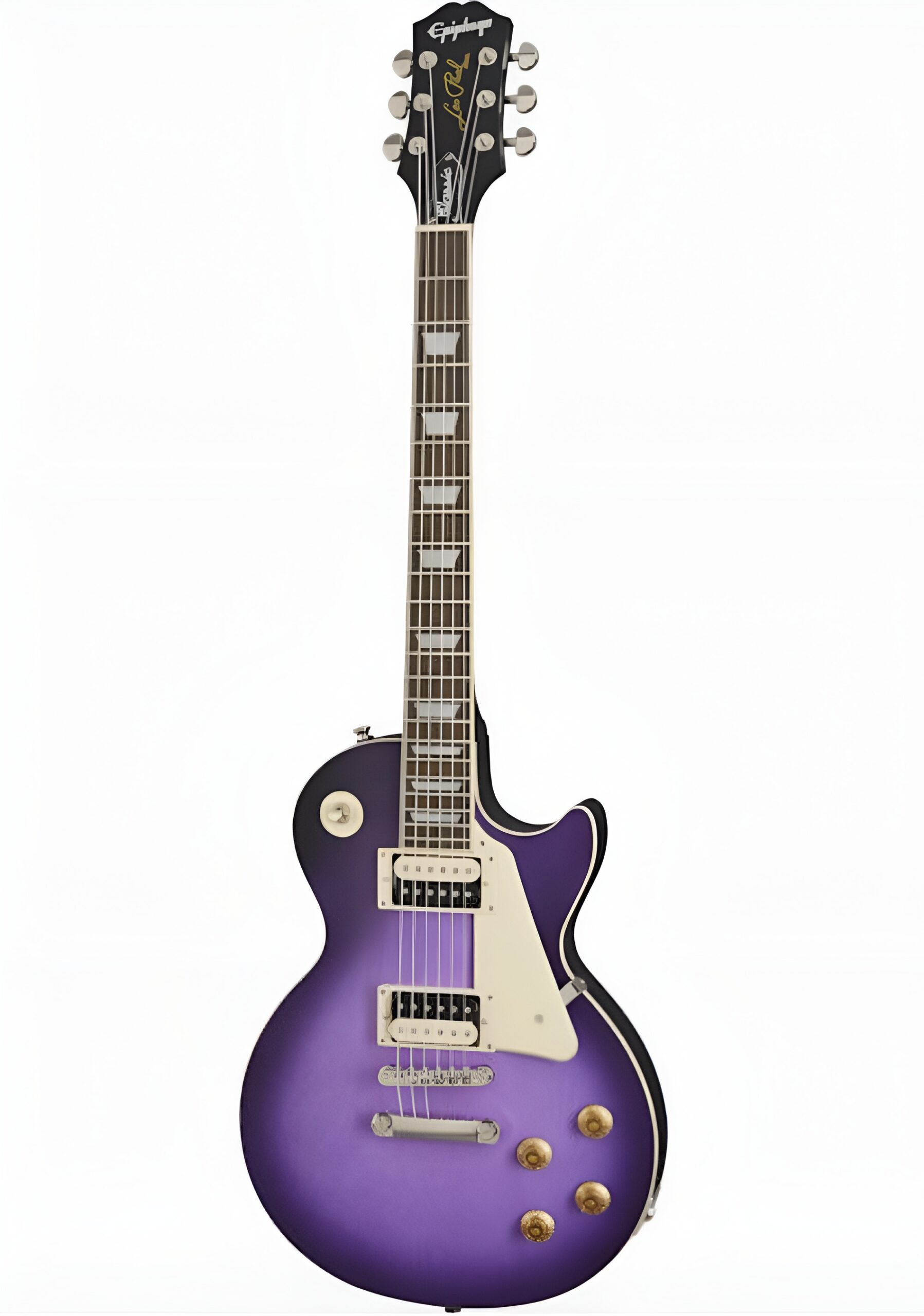
The Epiphone Les Paul Classic is a great choice if you want golden era Les Paul tones without spending a fortune. The snappy maple top and coil-splitting make it more versatile than a basic starter guitar. It is not the best pick if you need a super lightweight or ultra premium instrument, but for learning lead lines and nailing classic rock rhythms, it delivers.

The Epiphone Les Paul Classic is great if you’re aiming for those golden era Les Paul tones without spending a fortune.
Thanks to the snappy maple top and modern features like coil-splitting, it’s a lot more versatile than your basic starter guitar. If you want a super lightweight or ultra premium model, this may not be a good fit.
I’ve played dozens of Les Pauls over the years, from the budget-friendly to those locked in glass cases. I plugged the Epiphone Les Paul Classic into a Mesa Boogie and a Tube Screamer. BAM! Instant classic rock tone!
There’s a real punchy sustain and warmth, but I was floored by just how “lively” it felt, it’s not muddy at all, and the upper register is nice and clear.
So many beginners reach for flashier guitars, including me, but where a lot of entry level models disappoint after the honeymoon phase, the Epiphone Classic still feels motivating to pick up six months later.
Check out this Gibson Vs Epiphone review for a side-by-side comparison.
Out of the box:
Buy If:
Don’t Buy If:
Unplugged, this guitar has a lot of natural resonance for a solidbody. I could actually feel the body vibrate against my torso, a good sign. Plugged in, things get even better:
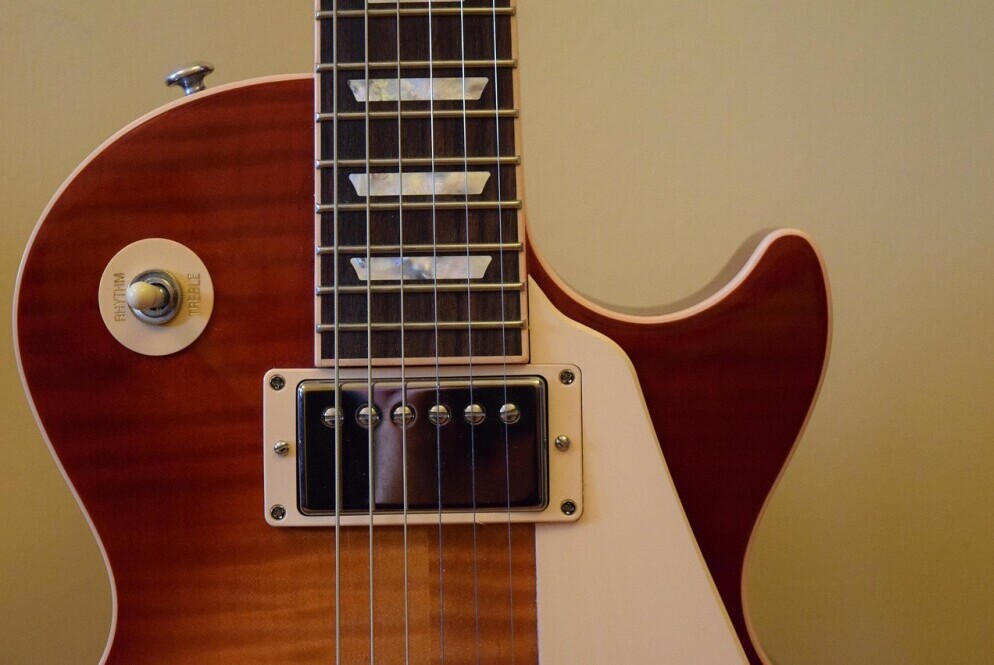
I was able to get pretty close to those Jimmy Page and Slash tones (no surprise for a Les Paul), but the coil-splitting really opened up some shimmering ‘80s pop sounds as well.
This guitar feels like it was made for playing, not just for looks. Here’s how it shakes out:
I ran through some classic Rolling Stone’s riffs and some trickier pentatonic runs. The setup didn’t slow me down at all, definitely a good pick if you’re chasing comfort while still learning.
For more help in developing your practice routine, check out the String Shock Rock Guitar Practice Schedule Generator(includes an interactive tool customized by you).
Epiphone really packed some cool features into this model, especially at this price:
For upgrades, I might swap in locking tuners and a bone nut if I was gigging regularly, but out of the box, it’s set up for most practice and jamming needs.
Clean: Super round and full, with a nice sparkle using coilsplit mode. Chords stay clear and never mushy, even with reverb or delay pedals in line.
Crunch: Punchy midrange is front and center, making it perfect for classic rock and blues. The pickups handle overdrive well, and single note lines bite.
High Gain: I pushed it into heavier territory (hard rock, heavy metal), and the pickups stayed dynamic. There’s a bit of hum in singlecoil mode, but nothing unexpected.
Sustain is long and focused, letting me nail those big soaring rock solos!
| Pros | Cons |
|---|---|
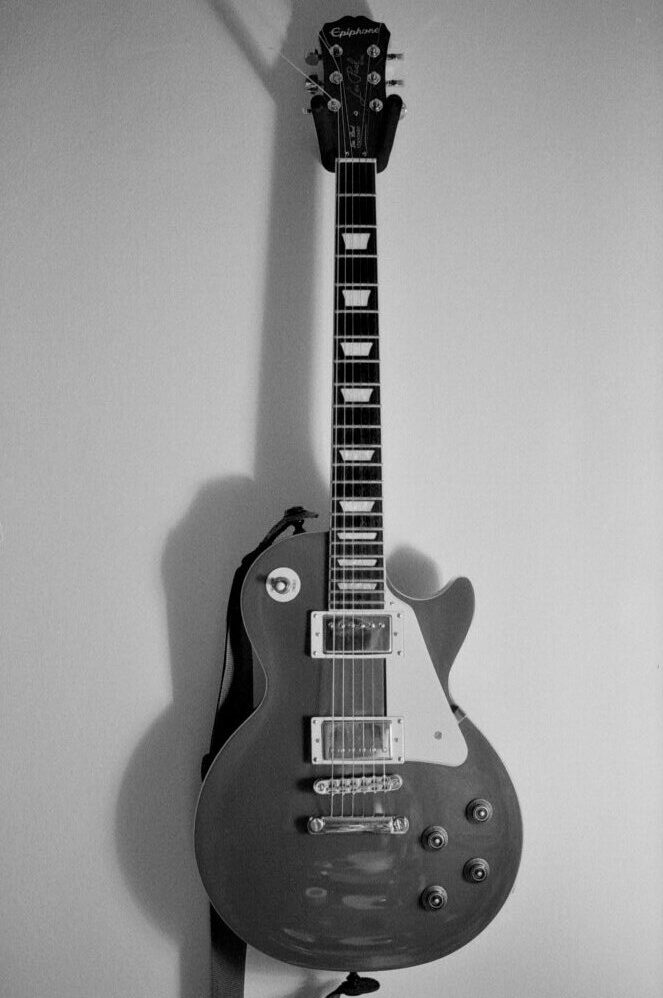
| ✅ Classic Les Paul looks without the giant price tag | ⚠️ A little on the heavy side, not ideal for kids or super long sessions |
| ✅ Flexible tones thanks to coil-splitting and phase switch | ⚠️ Stock tuners and nut are fine, but might upgrade if gigging a lot |
| ✅ Sturdy, vintage-inspired build and feel | ⚠️ Lack of belly/forearm contour may bother some players |
| ✅ Neck profile is comfortable for smaller hands too | ⚠️ Some may crave more premium electronics or fancier woods |
| ✅ Rock-solid tuning and intonation after basic setup |
Verdict at this price: For the price, you’re getting a guitar that can last for years of learning and jamming. It’s way more flexible than most budget electrics.
Get your very own Epiphone Les Paul Classic at the lowest price!↙️
Scoring Breakdown
| Review | Score |
|---|---|
| Comfort | 4.5/5 |
| Features | 4.8/5 |
| Value | 4.7/5 |
| String Shock Overall Rating | 4.7/5 |
At String Shock, all reviews are 100% independent.
I beg, borrow, and steal(just kidding) the gear myself. I spend hours playing, testing, and recording with it, like the Epiphone Les Paul Classic, and only recommend what I truly believe in.
I always say that I’m a music lover first, then a guitarist.
The guitar is how I express my deepest feelings, so I would never ever steer you wrong. That’s a promise.
I do my best to bring you the most accurate and up-to-date information so you can make the best choices for YOU.
Testing process includes:
Written and reviewed by Steve…aka String Shock Steve.
(I have over 40 years playing experience and I’m a lifelong rock enthusiast.)
| Feature | Specification |
|---|---|
| Body | Mahogany with carved maple top |
| Neck | Mahogany, SlimTaper D profile, set neck |
| Fingerboard | Indian laurel, 22 medium jumbo frets |
| Scale Length | 24.75″ |
| Pickups | Epiphone Alnico Classic PRO humbuckers (coil splitting + phase) |
| Controls | 2x volume, 2x tone (push-pull), 3-way toggle |
| Bridge | LockTone Tuneomatic with stopbar tailpiece |
| Finish | Gloss (multiple color options: Heritage Cherry Sunburst, Ebony, etc.) |
| Weight | 8 to 9 lbs (varies slightly per guitar) |
| Orientation | Right-handed |
Get this one in your hands ASAP through Amazon. Start jamming your favorite tunes!
Check out the String Shock Gear Zone for more gear reviews.
Yes. The Epiphone Les Paul Classic for beginners is a great fit if you want a serious first guitar. The SlimTaper neck is comfortable, the action is beginner friendly after a basic setup, and the tones stay inspiring as you move from simple chords to lead lines.
With a proper setup, it stays in tune very well. The LockTone bridge and decent stock tuners keep things stable through bends and practice sessions. Stretching new strings and setting intonation correctly will give you solid tuning for home playing and rehearsals.
It easily covers classic rock, hard rock, blues, and punk, and can handle lighter metal with the right amp or pedals. Thanks to coil splitting, it can also do cleaner indie, pop, and funk style parts, which makes it more versatile than many starter guitars.
Compared to the Epiphone Les Paul Studio, the Classic offers more vintage style and extra tonal options like coil splitting and phase, while still hitting a beginner friendly price. A Gibson Les Paul feels more premium overall, but this Epiphone Les Paul Classic electric guitar review shows you get a very similar look and core sound for a fraction of the cost.
Yes. It is simple to upgrade pickups, tuners, nut, and electronics on this model. That makes the Epiphone Les Paul Classic for beginners a smart choice if you want a guitar that can grow with you as you start gigging or recording.

I’ve been playing guitar 40 years now; writing, recording, and rocking in bands. Randy Rhoads, Warren DiMartini, and of course, Jimi Hendrix all lit the fire for me, and I’ve been chasing that passion ever since.


Stop "practicing" and start playing. Grab the daily blueprint I use to keep my fingers stage-ready in just 15 minutes.
Join 1,000+ guitarists mastering the fretboard. No spam, just tone.


