
Stop what you’re doing. Before you spend a single dollar on a Les Paul, you need to read this.
You have the $5,000 question hanging over your head: Is the Gibson headstock truly worth four times the price?
Every beginner wants that iconic look and tone. But your gut is screaming, “Don’t waste money on a name brand when the Epiphone looks the same!” This isn’t just a comparison; it’s an intervention to protect your wallet and your passion.
Gibson has the warmer, richer “iconic” Les Paul sound, better components, and stronger resale value, but it costs a lot more. Epiphone is the smart buy for most beginners and budget players because it gets you very close in tone and feel for a fraction of the price. If you want a “forever guitar” and can afford it, go Gibson. If you want value now (and the option to upgrade later), go Epiphone.
Back when I started, Epiphones weren’t nearly as good as they are today. I remember picking up an old bolt-on Epiphone Les Paul in the ‘90s and it felt like a toy compared to a Gibson. But fast forward to 2025? Epiphone has leveled up big time.
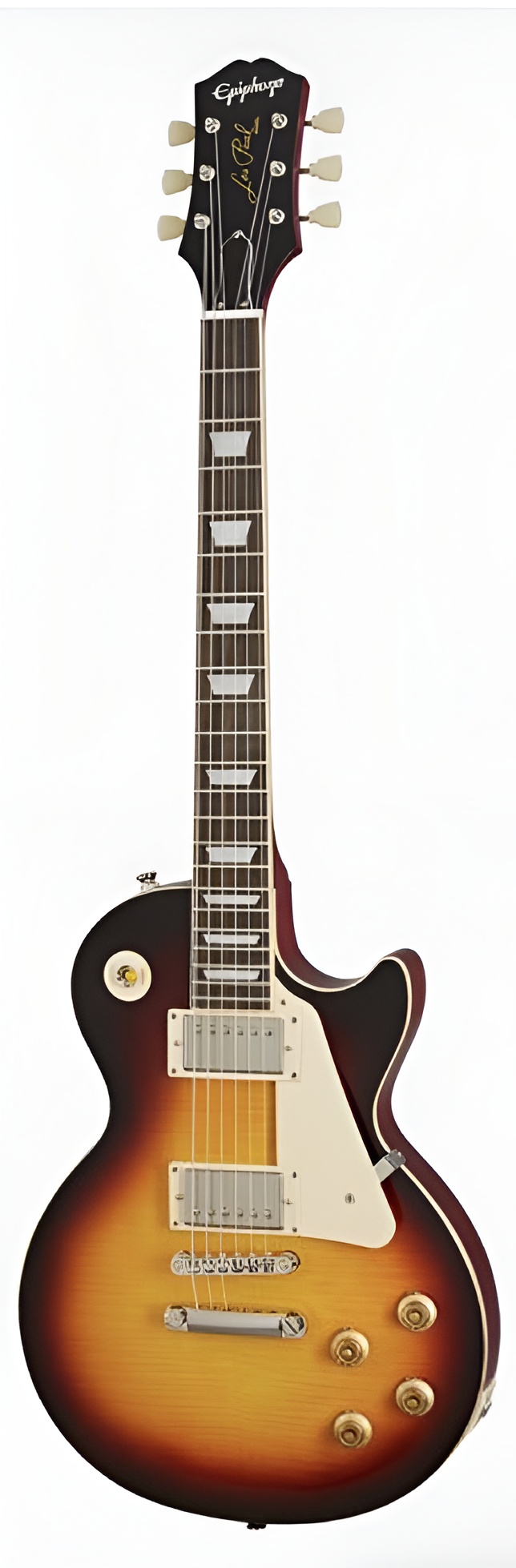
Last year, I bought an Epiphone Les Paul Standard 60s to test it out. I was stunned.
The ProBucker pickups had real bite, sustain was great, and it felt surprisingly close to the Gibson Les Paul Studio from back in 2008.
I also bought a used Epiphone SG from fb marketplace for $500 including an amp, strap, and guitar stand. Got the fretboard cleaned up and it was ready to rock!
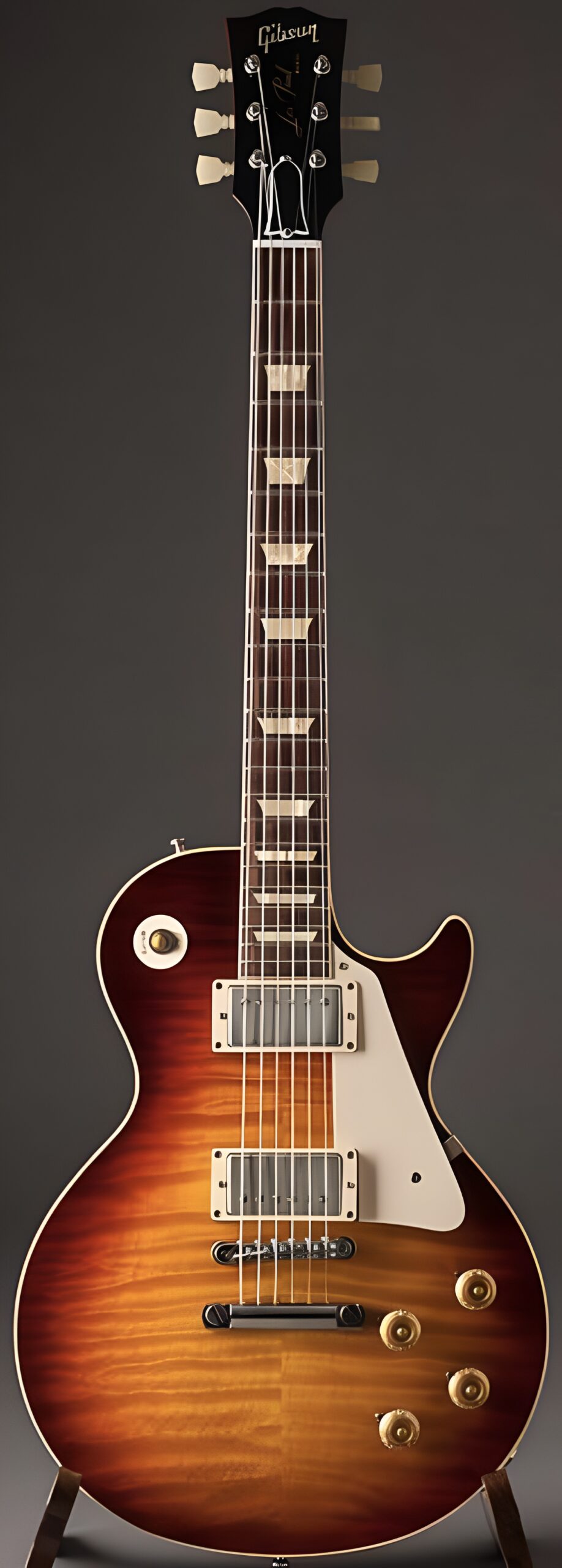
Gibson is well known for quality guitars, obviously! And let me tell you, IT’S TRUE!!
There’s just something about playing such an iconic brand that causes those hairy goosebumps to appear.
But, like most budding guitarists, we don’t have that kind of cash yet. I think if you’re ready to invest in a true one-of-a-kind Gibson, then by all means GO FOR IT!
The Gibson Les Paul won’t ever let you down when it comes to tone, style, and lasting quality.
🔑 While the Gibson is the gold standard, you can get 90% of the way there with the Classic model. I did a deep dive into the specific wiring that makes it happen in my Epiphone Les Paul Classic Review.
We, here at String Shock, did a blind A/B test through a Marshall DSL20 amp. The Gibson had more warmth and midrange punch; think classic Slash or Jimmy Page.
The Epiphone? Slightly brighter and less defined, but still impressive, especially with a little overdrive. So unless you’re recording platinum albums tomorrow, the tone difference isn’t a dealbreaker. Trust your ears and your wallet.
| Feature | Gibson Les Paul Studio | Epiphone Les Paul Standard |
| Price Range | $1,599 – $3,000 | $300 – $1,300 |
| Build | USA-made, mahogany/maple | Imported, similar wood combo |
| Pickups | Gibson 490R/498T humbuckers | Epiphone ProBuckers |
| Playability | Premium feel, silky fretwork | Solid and beginner-friendly |
| Tone | Warm, rich, iconic | Slightly brighter, less complex |
| Weight | Heavy! ~9 lbs | Slightly lighter |
| Best For | Serious beginners or lifers | Budget-conscious new players |
| Affiliate Link | View on Amazon | View on Amazon |
Read here for a reminder for the best way to hold a guitar pick.
– You’ve got the budget ($1,200+)
– You want to invest in a forever guitar
– You’re committed to playing long-term
– You love that Gibson feel and sound
– You’re on a budget
– You’re just starting out
– You want a guitar that’s easy to play and reliable
– You plan to upgrade later
Buy an Epiphone and swap out the pickups later.
Install some Seymour Duncan or Gibson pickups, maybe upgrade the pots and wiring, and boom, you’ve got a tone machine that rivals a $2,000 guitar… for a fraction of the price.
1. Epiphone Les Paul Standard 60s
Tip: Try the Iced Tea or Bourbon Burst finish; gorgeous in person.
2. Gibson Les Paul Studio
Tip: Consider used models from reputable sellers; they hold up great.
3. Epiphone Les Paul Special VE(Vintage Edition)
Tip: Add a distortion pedal like the Boss DS-1 and you’re ready to rock.
If you’re just starting out, the Epiphone Les Paul Standard 60s is hands-down the best mix of tone, quality, and affordability.
Save the Gibson for when you’ve got some miles under your belt—or if you already know you’re in it for the long haul.
Your Turn: Which One Would You Choose?
Have you tried both Gibson and Epiphone? Got a beginner story or guitar-shopping tale? Drop it in the comments below or share your questions, I personally reply to every message.
The real difference is price, country of build, and small details. Gibsons are made in the U.S. with nicer wood and fancier finishing touches. They have more “magic” in the way they feel and sound.
Epiphones are made overseas, cost way less, and are much friendlier to wallets. Both can rock hard; just do not expect the Epiphone to have quite the same “wow” factor if you have both in your hands, at least not for pro players.
Most beginners honestly will not hear a massive gap. Gibsons are warmer, punchier, and have a little extra “life” in the tone. Epiphones sound great (way better than decades ago) but might be a touch brighter or less rich. Unless you are an audio snob already, you will have a blast with either.
No. Actually, most beginners find it easier. Epiphones are a bit lighter and have slimmer necks, which make learning chords and simple solos less tiring on your hands and shoulders. If you are smaller or worried about heavy guitars, Epiphone wins for comfort.
No. Epiphone is owned by Gibson, so they are legit. Think of them like a little brother who wants to wear the same clothes. You do not get the same parts or the U.S. badge, but it is still official. They even have real Les Paul shapes and headstocks (now, anyway).
Most of the time, no. Unless you have a big budget or this is a “treat yourself” situation, it is better to start with an Epiphone. Use the rest of your money for lessons, a decent amp, or effects.
Gibsons are amazing, but buying one as a fresh beginner is like getting a custom surfboard before you know how to paddle.
Yes, one hundred percent, especially the Standard line. You might want to swap the pickups or tuners down the road, but out of the box, these guitars are ready for practice, small gigs, and even recording. Babies grow up fast; so do beginner players.
Les Pauls have a reputation for being chunkier. Gibsons are almost always heavier, sometimes close to 10 pounds. Epiphones are lighter by half to a full pound, and the weight is spread a bit better.
If you are worried, head to a local shop and try both on a strap. That tells you more than specs ever could.
Gibsons keep their value way better. Epiphones do not, but that is also because you paid much less in the first place. If you plan to trade up later, do not expect to get all your money back from an Epiphone. Consider it a solid learning investment.
Usually, no. Higher-end Epiphones might come with a gig bag, but most are sold with just cardboard boxes or, if you are lucky, a thin bag. Budget a bit extra if you want to protect your new guitar.
Yes. Pickups, tuners, bridges, and pots can all be swapped. Lots of people mod their Epiphone Les Pauls and take them to the next level. Some folks even hot-rod them so they outplay their more expensive cousins.
Want more gear reviews, guitar tips, and practice tricks delivered weekly?
**Sign up for the String Shock newsletter.**

I’ve been playing guitar 40 years now; writing, recording, and rocking in bands. Randy Rhoads, Warren DiMartini, and of course, Jimi Hendrix all lit the fire for me, and I’ve been chasing that passion ever since.


