
Rock music can be a challenging yet fun experience for you once you understand the basics.
Here’s a new guitar checklist for beginner’s learning rock music. It’s the ULTIMATE list you NEED to know so keep it simple.
There’s something healing about turning all that energy and attitude into sound, whether you’re perfecting a classic riff or composing something from scratch.
It’s like putting your soul into your strings and having it echo throughout the world…the world…world…world!
Let’s get into it shall we…
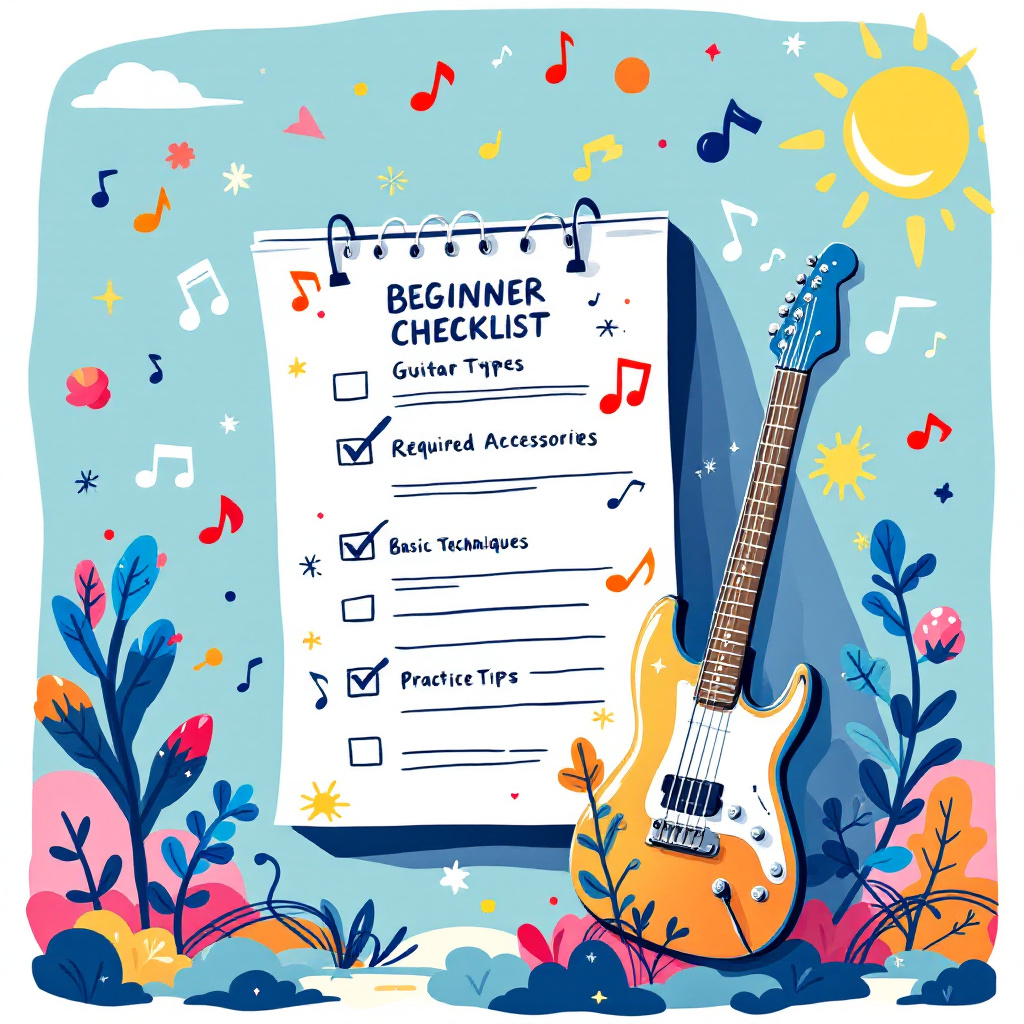
Getting started on guitar can feel overwhelming. However, the right setup will make things easier. Here’s your guide for setting up an electric guitar to ensure a smooth start:
Stick to this checklist, and you will create a strong foundation for your rock guitar journey. Are you ready to plug in and turn up the volume? Your guitar playing adventure awaits, and your strings are calling. Can you hear them?
As far as your brain, learning guitar sharpens your mind.
The benefits of playing guitar is that it helps you build focus, boost memory, and fine-tune your coordination. These skills are priceless for rock players, balancing fast solos with steady rhythms takes practice and precision.
Every time you tackle and master a tricky piece, your confidence gets a lift. It’s empowering to see yourself improve, knowing you can handle a challenge head-on.
Whether you’re at a jam session, joining a band, or attending group lessons, it opens doors to a world of fellow musicians.
These interactions make learning feel alive, turning solitary practice into shared experiences. Over time, these music connections could grow into collaborations or even lifelong friendships, all fueled by a love for rock.
Picture being on stage, guitar in hand, playing with a band. It’s more than music; it’s about connecting with others who share the same passion.
Whether they are cheering for your success or giving you advice, the rock community is full of people who will support you as you find your rhythm.
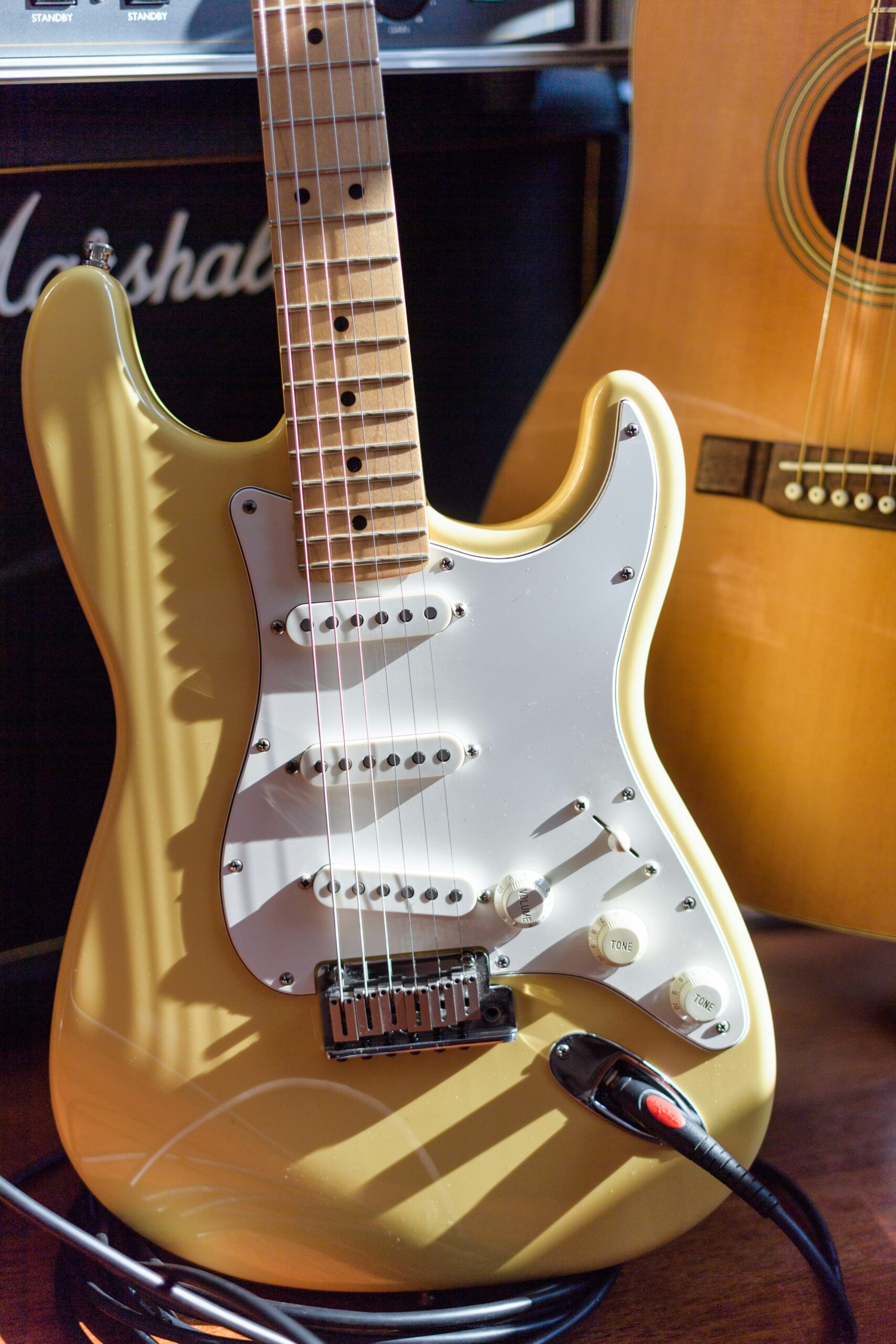
Choosing your first guitar is a big deal. It’s not just a tool, it’s an extension of how you want to sound.
If you’re starting out or upgrading, knowing what fits your goals is key. Let’s break it down for rock fans like us:
Also, ready my review on the insanely affordable Fender Squier Telecaster guitar.
Ultimately, the guitar you choose depends on the music you’re drawn to and how it feels in your hands. Spend time playing around with different types.
The right guitar will just click, becoming your go-to instrument on your rock journey.
Take a look at the String Shock Gear Zone to see in-depth gear reviews so you can make a solid choice.
After going through the guitar checklist above, I hope you’re excited to learn your instrument.
Music will be a life-long companion for the rest of your life. For the last 40+ years, the guitar has been my best friend and a huge part of my identity. Check out the full beginner roadmap to becoming a better rock guitarist.
Throughout my life, playing guitar has kept me in tune with the quiet, deep, and creative artist that I am. It has also kept me out of trouble, mostly, and has always been there for me, no matter what.
— Steve, String Shock
Playing guitar helps you express emotions, builds mental focus, and boosts confidence while offering a creative and social outlet.
It sharpens focus, enhances memory, improves coordination, and builds confidence as you tackle challenges.
Whether through jam sessions, bands, or group lessons, playing guitar connects you with fellow musicians and creates opportunities for collaboration or friendships.
Electric guitars are most common for rock, but steel-string acoustics and bass guitars are also great picks, depending on your style.
Consider the sound you want. Solid-body electrics work for gritty rock, while semi-hollow electrics offer warmth. Test different types to find one that feels right.
Essential guitar accessories include a guitar, tuner, picks, strap, extra strings, metronome, and a reliable guitar case.
Starting with proper posture and hand technique is crucial. It prevents problems later and improves finger dexterity for smooth chord and riff transitions.
Rock relies on steady rhythm. A metronome helps you master timing and lock in a consistent groove.
Rock relies on steady rhythm. A metronome helps you master timing and lock in a consistent groove. bass provides the grounding force and drives the song’s rhythm with thick, deep tones essential to rock.
Use a sturdy hard case for serious travel or a padded gig bag for basic protection from scratches and temperature changes.

I’ve been playing guitar 40 years now; writing, recording, and rocking in bands. Randy Rhoads, Warren DiMartini, and of course, Jimi Hendrix all lit the fire for me, and I’ve been chasing that passion ever since.


Stop "practicing" and start playing. Grab the daily blueprint I use to keep my fingers stage-ready in just 15 minutes.
Join 1,000+ guitarists mastering the fretboard. No spam, just tone.


Herman says:
This is a fantastic beginner-friendly guide for anyone diving into the world of rock guitar! I really appreciate how detailed and practical the checklist is—especially the emphasis on budget-friendly options and the importance of attitude in playing. I do have a question, though: when choosing a beginner guitar, how much should comfort versus sound quality influence the decision? Also, what’s your take on used gear—are there any specific things beginners should watch out for when buying secondhand? Would love to hear your thoughts! 🎸
Steve says:
For a beginner guitarist, I feel comfort should come first because learning the basics is the top priority over sound quality. After you progress, then upgrading to a more high quality guitar will make more sense.
Used gear is a great choice too. I would make sure to plug a used guitar into an amplifier and listen for any crackling noises, which might indicate rusty switches or pots. Make sure the neck is not warped as this will make the intonation off and might be a bad sign of a damaged trust rod. Of course, if you enjoy a DIY project, many of these can be repaired and/or improved.