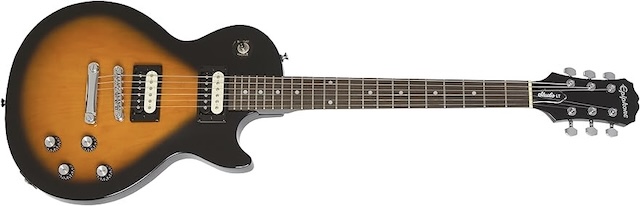
Most people look at a budget guitar like the Epiphone Les Paul Studio E1 and ask: ‘Is it cheap because it’s bad, or is it just a bargain?’
After 40+ years of playing, starting back when I was 15, I’ve seen plenty of ‘affordable’ guitars that were nothing more than expensive firewood. But I’ve also found a few diamonds in the rough that can actually hold their own on a stage.
I didn’t just unbox this E1, I took it to band practice and played it at local gigs to see if it could handle real-world pressure.
Here is the unfiltered truth about the tone, the feel, and whether this is the ‘inner rockstar’ starter kit you’ve been looking for, or a frustration waiting to happen.
Let’s plug in and dive right in!
⚡️If you’re still deciding, check out my guide to the best electric guitars for beginners to compare several great starter options and if you’re still on the fence about the brand, check out my full Squier vs. Epiphone comparison to see which DNA fits your style.
The Epiphone Les Paul Studio E1 is a budget-friendly Les Paul that hits classic tones for rock, metal, and blues without breaking the bank.
Great for: Beginners, hobbyists, and gigging guitarists looking for an affordable Les Paul-style guitar. Skip if: You need flawless out-of-the-box setup, ultra-stable tuning, or premium boutique components
Final Verdict: A solid, versatile, and comfortable Les Paul-style guitar that’s perfect for learning, jamming, and experimenting with upgrades.

⚡️Pro Tip: If you already own an E1 or plan on grabbing one, DON’T miss my Rockstar Setup Guide, it’s the exact “cheat sheet” I use to make this budget Les Paul play like a $1,000 guitar.
You don’t want a cheap guitar that buzzes like a mosquito or feels like a 2×4 do you?
The Epiphone Les Paul Studio E1 feels comfortable, sounds better than it should at this price, and plays well after a proper setup.
It’s lightweight for a Les Paul, the neck is comfortable, and the classic humbucker tone is absolutely there.
⚡️To see how I get a pro rock sound out of this Les Paul at 2 AM, check out my Quiet Guitar Setup guide.”
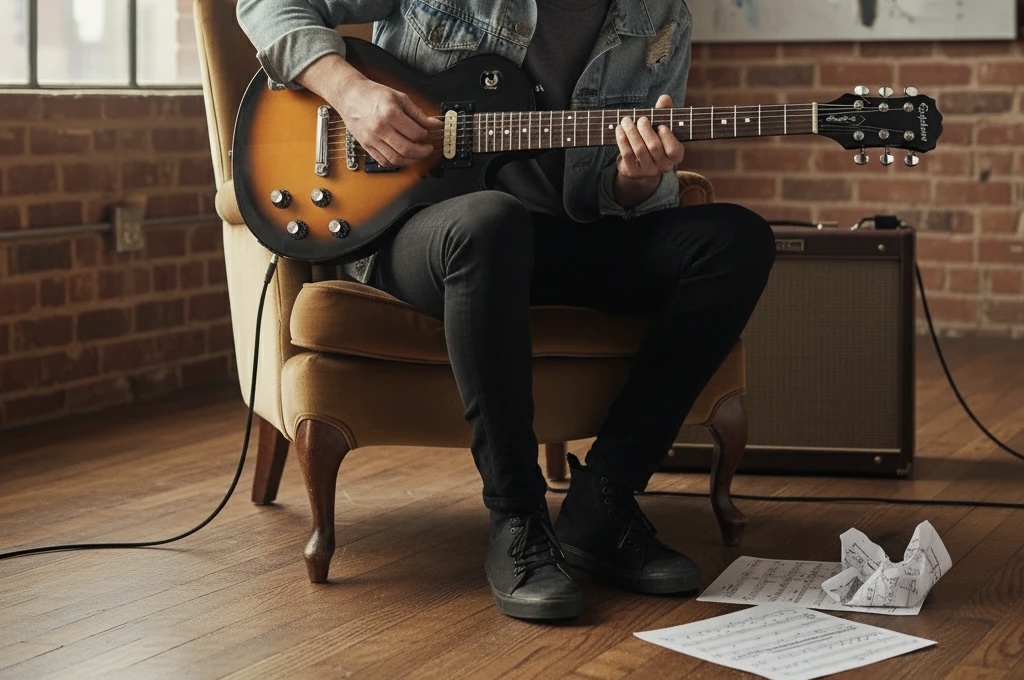
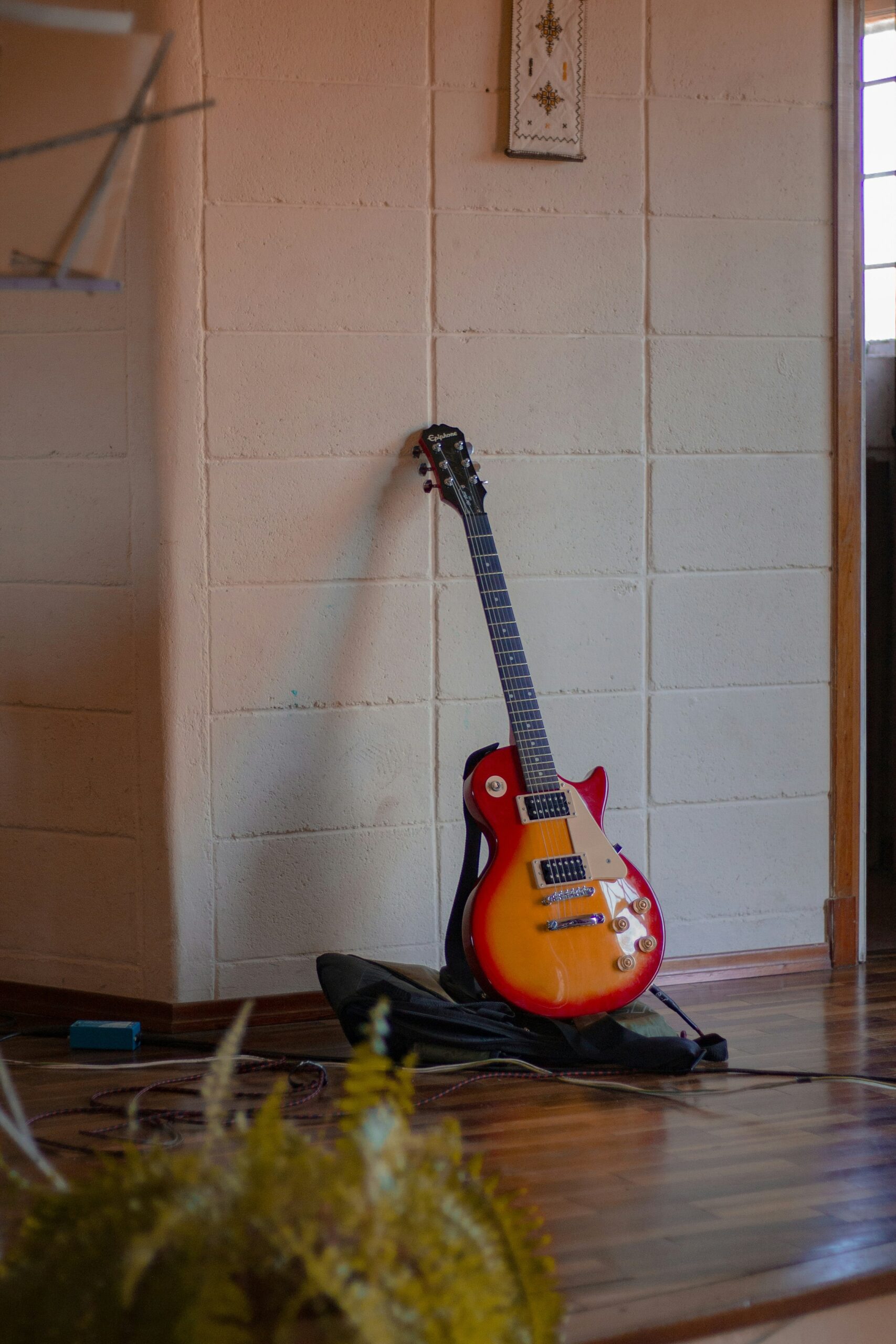
With its all-mahogany body, ceramic humbuckers, and slim-taper neck, you get a genuinely fun guitar that is as close as you can get to the real thing(minus the expensive price tag).
Note: Be ready to fix the setup issues because out of the box can be a bit rough.
Unplugged, the E1 has a nice mid-focused acoustic ring, always a good sign. Plugged in, the ceramic humbuckers deliver that familiar Les Paul growl.
Here’s what stood out:
This guitar lives in the worlds of rock, metal, blues, and even modern church tones if you dial in the right reverb/delay combo.
If you want strat-like sparkle? Not happening.
But if you want thick, sustaining, classic rock tones?
This guitar is made for it.
This is where the Studio E1 really shines for beginners.
The biggest win?
This guitar encourages you to keep playing. It doesn’t fight you.
I lost a solid hour noodling on blues licks and chugging out some early Metallica. It’s just fun.
The E1 is the king of the sub-$300 range. But if you have a bit more room in the budget and want to know where the ‘pro-level’ features actually begin, read my Epiphone Les Paul Classic Review. It’s the logical next step for any rocker looking to level up.
Let’s call it like it is:
This hardware is beginner tier, not pro tier.
If you like modding?
This guitar is a dream.
Swap tuners, swap pickups, new nut, new knobs, and suddenly you’ve got a beast on your hands.
Clean: Warm, balanced, a little dark but very usable. Perfect for blues, worship cleans, and mellow rock.
Crunch: This is the sweet spot. Classic rock riffs sound right at home.
High Gain: The bridge pickup handles it surprisingly well. It gets aggressive and tight without squealing, though you’ll want to mute cleanly.
Test it out with a versatile portable amp for under $300.
⚡️Get Your First ‘Quick Win’ Today. See My (Simply Guitar Review).
| Pros | Cons |
|---|---|
| ✅ Affordable: This is a very budget-friendly way to get a Les Paul-style guitar, making it ideal for beginners. | ⚠️ Requires setup: Many users report that the guitar comes with a high action and poor intonation out of the box, requiring a professional setup to play well. |
| ✅ Lightweight and comfortable: The body is slimmer and lighter than a standard Les Paul, making it comfortable for long playing sessions. | ⚠️ Tuning instability: This is a common complaint, particularly on lower-end Epiphone models, and can be frustrating for beginners. |
| ✅ Easy playability: The guitar has a slim taper neck and is often praised for its comfortable feel and access to higher frets. | ⚠️ Fret buzz: Some models may experience fret buzz even after a setup, which can negatively impact the playing experience. |
| ✅ Classic sound: It provides a good introduction to the classic Les Paul tone, thanks to the all-mahogany body and humbucker pickups. | ⚠️ Stock electronics and hardware: While decent, the stock pickups and hardware may not satisfy more experienced players and are often the first things to be upgraded. |
| ✅ Good modding platform: It’s a great guitar to learn on and to experiment with upgrades. | ⚠️ Finish issues: Some users have reported cosmetic issues, such as an inconsistent finish on the neck or minor flaws on the body. |
Don’t let high action and “factory buzz” kill your passion. Get my 5-step checklist to make your budget Les Paul play like a $2,000 legend.
At the time of this writing, the Epiphone Les Paul Studio E1 is priced around $269(new), but you can often find bargains on used equipment by searching places like Facebook Marketplace, EBay, etc.
This guitar is set at such a valued price for brand new, I would recommend starting out fresh. For an additional 30 bucks, you can add a 3-year protection warranty.
Get your Epiphone Les Paul Studio E1 for the lowest price!
“It’s not a “Gibson.” But for under $300, it delivers way more vibe and attitude than it has any right to.”For a closer look, check out my Gibson Vs Epiphone Les Paul review.
After 41 years of playing, I’ve learned that the ‘budget’ label is relative.
The Studio E1 is great for the price, but the Classic is where the hardware starts to feel like a lifetime instrument rather than a practice tool. You can see the side-by-side differences in my Epiphone Les Paul Classic Review.
Final Verdict: An Awesome Beginner Les PaulThe Epiphone Les Paul Studio E1 is one of the best sub-$300 guitars for beginners who want real rock tone, real comfort, and a real Les Paul feel to boot.
It needs setup work, yes, but once dialed in? This thing absolutely rocks.
It plays well, looks great, and gives beginners a solid foundation without stressing your wallet.
AND, it just looks really cool when staring into the mirror! C’mon, you can’t say you’ve never done that.
“Dude you are cool. The way you play. Why do you say you’re not cool? Well those days are over buddy. You could be the ugliest sad sack on the planet, but if you’re in a rocking band, you’re the cat’s pajamas. You’re the bee’s knees. – Dewey Finn, School of Rock
Scoring Breakdown
| Review | Score |
| Comfort | 5/5 |
| Features | 5/5 |
| Value | 5/5 |
| String Shock Overall Rating | 5 |
At String Shock, all reviews are 100% independent.
I beg, borrow, and steal(just kidding) the gear myself. I spend hours playing, testing, and recording with it, like the Epiphone Les Paul Studio, and only recommend what I truly believe in.
I always say that I’m a music lover first, then a guitarist.
The guitar is how I express my deepest feelings, so I would never ever steer you wrong. That’s a promise.
I do my best to bring you the most accurate and up-to-date information so you can make the best choices for YOU.
Testing process includes:
Written and reviewed by Steve…aka String Shock Steve.
(I have over 40 years playing experience and I’m a lifelong rock enthusiast.)
| Feature | Specifications |
|---|---|
| Body | Mahogany |
| Neck | Mahogany, SlimTaper 60s, bolt-on |
| Fingerboard | Rosewood |
| Frets | 22 Medium Jumbo |
| Scale | 24.75” |
| Pickups | 650R (neck), 700T (bridge) |
| Bridge | Tune-O-Matic with Stopbar |
| Controls | 2 Volume, 2 Tone, 3-way toggle |
| Orientation | Right-Handed |
| Finish | Gloss |
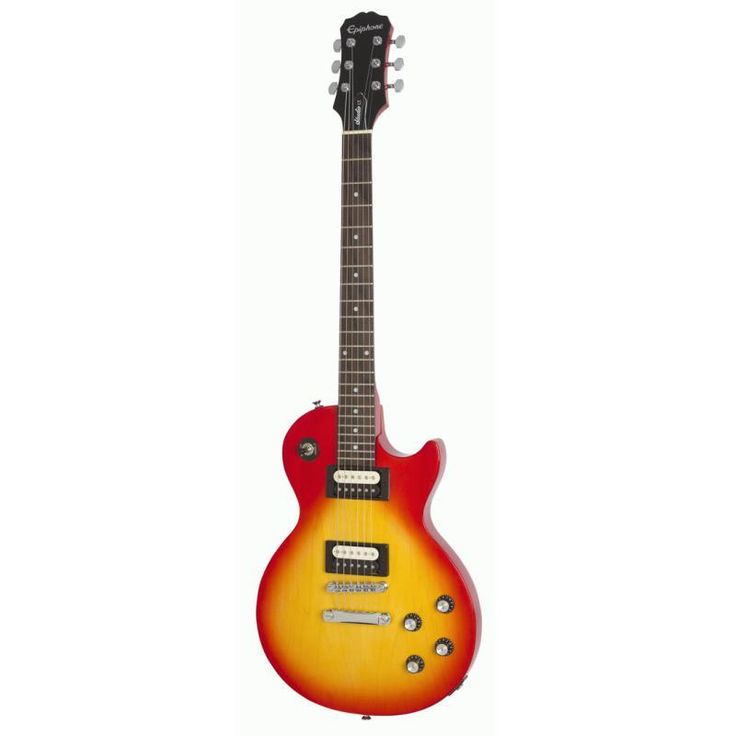
Done waiting and ready to crank up the Epiphone Les Paul Studio E1? You’ll be glad you did.
Yes. Once I get it properly set up, it becomes a very solid first guitar.
I like it most for rock, metal, blues, and even worship/church music.
With lighter playing, tuning stability is fine. If I start doing big bends or play hard, it can slip a bit.
To my ears, the Epiphone Les Paul Studio has a thicker, fuller tone and better sustain, but the tuning is a little less stable.
Yes, especially if I upgrade the tuners and get a good setup done.

I’ve been playing guitar 40 years now; writing, recording, and rocking in bands. Randy Rhoads, Warren DiMartini, and of course, Jimi Hendrix all lit the fire for me, and I’ve been chasing that passion ever since.


Stop "practicing" and start playing. Grab the daily blueprint I use to keep my fingers stage-ready in just 15 minutes.
Join 1,000+ guitarists mastering the fretboard. No spam, just tone.


