Yamaha Pacifica 112V Review: Still the Best First Rock Guitar in 2026?
Transparency: After 40 years of playing, gigging, and chasing tone, I know what it’s like to pick up a guitar that fights your hands. I don’t care about regurgitating spec sheets. My reviews are NOT sponsored, so I can keep it real for you. This is my unfiltered, veteran take on whether the Yamaha Pacifica PAC112V is right for whatever style of rock you’re playing.
After 40+ years of playing guitar, I’ve learned that a beginner doesn’t need an expensive guitar to get a great playing experience.
What matters is whether the instrument feels comfortable, stays reasonably in tune, sounds good, and gives you enough versatility to keep growing.
The Yamaha Pacifica PAC112V checks those boxes remarkably well.
I tested the PAC112V through my Mesa/Boogie F-100 and with a Tube Screamer, putting its clean, crunch, and higher-gain tones through their paces.
I also paid close attention to the neck feel, playability, tuning stability, tremolo, and overall build quality.
So, is the Yamaha Pacifica 112V good for beginners? Yes. It’s one of the strongest choices in its price range for a new guitarist who wants a versatile electric guitar they won’t immediately outgrow.
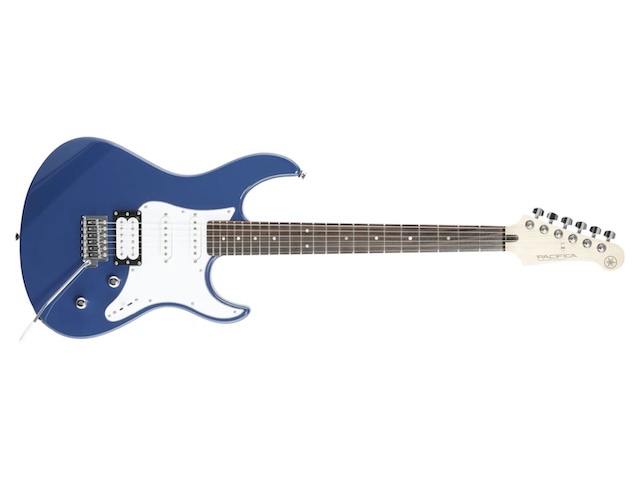
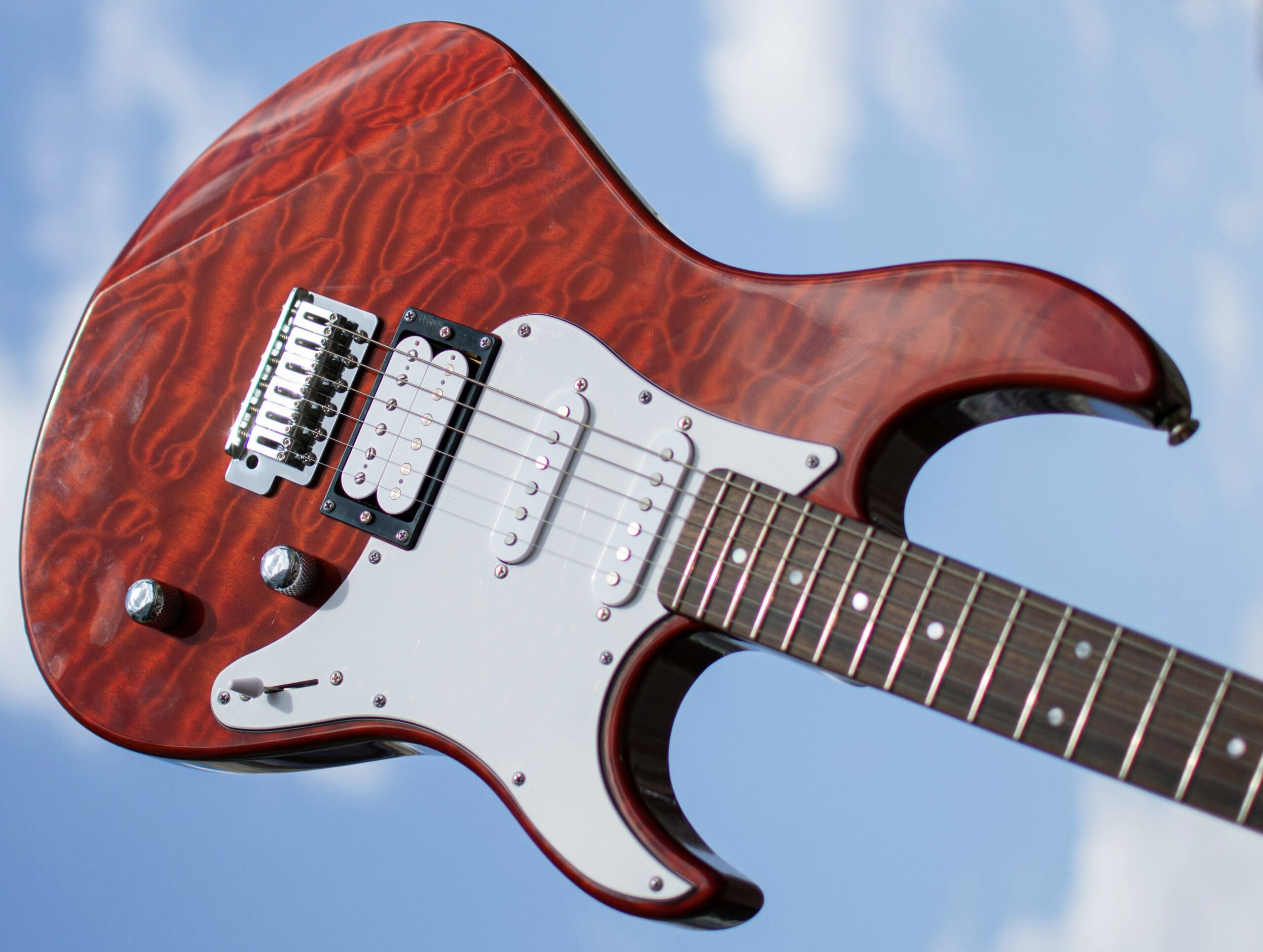
The HSS pickup configuration gives you a bridge humbucker for thicker rock tones plus two single-coil pickups for cleaner, brighter sounds.
The push-pull coil-split adds another tonal option, making the PAC112V useful for rock, blues, pop, funk, and plenty of other styles.
Yamaha currently lists the PAC112V with an alder body, maple neck, rosewood fingerboard, Alnico V pickups, 5-way switching, and a vintage-style vibrato with block saddles.
⚡️FREE: The 15-Minute Rock Momentum Routine
Stop “practicing” and start playing. Grab the daily blueprint I use to keep my fingers stage-ready in just 15 minutes.

Build Your Total Rock Rig
Should You Buy the Yamaha Pacifica PAC112V?
Have you ever picked up a cheap guitar and instantly felt like chucking it into the fire pit? Buzzing frets, harsh tones, and sharp fret edges are such a buzzkill.
The Pacifica 112V starter guitar feels smooth, well-built, and offers out of the box performance that’s ready to jam straight out of the box.
Yamaha nailed the balance between comfort, tone, and affordability here. From the first chord, you can tell it’s built for real playing, not just decoration.
⚡️I also included this guitar in my guide to the best beginner electric guitars available today.
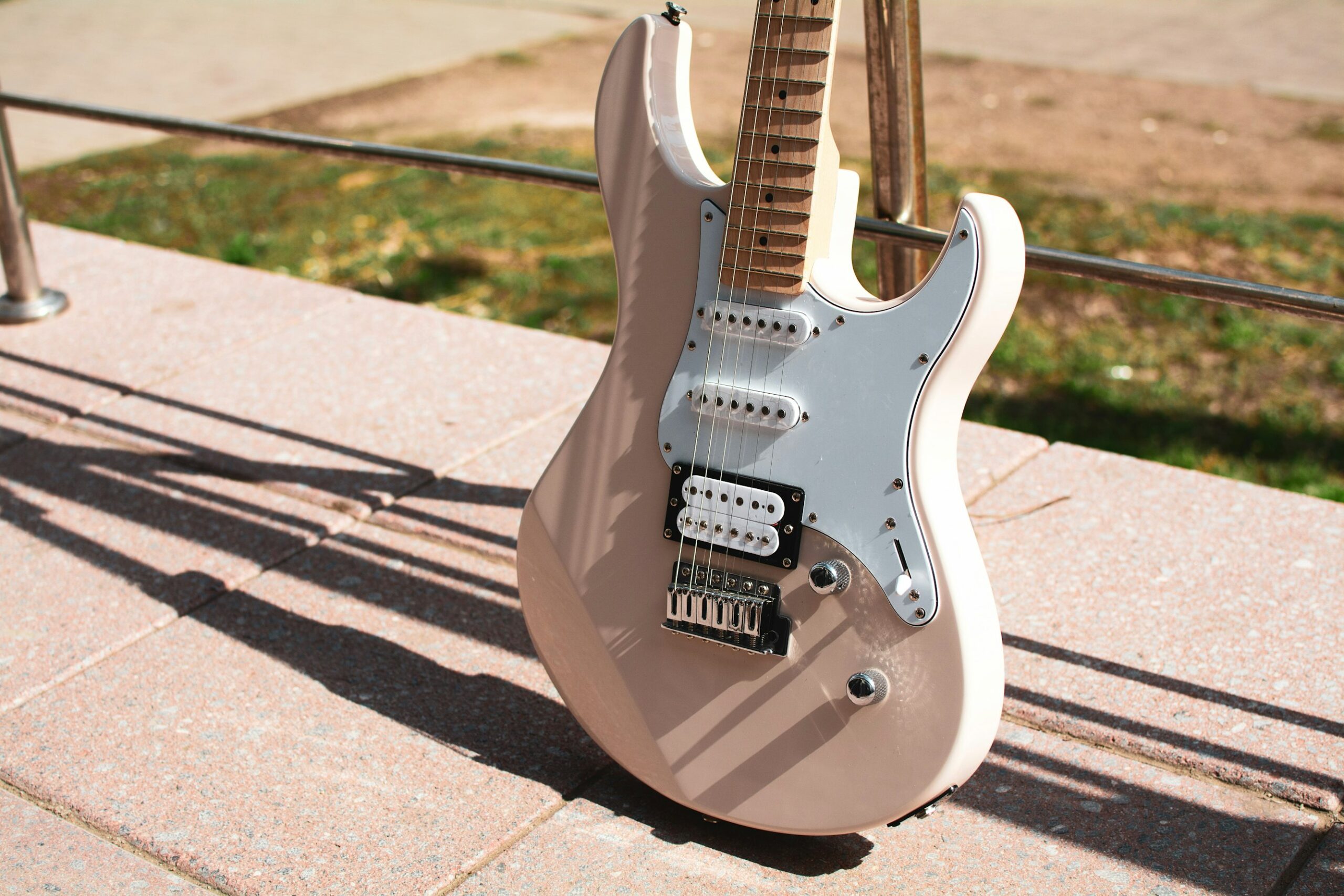
It features a solid alder body, a tonewood that’s often reserved for pricier guitars. This is paired with a comfortable C-shaped maple neck and a rosewood fingerboard.
Everything feels balanced. The neck sits comfortably in your hand, and the gloss polyurethane finish gives it that classic shine without feeling sticky.
Even better? Yamaha’s quality control. The fretwork is clean, and the bolt-on joint is tight. This isn’t your typical “budget friendly guitar.” It feels like something that should cost double.
Buy if:
- You’re a beginner looking for your first serious electric guitar.
- You want one guitar that can cover rock, blues, pop, and funk.
- You value comfortable playability and versatility.
- You want a guitar you can continue playing as your skills improve.
- You like the idea of an HSS setup with a coil-split humbucker.
Don’t Buy if:
- You specifically want a traditional Strat-style single-coil sound.
- You plan to use the tremolo aggressively.
- You want premium hardware and electronics straight out of the box.
- You’re an experienced player looking for a higher-end instrument with more specialized features.
Got the guitar sorted? Next up: making those pentatonic notes sound human.
Here, I’ll let Elmo Karjalainen demo this guitar for you. Check it out!
Yamaha Pacifica 112V Tone & Versatility: In the Room
First, I always like to test a guitar unplugged first. You can tell a lot about the feel of the neck and how the strings resonate before you start pushing a ton of wattage behind it.
Next, when you plug it in, you’ll immediately notice the wide range of sounds it can produce.
Thanks to the HSS pickup configuration, a humbucker at the bridge and two Alnico V single-coils, you can go from thick, crunchy rock tones to glassy cleans with ease.
- Bridge Humbucker (split mode): Delivers bite and grit perfect for hard rock or lead tones.
- Middle/Neck Single-Coils: Sweet, dynamic, and perfect for blues and funk rhythm parts.
- Coil-split switch: A coil split doesn’t literally turn the humbucker into a purpose-built single-coil pickup. It disables one coil, producing a single-coil-style sound.
⚡️While the Pacifica is a versatility master, if you want to see how it stacks up against a dedicated shred machine, check out my Yamaha Pacifica 112V vs. Ibanez GIO GRG220PA1 head-to-head comparison.
Whether you’re chasing Santana’s smooth sustain, Hendrix’s rock voodoo, or Mayer’s clean pop tones, the PAC112V gets you there without needing a pedalboard full of gear.
You can read more in-depth info on humbuckers vs single coil pickups here.
Yamaha Pacifica 112V Comfort & Playability: Neck Profile and Weight
The PAC112V has that “just right” feel that makes it addictive to play. The C-shaped neck and 13.75” radius hit the sweet spot, fast enough for solos, forgiving enough for chords.
At about 7 pounds, it’s light but not flimsy. Beginners won’t get fatigued, and seasoned players won’t feel like they’re missing anything.
Yamaha really thought about playability here with smooth fret edges, medium frets, and a responsive tremolo bar that behaves (mostly) well. I wouldn’t try any earth shattering Eddie Van Halen dive bombs with this one.
I found myself jamming for an hour longer than I meant to. It’s that easy to lose track of time with this guitar.
Yamaha PAC112V Hardware & Pickups: Budget, but Gig-Ready
Here’s where you see Yamaha’s smart balancing act between price and performance.
- Bridge: Vintage style tremolo with block saddles – classic feel, light action.
- Tuners: Yamaha’s sealed tuners do the job, though a locking set would be a nice upgrade among other needed upgrades.
- Controls: 1 volume, 1 tone (with push/pull coil-split), and a 5-way blade switch.
It’s straightforward and familiar. While the stock components are “budget-tier,” they’re reliable enough to gig with. If you ever want to mod, this guitar’s a perfect platform.
Yamaha Pacifica 112V vs. 012: Why the 112V is Worth the Extra Cash
A lot of players get tempted to save fifty bucks and grab the entry-level Pacifica 012, but that’s a rookie mistake.
The 012 uses an Agathis or Nato body with cheaper ceramic pickups that sound harsh and brittle under gain.
The PAC112V upgrades you to a solid Alder body, genuine Alnico V magnets that deliver warm, articulate sustain, and a push-pull coil tap on the tone knob. That extra pocket change buys you an instrument that feels and sounds like a stage-ready workhorse rather than a toy.
Pacifica 112V Sound Test: Clean, Crunch & High Gain Performance
- Clean: Bright, glassy, and articulate – excellent for funk, pop rhythm parts, and some of those eerie grunge tones.
- Crunch: Great bite and midrange punch without any pedals. Perfect for classic rock riffs. Add in a little Tube Screamer on top and you’re ready to take it next-level!
- High Gain: The bridge humbucker handles distortion surprisingly well, keeping notes clear even under heavy gain. No unwanted high pitched feedback squealing.
| Pros | Cons |
|---|---|
| ✅ High-quality build (solid alder body, smooth maple neck) | ⚠️ Stock nut and tuners are basic (upgrades improve tuning) |
| ✅ Versatile tones for rock, blues, funk, pop | ⚠️ Coil-split sound isn’t as crisp as a true single-coil |
| ✅ Comfortable playability for beginners | ⚠️ Tremolo can drift if you dive-bomb too hard |
| ✅ Great value for money | ⚠️ Tone knob fully off = muddy “woman tone” |
| ✅ Reliable tuning stability for light trem use |
Yamaha Pacifica Series PAC112V Price
At the time of this writing, the Yamaha Pacifica PAC112V is priced around $350(new) at Yamaha, Sweetwater, and Amazon. You can also find them used at around $275.
Start off right with a brand new one today!
Order Here:
”This won’t replace a $2000 Les Paul, but for the price, it punches way above its weight.”
For another “budget friendly” option, check out my PRS SE Studio review.
Final Verdict: The Gold Standard for Beginners
The Yamaha Pacifica PAC112V has earned its legendary status for a reason. It doesn’t just play great, it inspires you to play more.
For beginners chasing tone, comfort, and versatility, it’s the kind of guitar that keeps you growing without needing an upgrade right away.
It’s not just a starter guitar, it’s a long-term musical partner that’ll never let you down.
| Review | Score |
|---|---|
| Comfort | 5/5 |
| Features | 4.5/5 |
| Value | 5/5 |
| String Shock Overall Rating | 5/5 |
How We Tested and Our Methodology
At String Shock, all reviews are 100% independent.
I beg, borrow, and steal(just kidding) the gear myself. I spend hours playing, testing, and recording with it, like the PAC112V, and only recommend what I truly believe in.
I always say that I’m a music lover first, then a guitarist.
The guitar is how I express my deepest feelings, so I would never ever steer you wrong. That’s a promise.
I do my best to bring you the most accurate and up-to-date information so you can make the best choices for YOU.
Testing process includes:
- Clean and high-gain tone tests
- Comfort and durability over time
- Price-to-value analysis
Written and reviewed by Steve…aka String Shock Steve.
(I have over 40 years playing experience and I’m a lifelong rock enthusiast.)
Yamaha Pacifica 112V Specs
| Feature | Yamaha Pacifica PAC112V |
|---|---|
| Body | Alder |
| Neck | Maple, bolt-on |
| Fingerboard | Rosewood |
| Fingerboard Radius | 13-3/4″ (350 mm) |
| Frets | 22, medium |
| Scale Length | 25-1/2″ (648 mm) |
| Neck Pickup | Alnico V single-coil |
| Middle Pickup | Alnico V single-coil |
| Bridge Pickup | Alnico V humbucker |
| Pickup Configuration | HSS |
| Pickup Selector | 5-position |
| Controls | Master Volume, Master Tone |
| Coil Split | Push-pull on tone control |
| Bridge | Vintage-style tremolo with block saddles |
| Tuners | Die-cast |
| Nut | Urea |
| Body Finish | Gloss polyurethane |
These specifications are based on Yamaha’s current PAC112V product information.
One important note: The PAC112VM is the maple-fingerboard version of the PAC112V. If you’re shopping specifically for the PAC112V reviewed here, make sure you’re comparing the correct model.
Are you done waiting and want to get your hands on the Pacifica 112V?
FAQs: Yamaha Pacifica PAC112V
Frequently Asked Questions
1. Is the Yamaha Pacifica PAC112V good for beginners?
Absolutely. The PAC112V is one of the best beginner electric guitars out there. Its smooth neck, light weight, and versatile tone make learning easier and more fun, without fighting bad fretwork or harsh sound.
2. What styles of music is the PAC112V best for?
It shines in rock, blues, funk, and pop. The HSS pickup setup covers clean tones, crunchy rhythms, and high-gain leads with ease. This makes it a flexible choice for any genre short of extreme metal.
3. Does the Yamaha PAC112V stay in tune?
Yes, under normal playing conditions, it stays in tune quite well. Heavy tremolo use can cause slight drift, but a proper setup or upgraded tuners can easily fix that.
4. How does it compare to a Squier Stratocaster?
The PAC112V often feels sturdier, with slightly better tuning stability and a more modern tonal range. Squiers may have a more “authentic” single-coil sparkle, but Yamaha wins on versatility and long-term value.
5. Can you gig or record with the PAC112V?
Totally. While it is a beginner-friendly guitar, its tone and reliability make it studio and stage-worthy. Add a few hardware upgrades later, and it will easily handle live performances or home recording.