
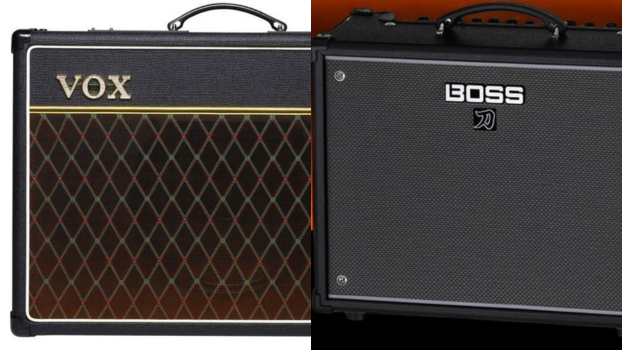
Transparency: After 40 years of playing, gigging, and chasing tone, I know what it’s like to pick up a guitar that fights your hands. I don’t care about regurgitating spec sheets. My reviews are NOT sponsored, so I can keep it real for you. This is my unfiltered, veteran take on whether Tube Amps or Modeling Amps are right for whatever style of rock you’re playing.
If you want to learn how a guitar really works, start with a Tube Amp. There’s a secret “handshake” between your fingers and a vacuum tube that teaches you dynamics.
It will also teach you how to control your grit and volume without touching a single pedal.
It makes you a more expressive player faster.
However, if you live in an apartment or want to explore every genre from Jazz to Djent without spending $5,000 on pedals, a Modeling Amp is the superior tool.
Models like the Boss Katana Gen 3 have a “Pushed” setting that replicates that tube sag well enough that most beginners won’t know the difference.
Feel is the Deciding Factor: Tube amps offer a physical, touch-sensitive “sag” that modeling amps strive to mimic. If you prioritize the tactile connection with your guitar, tubes are the winner.
Modeling is the Practical King: For apartment players, late-night practice, and home recording, modeling amps are superior due to power scaling and built-in USB-C connectivity.
Versatility vs. Specialization: A modeling amp is a “Swiss Army Knife” with hundreds of sounds; a tube amp is a specialized tool that does one or two sounds perfectly.
Maintenance Reality: Tube amps require periodic tube replacements and biasing; modeling amps are digital and virtually maintenance-free.
2026 Technology Gap: The audible difference between high-end modeling and real tubes has narrowed to the point where they are often indistinguishable in a recorded mix.

⚡️Picking the right amp is vital, but it’s only one half of the equation. Make sure you check out my updated list of the best electric guitars for beginners to ensure your gear isn’t holding your progress back.
| Category | Winner |
|---|---|
| Best Overall Feel | Tube Amps |
| Best for Total Beginners | Modeling Amps |
| Best for Serious Purists | Tube Amps |
| Best Value & Versatility | Modeling Amps |
| Best if You Hate Maintenance | Modeling Amps |
| Best Long-Term “Mojo” | Tube Amps |
While modeling technology is incredible in 2026, Tube Amps still win on pure “feel” because of the physical way vacuum tubes compress and react to your picking. However, for most beginners, a high-quality Modeling Amp provides a more practical, versatile, and affordable start to their journey.
| Feature | Tube Amps | Modeling Amps |
| Circuit Type | Analog Vacuum Tubes | Digital Signal Processing (DSP) |
| Best For | Dynamic Expression & Pure Tone | Versatility, Practice & Effects |
| Tone | Warm, Harmonic, and Thick | Transparent & Highly Versatile |
| Feel | Interactive “Sag” and Compression | Immediate & Consistent Response |
| Ease of Use | Simple (Plug and Play) | Menu-Based (Deep Editing) |
| Maintenance | Requires Periodic Tube Changes | Maintenance Free |
| Weight | Typically Heavy (Transformers) | Lightweight & Portable |
| Value | Long-Term Investment | High Feature-to-Dollar Ratio |
| Spec | Tube Amps (Entry Level) | Modeling Amps (Entry Level) |
| Price Range | $400 – $800 | $150 – $400 |
| Power Output | 1W – 15W (Loud for Home) | 10W – 50W (Scalable) |
| Onboard Effects | Often None (Reverb only) | 60+ Built-in FX Models |
| Headphone Jack | Rare (Requires Load Box) | Standard Feature |
| Connectivity | Speaker Out / Line Out | USB-C, Aux-In, Bluetooth |
| Best Use | Studio, Small Gigs, Purist Practice | Bedroom Practice, Home Recording |
Choosing between these two isn’t about which one is “better” in a lab, it’s about which one matches your current lifestyle and your long-term goals as a rockstar.
The brain often defaults to the “tube amp” because that’s what our heroes used.
But remember, success is a foregone conclusion when you have the right tools for your environment.
If a tube amp is too loud to play, you won’t practice. If you don’t practice, you don’t grow. For the modern beginner, a modeling amp often removes the friction that keeps you from picking up the guitar.
Choosing your first amp shouldn’t feel like a chore. Based on my 40+ years on the fretboard, I’ve narrowed down the best into two clear paths:
Whether you’re practicing in a quiet apartment or a loud garage, these are the high-quality, budget-friendly tools that will help you unleash your inner rockstar without the technical overwhelm.
⚡️ Pro Tip: Both of these technologies excel at low-volume playing. If you’re building a silent practice rig, don’t miss my guide on the best quiet electric guitars for midnight shredding without the noise complaints.
| Model | The Veteran’s Take |
|---|---|
| The Modeling Heavyweights (Versatility & Value) | |
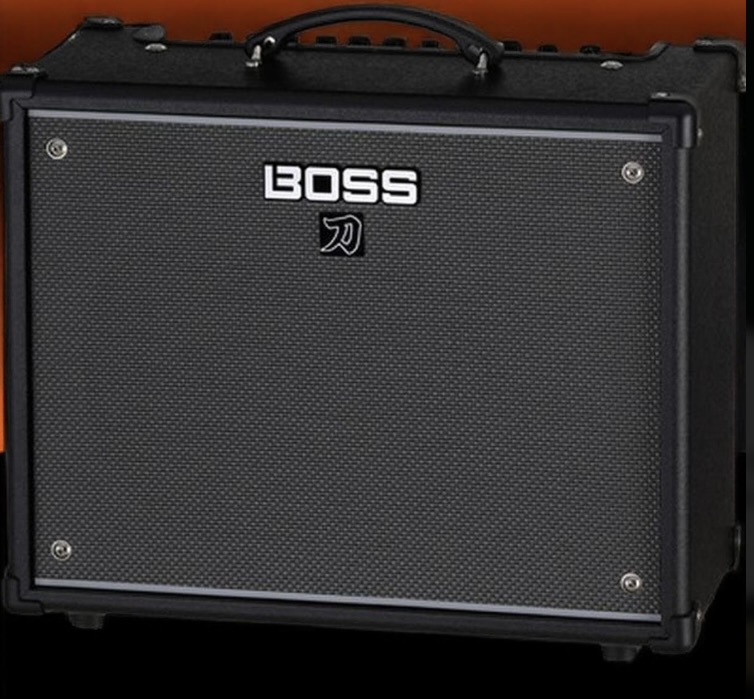
| Boss Katana-50 Gen 3 | The undisputed best all-around choice. Massive effect selection and tones that grow with your skill. |
| Fender Mustang LT25 | Super simple to use. 30 presets that take the “scary” out of digital menus. |
| Positive Grid Spark 2 | The “smart” choice. Incredible app integration and 43 effects for the tech-savvy player. |
| The Tube Purists (Authentic Tone & Feel) | Blackstar HT-1R Mk III | Genuine tube experience for well under $500. Designed for tone over volume. |
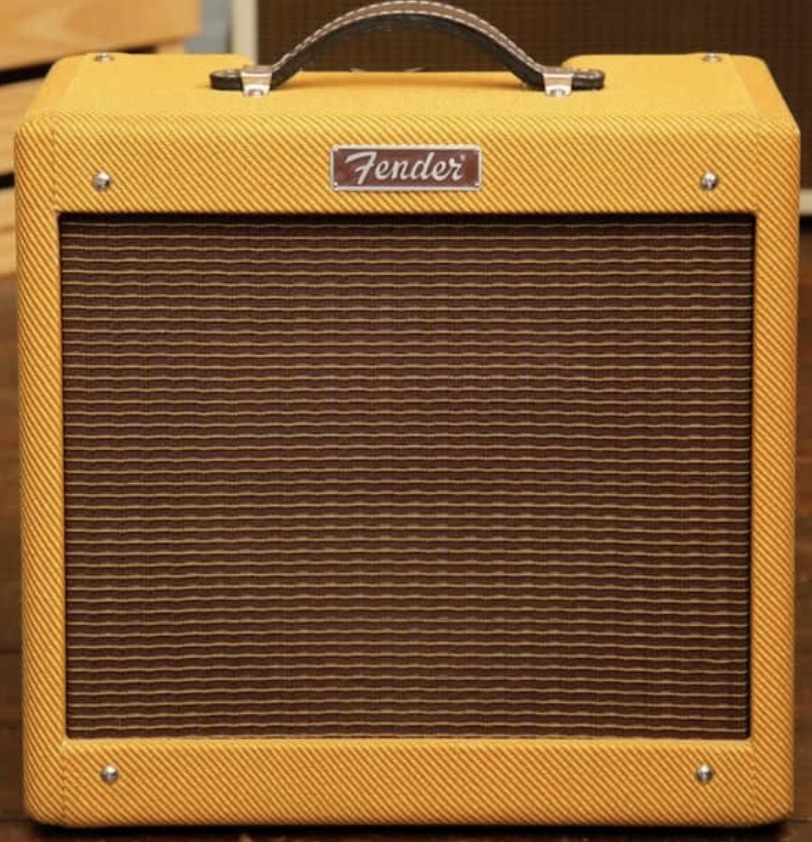
| Fender Pro Junior IV SE | Straightforward and no-nonsense. Touch-sensitive and highly responsive to your playing. |
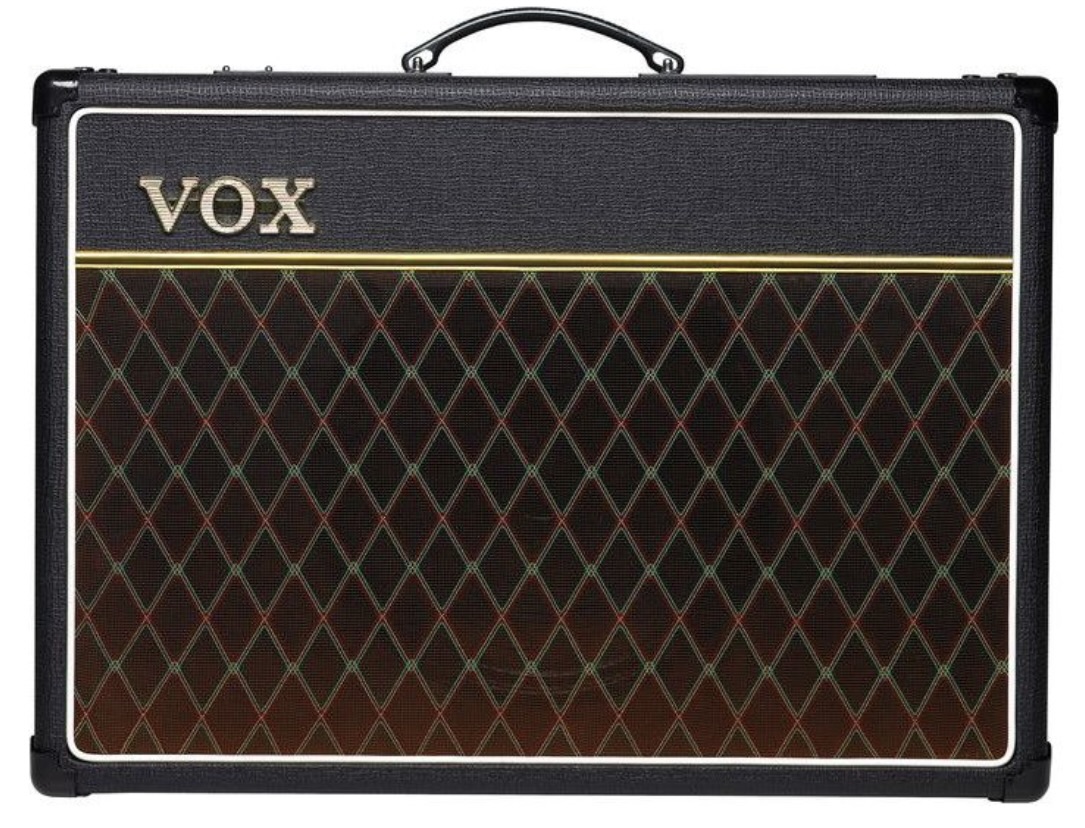
| Vox AC15C1 | The “step up” choice for vintage British chime. A classic beginner-to-pro investment. |


| Amp Model | New (Amazon) | Pre-Owned (Reverb) |
|---|---|---|
| Modeling Amps (The Versatility Kings) | ||
| Boss Katana-50 Gen 3 | Check Price | See Deals |
| Fender Mustang LT50 | Check Price | See Deals |
| Positive Grid Spark 2 | Check Price | See Deals |
| Tube Amps (The Purist’s Path) | ||
| Blackstar HT-1R Mk III | Check Price | See Deals |
| Fender Pro Junior IV | Check Price | See Deals |
| Vox AC15C | Check Price | See Deals |
Note: Fender Pro Junior IV SE model not available currently.
| Tube Amps | Modeling Amps |
|---|---|
Pros:
|
Pros:
|
Cons:
|
Cons:
|
If you’re pairing your new amp with a classic rock machine, my Epiphone Les Paul Studio E1 review explains why that specific guitar/amp combo is a beginner’s dream for thick, saturated tones.
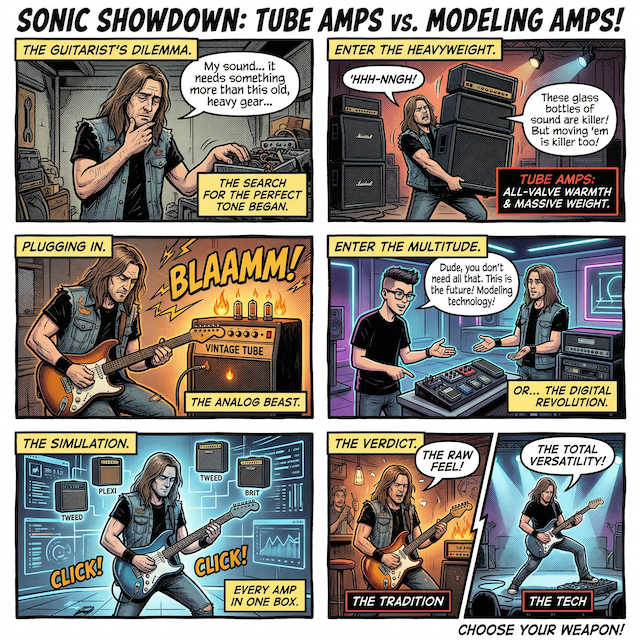
After 40 years of feeling the air move through tube speakers and seeing the incredible evolution of digital DSP in 2026, the answer comes down to your environment and your intent.
If you’re a purist who craves the physical connection of an amp that “breathes” with your picking hand, and you have the space to let it roar, the Tube Amp is your soulmate. In my humble opinion, a tube amp is what I choose to feel better connected with the music I play.
It is a piece of history that forces you to become a more dynamic player because it hides nothing.
However, if you are a modern player who needs a “Swiss Army Knife” for apartment practice, late-night recording, and exploring every genre of rock without breaking the bank, the Modeling Amp is the winning formula.
The “digital” stigma is dead. These are professional tools that remove every obstacle between you and your practice time.
⚡️The String Shock Recommendation: Start with a high-quality modeler to find “your” sound. Once you know exactly which classic tone moves your soul, then invest in the “forever” tube amp that specializes in that specific magic.
| Category | Tube Amps | Modeling Amps |
| Tone Authenticity | 10/10 | 9/10 |
| Versatility | 4/10 | 10/10 |
| Value for Money | 6/10 | 10/10 |
| Ease of Use | 10/10 | 7/10 |
| Reliability | 7/10 | 10/10 |
| OVERALL SCORE | 7.4 / 10 | 9.2 / 10 |
I don’t just read the manuals. I put every piece of gear through a “Real World” gauntlet. For this Tube vs. Modeling comparison, my testing focused on:
It depends on your goal. Modeling amps are usually better for beginners because they offer more sounds for the money and allow for silent practice. However, tube amps are better for learning “touch” and dynamics.
In 2026, the answer is a resounding yes. While the “feel” in the room is slightly different, modern DSP (Digital Signal Processing) captures the tone of classic tube amps with incredible accuracy.
Tube amps require heavy transformers and glass vacuum tubes to operate. Modeling amps use lightweight microchips and digital components, making them much easier to transport.
It’s difficult. Most tube amps need to be turned up to sound their best. Unless the amp has a built-in “power soak” or attenuator, a modeling amp is a better choice for low-volume playing.
Yes. Well-maintained tube amps are often considered “investment pieces” and hold their resale value for decades. Modeling amps, like most digital tech, tend to depreciate as newer versions are released.

I’ve been playing guitar 40 years now; writing, recording, and rocking in bands. Randy Rhoads, Warren DiMartini, and of course, Jimi Hendrix all lit the fire for me, and I’ve been chasing that passion ever since.


