
Tube Amps vs. Modeling Amps: Which Is Better for Beginners in 2026?
Transparency: After 40 years of playing, gigging, and chasing tone, I know what it’s like to pick up a guitar that fights your hands. I don’t care about regurgitating spec sheets. My reviews are NOT sponsored, so I can keep it real for you. This is my unfiltered, veteran take on whether Tube Amps or Modeling Amps are right for whatever style of rock you’re playing.
If you want to learn how a guitar really works, start with a Tube Amp. There’s a secret “handshake” between your fingers and a vacuum tube that teaches you dynamics.
It will also teach you how to control your grit and volume without touching a single pedal.
It makes you a more expressive player faster.
However, if you live in an apartment or want to explore every genre from Jazz to Djent without spending $5,000 on pedals, a Modeling Amp is the superior tool.
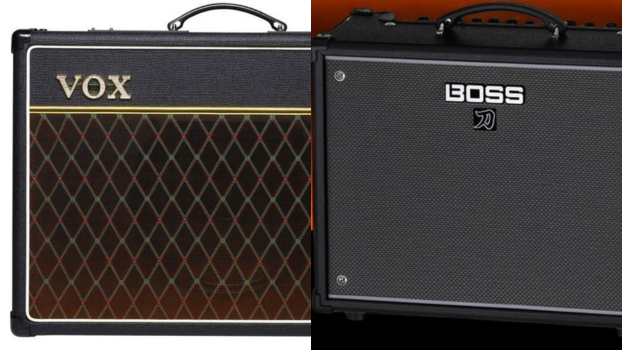
Models like the Boss Katana Gen 3 have a “Pushed” setting that replicates that tube sag well enough that most beginners won’t know the difference.
Key Takeaways
-
Feel is the Deciding Factor: Tube amps offer a physical, touch-sensitive “sag” that modeling amps strive to mimic. If you prioritize the tactile connection with your guitar, tubes are the winner.
-
Modeling is the Practical King: For apartment players, late-night practice, and home recording, modeling amps are superior due to power scaling and built-in USB-C connectivity.
-
Versatility vs. Specialization: A modeling amp is a “Swiss Army Knife” with hundreds of sounds; a tube amp is a specialized tool that does one or two sounds perfectly.
-
Maintenance Reality: Tube amps require periodic tube replacements and biasing; modeling amps are digital and virtually maintenance-free.
-
2026 Technology Gap: The audible difference between high-end modeling and real tubes has narrowed to the point where they are often indistinguishable in a recorded mix.

Build Your Total Rock Rig
Top Recommendations for Beginners
- For a Tube Combo Amp: Blackstar HT-1R Mk III – an ultra-compact, 1-watt tube combo amplifier featuring a custom 8-inch speaker, dual-channel versatility with four unique voices, and advanced CabRig IR-based speaker simulation with USB-C connectivity for professional recording at bedroom-friendly volumes.
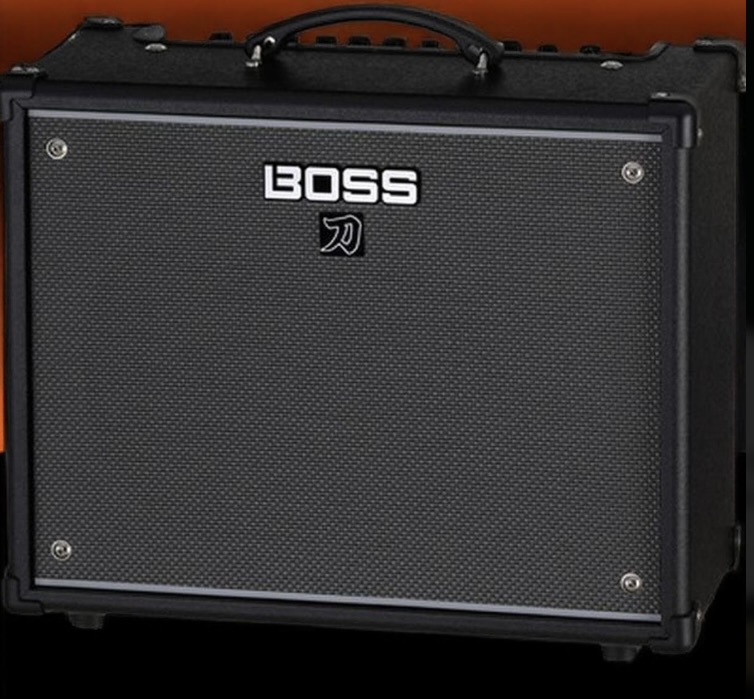
- For Ultimate Versatility: Boss Katana 50 Gen 3 – The gold standard of modeling. It uses AIRD technology to mimic how a tube power amp interacts with a speaker.
- For the “Plug & Play” Techie: Fender Mustang LT25 – Incredibly lightweight with a simple screen that takes the “scary” out of digital menus.
⚡️Picking the right amp is vital, but it’s only one half of the equation. Make sure you check out my updated list of the best electric guitars for beginners to ensure your gear isn’t holding your progress back.
Quick Verdict: Which Amp Tech Wins the Beginner Battle?
| Category | Winner |
|---|---|
| Best Overall Feel | Tube Amps |
| Best for Total Beginners | Modeling Amps |
| Best for Serious Purists | Tube Amps |
| Best Value & Versatility | Modeling Amps |
| Best if You Hate Maintenance | Modeling Amps |
| Best Long-Term “Mojo” | Tube Amps |
While modeling technology is incredible in 2026, Tube Amps still win on pure “feel” because of the physical way vacuum tubes compress and react to your picking. However, for most beginners, a high-quality Modeling Amp provides a more practical, versatile, and affordable start to their journey.
Comparison Table: Head-to-Head: Tone, Tech, and True Potential
| Feature | Tube Amps | Modeling Amps |
| Circuit Type | Analog Vacuum Tubes | Digital Signal Processing (DSP) |
| Best For | Dynamic Expression & Pure Tone | Versatility, Practice & Effects |
| Tone | Warm, Harmonic, and Thick | Transparent & Highly Versatile |
| Feel | Interactive “Sag” and Compression | Immediate & Consistent Response |
| Ease of Use | Simple (Plug and Play) | Menu-Based (Deep Editing) |
| Maintenance | Requires Periodic Tube Changes | Maintenance Free |
| Weight | Typically Heavy (Transformers) | Lightweight & Portable |
| Value | Long-Term Investment | High Feature-to-Dollar Ratio |
The Spec Sheet: Beyond the Marketing Fluff
| Spec | Tube Amps (Entry Level) | Modeling Amps (Entry Level) |
| Price Range | $400 – $800 | $150 – $400 |
| Power Output | 1W – 15W (Loud for Home) | 10W – 50W (Scalable) |
| Onboard Effects | Often None (Reverb only) | 60+ Built-in FX Models |
| Headphone Jack | Rare (Requires Load Box) | Standard Feature |
| Connectivity | Speaker Out / Line Out | USB-C, Aux-In, Bluetooth |
| Best Use | Studio, Small Gigs, Purist Practice | Bedroom Practice, Home Recording |
Should You Buy a Tube Amp or a Modeling Amp?
Choosing between these two isn’t about which one is “better” in a lab, it’s about which one matches your current lifestyle and your long-term goals as a rockstar.
Buy a Tube Amp If:
- You Value the “Secret Handshake”: You want an amp that breathes with you. Tube amps have a physical “sag” and compression that reacts to how hard you pick. If you want to master the art of touch and dynamics, nothing teaches it better than a real glowing tube.
- You Want a “Forever” Instrument: Well-built tube amps are like mechanical watches, they can be repaired for decades. They hold their value and become part of your identity as a player.
- You Have the Space to Be Loud: Even a 1-watt tube amp is surprisingly loud. If you have a dedicated practice space where you can “push” the amp into its sweet spot, you’ll experience a harmonic richness that digital still struggles to fully replicate in the room.
Buy a Modeling Amp If:
- Versatility is Your Priority: You want to play everything from sparkling clean blues to face-melting metal without buying $2,000 worth of pedals. Modeling amps like the Boss Katana Gen 3 give you an entire warehouse of gear in one box. Read my Boss Katana 50 vs Fender Mustang LT50 Review for more info.
- You Live in the Real World: If you’re practicing in an apartment or at 11:00 PM, modeling is the king. You get the same “cranked” tone at a whisper volume or through headphones, something a traditional tube amp simply cannot do without expensive extra gear.
- You Want a Seamless Recording Setup: Most 2026 modelers come with USB-C outputs. You can plug directly into your computer and get a professional, album-ready sound without ever needing to worry about microphone placement or room acoustics.
The Reality Shift
The brain often defaults to the “tube amp” because that’s what our heroes used.
But remember, success is a foregone conclusion when you have the right tools for your environment.
If a tube amp is too loud to play, you won’t practice. If you don’t practice, you don’t grow. For the modern beginner, a modeling amp often removes the friction that keeps you from picking up the guitar.
Also, check out our deep dive on Squier vs. Epiphone.
Price Comparison: Top Beginner Amp Recommendations
Choosing your first amp shouldn’t feel like a chore. Based on my 40+ years on the fretboard, I’ve narrowed down the best into two clear paths:
- Modeling Amps: for those who want every sound imaginable at their fingertips.
- Tube Amps: for the purists who want that unmistakable organic feel.
Whether you’re practicing in a quiet apartment or a loud garage, these are the high-quality, budget-friendly tools that will help you unleash your inner rockstar without the technical overwhelm.
⚡️ Pro Tip: Both of these technologies excel at low-volume playing. If you’re building a silent practice rig, don’t miss my guide on the best quiet electric guitars for midnight shredding without the noise complaints.
| Model | The Veteran’s Take |
|---|---|
| The Modeling Heavyweights (Versatility & Value) | |
| Boss Katana-50 Gen 3 | The undisputed best all-around choice. Massive effect selection and tones that grow with your skill. |
| Fender Mustang LT25 | Super simple to use. 30 presets that take the “scary” out of digital menus. |
| Positive Grid Spark 2 | The “smart” choice. Incredible app integration and 43 effects for the tech-savvy player. |
| The Tube Purists (Authentic Tone & Feel) | Blackstar HT-1R Mk III | Genuine tube experience for well under $500. Designed for tone over volume. |
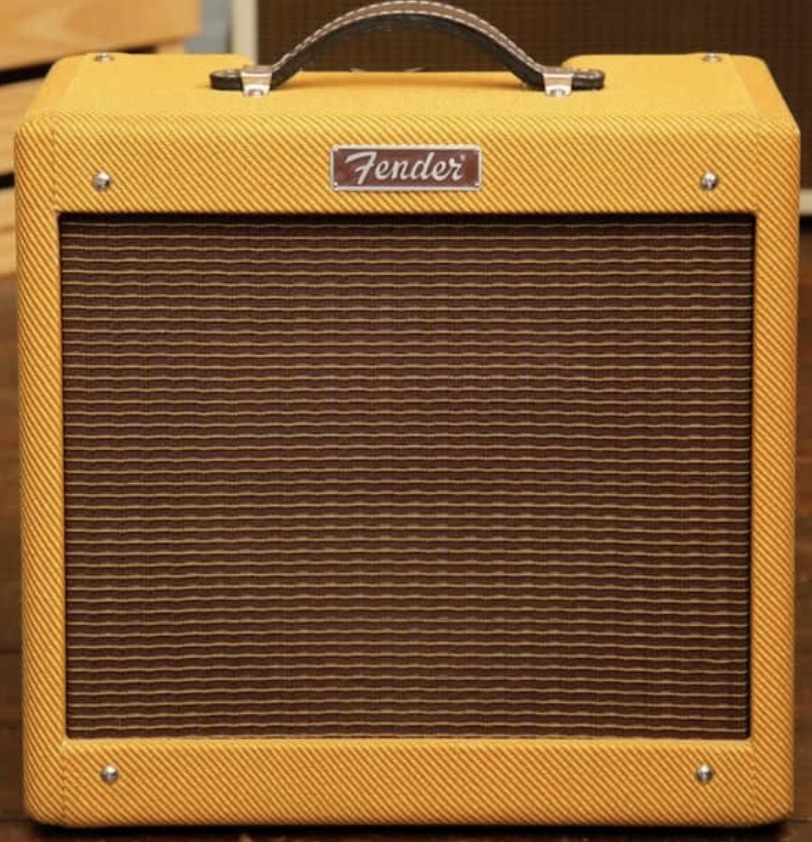
| Fender Pro Junior IV SE | Straightforward and no-nonsense. Touch-sensitive and highly responsive to your playing. |
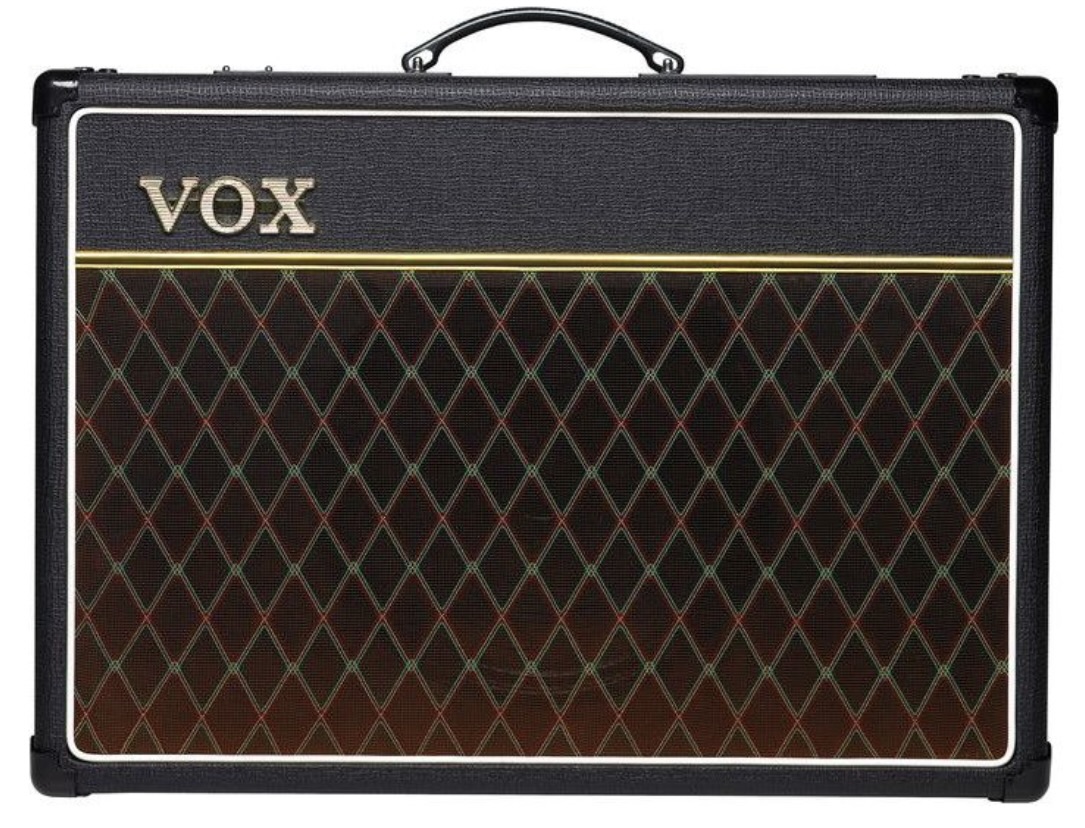
| Vox AC15C1 | The “step up” choice for vintage British chime. A classic beginner-to-pro investment. |


| Amp Model | New (Amazon) | Pre-Owned (Reverb) |
|---|---|---|
| Modeling Amps (The Versatility Kings) | ||
| Boss Katana-50 Gen 3 | Check Price | See Deals |
| Fender Mustang LT50 | Check Price | See Deals |
| Positive Grid Spark 2 | Check Price | See Deals |
| Tube Amps (The Purist’s Path) | ||
| Blackstar HT-1R Mk III | Check Price | See Deals |
| Fender Pro Junior IV | Check Price | See Deals |
| Vox AC15C | Check Price | See Deals |
Note: Fender Pro Junior IV SE model not available currently.
Tone Comparison: Organic “Air” vs. Studio “Algorithms”
- Tube Amps: They offer a “3D” harmonic richness. The tone feels thick, warm, and has a natural “bloom” where the notes seem to grow after you hit them. It’s the sound of classic rock and blues.
- Modeling Amps: They provide a “studio-polished” tone. Models from Fractal and Neural DSP are indistinguishable from tubes in a recorded mix. However, in a room, they can sometimes feel “flat” because they are emulating a mic’ed-up speaker rather than the raw amp-in-the-room air.
Feel & Playability: Why Dynamics Matter for Your Growth
- Tube Feel: It’s elastic. If you pick softly, the amp stays clean. If you dig in, it barks. This “interactive sag” creates a physical connection between your hands and the speaker.
- Modeling Feel: Modern algorithms (like Cygnus X-3) have closed the gap to about 95%. It’s precise and predictable, which is great for technical metal, but some purists find it lacks that final 5% of “soul” or “mojo” that makes a tube amp feel alive.
Build Quality & Reliability
- Tube Amps: Built like tanks but filled with glass. They are susceptible to vibration and heat. If you’re gigging, you must carry spare tubes.
- Modeling Amps: Solid-state reliability. No glass to break and no bias to adjust. They are lighter and can handle being tossed in the back of a car without a second thought.
Ease of Use
- Tube Amps: The ultimate “Plug and Play.” Usually, you have 3–5 knobs. You turn it on, let it warm up for 30 seconds, and play. No menus, no firmware updates.
- Modeling Amps: Can lead to “Option Paralysis.” You have thousands of combinations. If you love tweaking on a computer or a touchscreen, you’ll be in heaven. If you just want to play, the menus can be a frustration loop.
Features
- Tube Amps: Features are minimal. You might get a spring reverb or an effects loop.
- Modeling Amps: Features are endless. Built-in USB-C audio interfaces, Bluetooth for jamming to backing tracks, hundreds of onboard effects, and “power scaling” that lets you drop from 50 watts to 0.5 watts for midnight practice.
Versatility
- Tube Amps: Usually a “Master of One.” A Marshall does the Marshall sound and a Fender does the Fender sound. You buy a tube amp for its specific “flavor.”
- Modeling Amps: The “Master of Everything.” You can switch from a ’59 Bassman to a Mesa Rectifier with one tap of a footswitch.
Pros & Cons
| Tube Amps | Modeling Amps |
|---|---|
Pros:
|
Pros:
|
Cons:
|
Cons:
|
Best For…
- Tube Amps: Tone purists, blues/classic rock players, and those who want an organic, interactive learning experience.
- Modeling Amps: Apartment dwellers, technical players who need many sounds, and beginners who want the most “bang for their buck” to explore different genres.
If you’re pairing your new amp with a classic rock machine, my Epiphone Les Paul Studio E1 review explains why that specific guitar/amp combo is a beginner’s dream for thick, saturated tones.
Final Thoughts: Which One Should You Buy to Unleash Your Inner Rockstar?
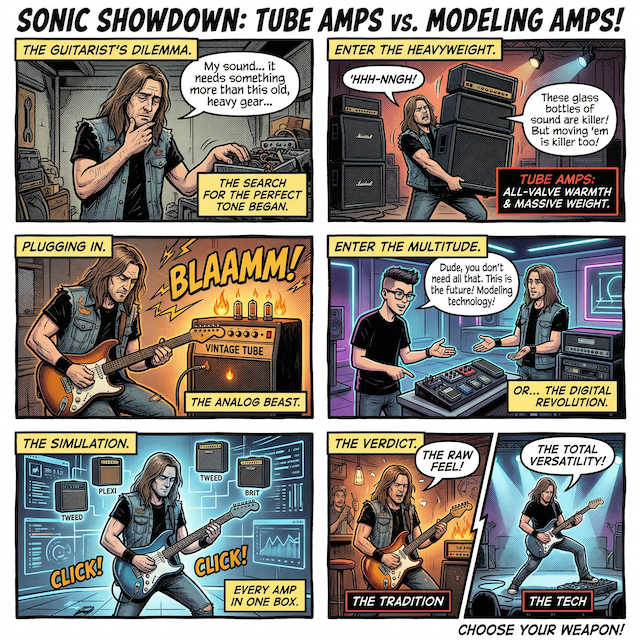
After 40 years of feeling the air move through tube speakers and seeing the incredible evolution of digital DSP in 2026, the answer comes down to your environment and your intent.
If you’re a purist who craves the physical connection of an amp that “breathes” with your picking hand, and you have the space to let it roar, the Tube Amp is your soulmate. In my humble opinion, a tube amp is what I choose to feel better connected with the music I play.
It is a piece of history that forces you to become a more dynamic player because it hides nothing.
However, if you are a modern player who needs a “Swiss Army Knife” for apartment practice, late-night recording, and exploring every genre of rock without breaking the bank, the Modeling Amp is the winning formula.
The “digital” stigma is dead. These are professional tools that remove every obstacle between you and your practice time.
⚡️The String Shock Recommendation: Start with a high-quality modeler to find “your” sound. Once you know exactly which classic tone moves your soul, then invest in the “forever” tube amp that specializes in that specific magic.
Comparison Review Scores
| Category | Tube Amps | Modeling Amps |
| Tone Authenticity | 10/10 | 9/10 |
| Versatility | 4/10 | 10/10 |
| Value for Money | 6/10 | 10/10 |
| Ease of Use | 10/10 | 7/10 |
| Reliability | 7/10 | 10/10 |
| OVERALL SCORE | 7.4 / 10 | 9.2 / 10 |
⚡️How We Tested (String Shock Comparison Methodology)
I don’t just read the manuals. I put every piece of gear through a “Real World” gauntlet. For this Tube vs. Modeling comparison, my testing focused on:
- Hands-On Experience: I spent over 20 hours playing through both technologies in a typical bedroom environment to see how they “breathe” when you can’t wake the neighbors.
- Tone & “Feel” Sensitivity: I tested how both reacted to volume knob roll-offs and picking dynamics. If it doesn’t “clean up” when I play soft, it fails the String Shock feel test.
- Reliability & Maintenance: I evaluated the durability of digital processors versus the fragile nature of glass tubes and the cost of replacement parts.
- Recording & Connectivity: I tested direct-out and USB-C capabilities against traditional mic-and-cab setups, looking for the lowest latency and best tone.
- Ease of Use: I timed how long it took to dial in a “Radio Ready” sound using only the physical controls. If a beginner has to spend an hour menu-diving, it’s not for us.
- Recording & Connectivity: I tested direct-out and USB-C capabilities against traditional mic-and-cab setups, looking for the lowest latency and best tone.
Frequently Asked Questions
1. Are tube amps better than modeling amps for beginners?
It depends on your goal. Modeling amps are usually better for beginners because they offer more sounds for the money and allow for silent practice. However, tube amps are better for learning “touch” and dynamics.
2. Do modeling amps sound like real tube amps?
In 2026, the answer is a resounding yes. While the “feel” in the room is slightly different, modern DSP (Digital Signal Processing) captures the tone of classic tube amps with incredible accuracy.
3. Why are tube amps so much heavier?
Tube amps require heavy transformers and glass vacuum tubes to operate. Modeling amps use lightweight microchips and digital components, making them much easier to transport.
4. Can I use a tube amp for quiet home practice?
It’s difficult. Most tube amps need to be turned up to sound their best. Unless the amp has a built-in “power soak” or attenuator, a modeling amp is a better choice for low-volume playing.
5. Do tube amps hold their value better than modeling amps?
Yes. Well-maintained tube amps are often considered “investment pieces” and hold their resale value for decades. Modeling amps, like most digital tech, tend to depreciate as newer versions are released.