
Coming Back to Guitar After a One-Year Break
Returning to guitar after a long break can make you feel like you lost part of yourself.
If your guitar has been sitting in the corner while life brought band changes, family stuff, work, or other projects, I get it.
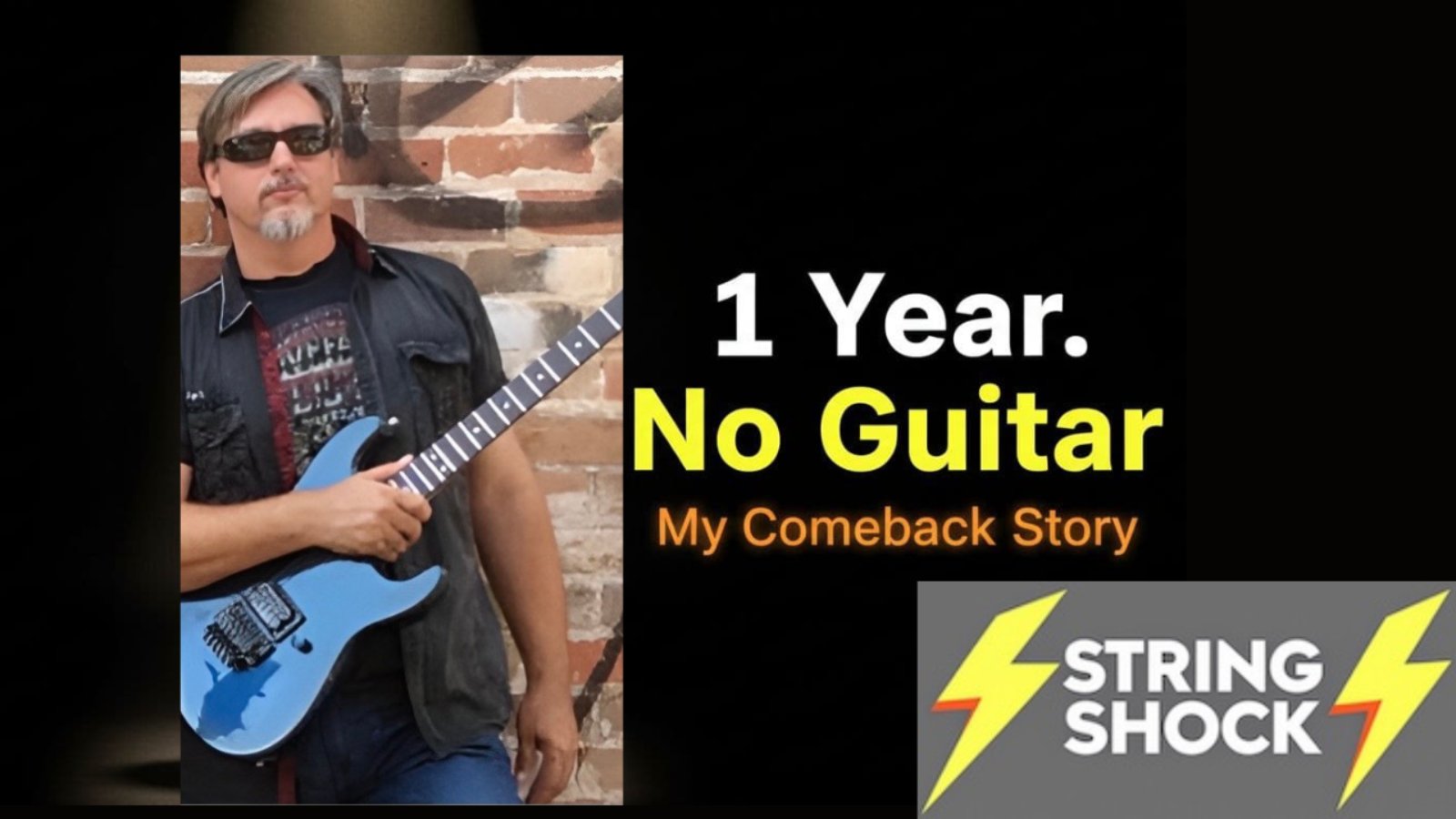
After 40+ years of playing, I stepped away for more than a year. When I came back, my hands felt rusty, and my gear was a mess, including my neglected 1986 Charvel.
But the moment I heard the amp come alive again, I remembered something important: you don’t forget the part of guitar that got into your bones.
Key Takeaways
- A long break from guitar does not erase your musical identity, muscle memory, or the years you already put into playing.
- Start by removing friction: replace dead strings, check cables, clean up the guitar, and make your rig easy to use.
- Rusty hands, weaker bends, and reduced stamina are normal. Rebuild your guitar technique with relaxed repetition and small, familiar wins.
- Begin with the sounds that made you love guitar, such as power chords, heavy riffs, pinch harmonics, and ridiculous whammy bar dives.
- Keep practice short, focused, and fun so returning to guitar becomes a habit instead of another chore.
⚡️FREE: The 15-Minute Rock Guitar Practice Routine
Stop “practicing” and start playing. Grab the daily blueprint I use to keep my fingers stage-ready in just 15 minutes.
When Guitar Has Been Part of Your Identity
For most of my life, I was the guitar guy. The rocker dude. The guy in the band with guitars everywhere.
I’d rather talk about a killer riff or a cranked amp than almost anything else.
Guitar had become part of my identity.
I started playing around age 15, back in high school.
Funny enough, I had one elective as a freshman and chose guitar.
The class was taught by the band director, who didn’t even play guitar. Not exactly the fast lane to Shred City, right?
Still, that strange little beginning turned into decades of playing.
Band or no band, I kept a guitar in my hands through different seasons, songs, gear, and versions of myself.
That history can make a long break feel surprisingly emotional. After years of playing, your guitar isn’t just a hobby on a shelf.
It has been there through jobs, relationships, good days, bad days, rehearsals, midnight jams, and probably some questionable tone choices too.
We’ve all got those.
The Rock Guitar Moments That Lit the Fuse
Hearing Randy Rhoads Changed Everything
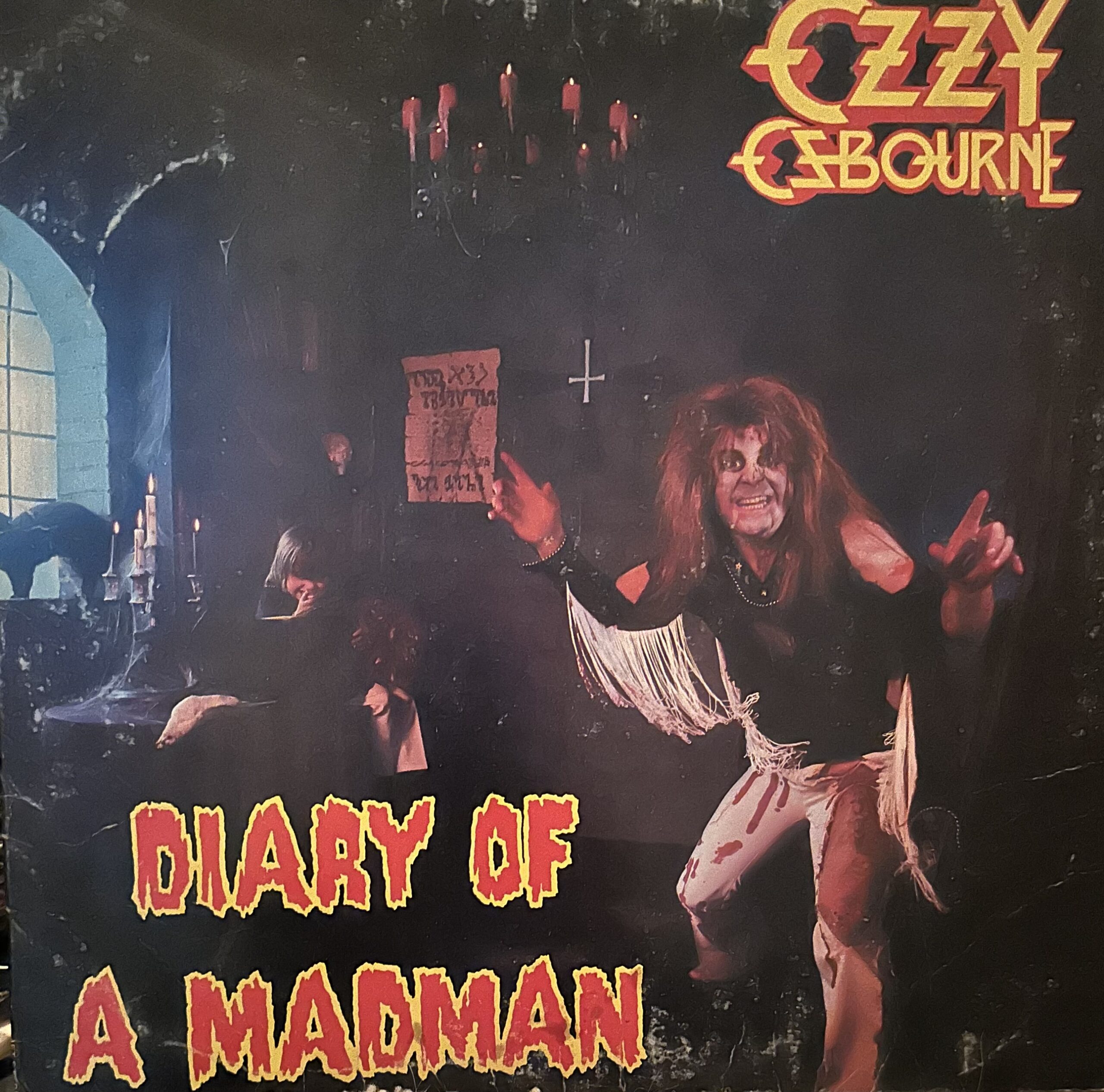
When I first heard Randy Rhoads on Ozzy Osbourne’s Diary of a Madman, I was blown away. His playing had everything that grabs you as a rock guitarist: aggression, melody, speed, attitude, and that wild feeling that the guitar could say anything.
That album made me want to play harder. Not because somebody handed me a theory book or told me I had to practice scales for six hours a day. I wanted to make sounds that hit me in the chest.
For a comeback guitarist, that early spark still matters.
Think about the first player, record, riff, or solo that made you say, “Damn. I want to do that.” It can provide guitar motivation when your fingers feel stiff and your confidence is dragging behind you.
That sound is still useful. It gives you somewhere real to start.
Warren DeMartini Made Guitar Look Dangerous
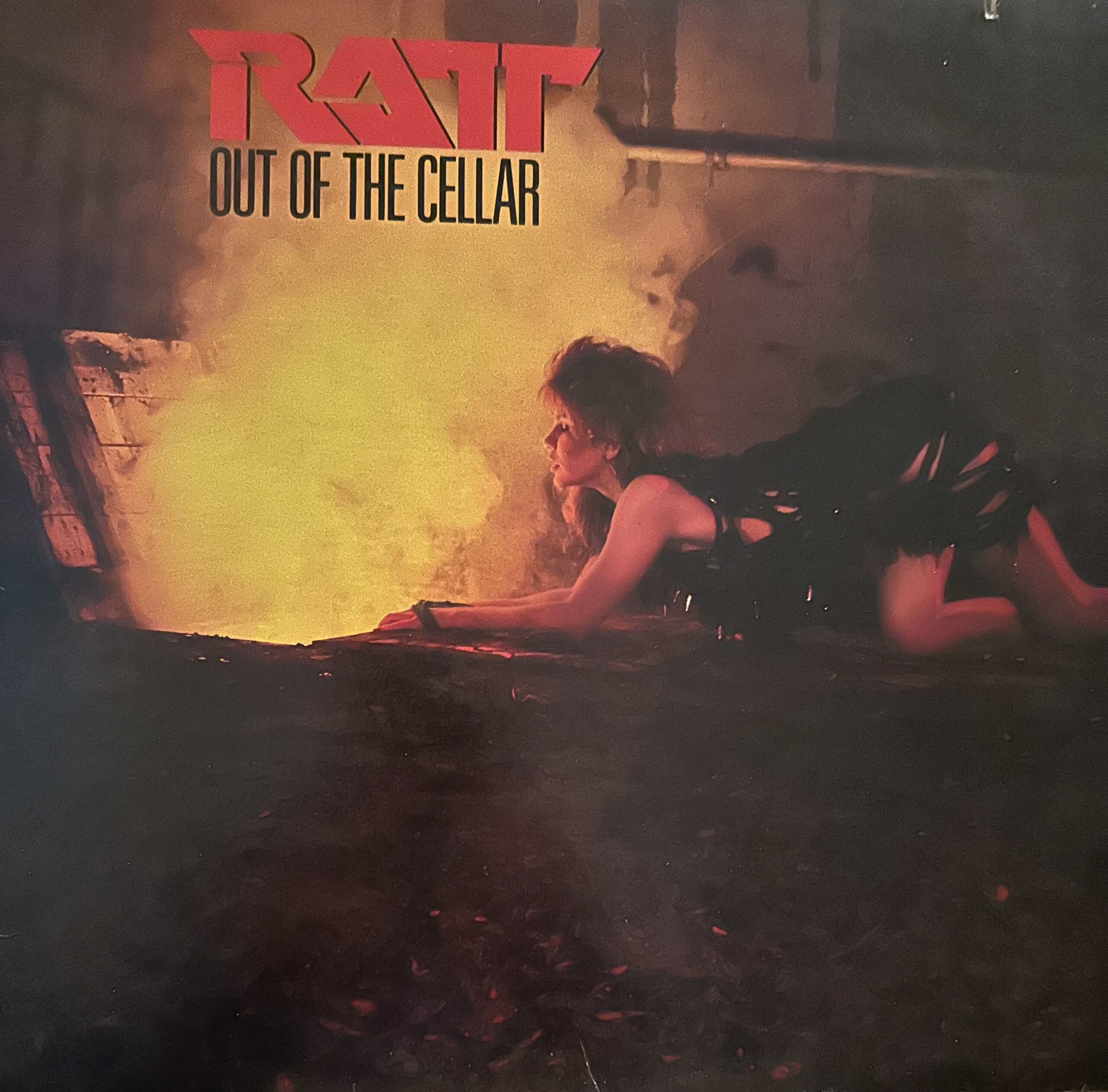
Then MTV hit. I saw Ratt’s “Round and Round” video when I was around 13, with Warren DeMartini coming out of the ceiling and ripping that solo.
Dude. That was so BADASS!
I remember thinking, “That’s what I want to do.” It wasn’t subtle. It wasn’t polite. It was loud, flashy, and full of rock ‘n’ roll swagger. That image stayed with me.
A lot of us started because guitar looked like FUN.
Keep that in mind if you’re coming back after time away.
You don’t have to prove you still have it in the first five minutes. Start with the stuff that made you excited to grab a pick in the first place.
Why Experienced Guitarists Stop Playing
I didn’t stop because of an injury. I didn’t stop because I suddenly hated guitar.
My band stopped playing, I had other projects to work on, and life pulled me in another direction.
That kind of break happens gradually. One week turns into another.
The guitar stays on the stand. The pedalboard stays unplugged. Pretty soon, picking up the guitar isn’t part of the day anymore.
There are tons of reasons an experienced guitarist might step away:
- A band breaks up or stops rehearsing.
- Raising a family takes every spare minute.
- Career changes eat up your energy.
- Motivation dries up for a while.
- Other goals take over.
- Life gets messy, heavy, or flat-out hard.
JUDGEMENT FREE ZONE: Some people have been through rehab, jail, grief, illness, burnout, or situations most folks never see coming.
Guitar can fall off the map for all kinds of reasons. A break changes your routine, but it doesn’t mean you’ve abandoned who you are.
A break from guitar doesn’t erase the years you already put into it.
I had played consistently since I was a teenager. Then, for over a year, I barely played at all. I’d walk past my guitars, stare at them, and think, “I’ve got better stuff to do.”
That was a weird feeling. The guitars were right there, but the habit was gone.
What a One-Year Guitar Break Felt Like
The Guitar Was There, but the Routine Wasn’t
My guitars didn’t disappear. My desire to play didn’t disappear either. But daily life had built a wall between me and the gear.
If this sounds familiar, don’t beat yourself up. Guilt is dead weight. It doesn’t change strings, fix a noisy cable, or get your hand back around the neck.
What helped me was getting honest about the situation. I wasn’t playing. My gear had been neglected. I felt disconnected from the thing I’d done for decades.
Okay. Fine. That’s where I was.
The next move wasn’t to plan some perfect guitar comeback. It was to plug in and see what still worked.
Rusty Hands Are Normal
Coming back can feel humbling.
Your guitar playing speed may feel reduced. Your finger strength and hand coordination can take time to return.
Your bends might be shaky. The neck can feel different under your hand after time away.
You might notice fret edges, old grime on the fretboard, strings that feel rough, or tuning that drifts as soon as you hit a heavy bend.
Those are temporary performance issues, not proof your guitar technique is gone.
I found that the important stuff was still in there.
Muscle memory came back gradually, in pieces.
A power chord. A riff. A pinch harmonic. Then that familiar little rush starts creeping back in.
Bringing a Neglected Guitar Rig Back to Life
The 1986 Charvel Was Waiting
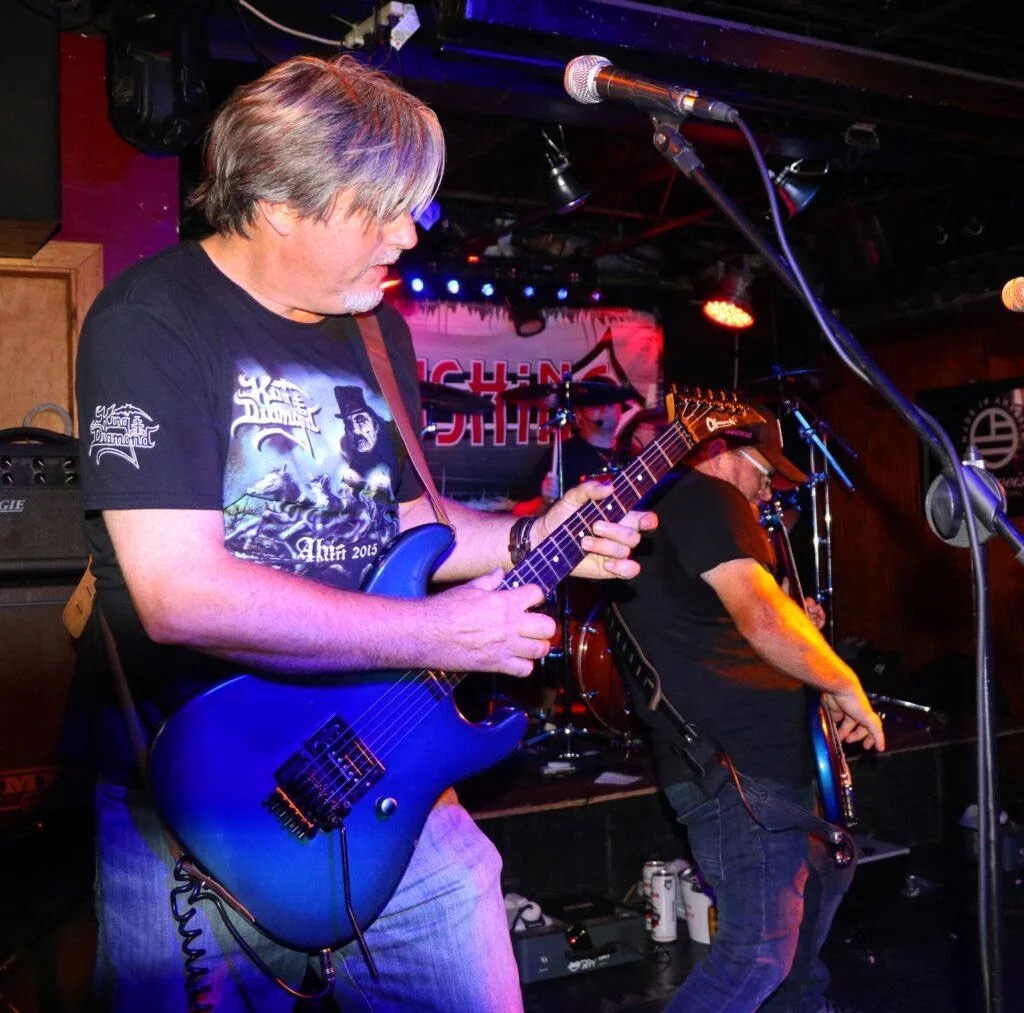
The guitar I picked up again was my 1986 Charvel. That guitar has been with me longer than most relationships in my life, so seeing it neglected hit me hard.
It’s not just wood, metal, and wires.
A guitar like that carries years of riffs, rehearsals, gigs, busted strings, tuning fights, and memories. When you’ve owned an instrument that long, it feels personal. It becomes a relationship.
My gear was stacked in the corner, collecting dust. I plugged the Charvel into my pedalboard, fired up the amp, and got noise.
Not cool noise either. The ugly, hissy kind that makes you wonder what the hell happened to everything.
Coming back to guitar may start with fixing the rig before you play a single note.
Fix the Friction Before It Becomes an Excuse
I handled a few basic maintenance tasks before trying to make music again.
Nothing glamorous. Just the real-world guitar work that gets you back in the room.
- I oiled the fretboard and got the guitar feeling less dry and neglected. (F-One oil)
- I replaced the completely dead strings. Old strings lose their snap, feel rough, and can make a guitar sound dull before you touch the amp settings.
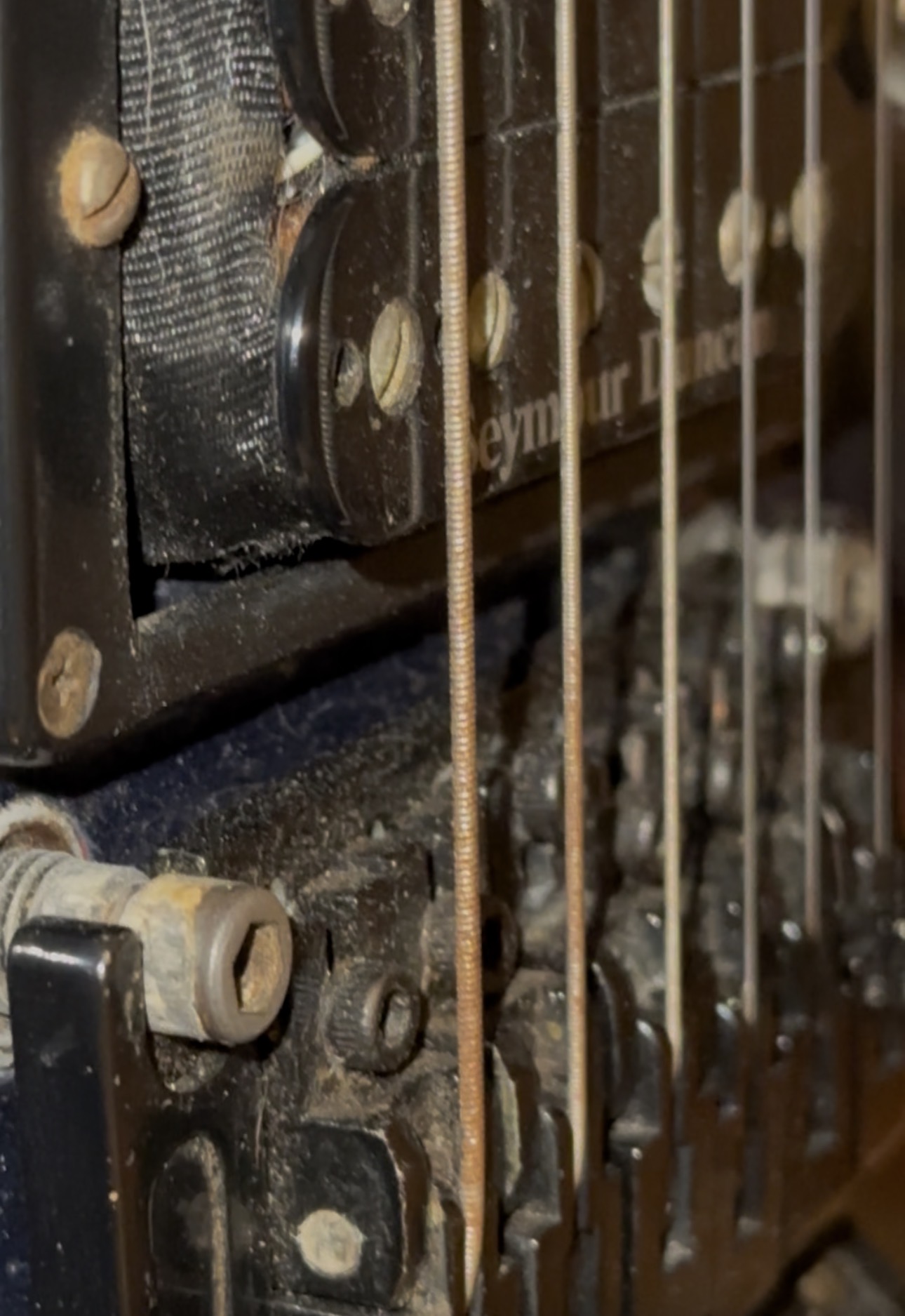
- I checked the signal path, tracked down bad cables, and replaced the old cord causing the noise.
- I warmed up the tubes, reconnected the rig, and tested everything from the guitar to the amp.
- Once the setup worked, I turned up the volume and played.
*As an Amazon Associate I may earn from qualified purchases. If you make a purchase through these links, I may earn a commission at no extra cost to you.
That was my low-friction first step before formal practice began.
No perfect studio. No new wall of gear. No waiting until every detail was ideal.
Don’t let neglected gear become another reason not to start.
If your full rig feels like too much work to fire up, make the path easier.
Keep your guitar on a stand near the couch or workspace.
Put a pick where you can grab it.
A small amp or headphones can keep you playing without turning setup into a 30-minute project.
My real guitar practice routine is built around that same idea: less setup friction, more time with the guitar in your hands.
The First Power Chord Back
Solving the Noise Was Half the Battle
The first time I plugged in after the break, I heard noise. I warmed up the tubes, swapped the old cable, and tried again.
There it was. The noise was gone. The amp was alive. The guitar was talking again.
That moment mattered because I hadn’t forgotten 41 years of guitar playing.
The rig simply needed attention.
Sometimes a comeback starts with a dumb little cable sitting too long.
Fix the obvious stuff first, then see where you’re at.
The Adrenaline Came Back Fast
Once everything worked, I hit my first power chord.
Man, that rush came right back.
Then I played a heavy riff. I hit a pinch harmonic. I did a whammy bar nose dive because, come on, why wouldn’t I?
The first riff didn’t feel like starting over. It felt like coming home.
The sound matters.
A guitar plugged into a cranked amp has physical weight.
You feel the strings push back under your pick.
You feel the neck in your hand.
You hear the pickup output bite when you dig in. That feedback loop reminds you why rock guitar got its hooks into you.
You can regain guitar skills by solving small problems and playing right away. Don’t try to make up for lost time with one giant marathon session.
Rusty Does Not Mean You’re Finished
You never really forget how to play guitar. Your muscle memory is still there, but it needs relaxed repetition.
Your hands may not be ready to rip like they did before, so your timing and stamina may need some work.
But rusty doesn’t mean gone.
The musical skills that meant something to you are still in there.
Power chords still feel like power chords. The heavy riff that made you grin can still do it.
Pinch harmonics still squeal when you find the sweet spot.
The whammy bar is still ridiculous and fun!
Rusty is temporary. The connection is still there.
Don’t judge every guitar playing mistake right away.
Temporary weakness doesn’t mean you’ve developed bad habits. Be patient with yourself while overcoming frustration.
Don’t expect the first session back to be a full shred clinic.
Start with easy wins, like a familiar riff, a dirty E5 chord, or one controlled bend that holds tune. You don’t need to test your sweep picking technique on day one.
For a lead player in the making, those small wins bridge the gap between “I used to play” and “I play guitar.”
That is guitar technique transferability in action, because old riffs, bends, and rhythm parts can support new material.
Start With the Sound That Made You Love Guitar

When I came back, I didn’t need an academic plan. I needed sound. I needed volume. I needed to feel a riff hit through an amp!!
Try starting with something familiar and satisfying:
- Slam a few power chords with a solid downstroke.
- Play a heavy riff you used to know by heart.
- Work through a few guitar licks you enjoyed playing.
- Hit a ridiculous whammy bar dive and laugh when it goes sideways.
The goal isn’t to impress anybody.
The goal is to reconnect with the part of guitar that made you want to play in the first place.
If you only have 10 or 15 minutes, that’s fine.
A short session still counts. Play a riff, check your tuning, scrape off the rust, and leave the guitar where you can grab it tomorrow.
There’s no shame in keeping things simple.
Other comeback players have shared the same reality, including the need to remove barriers between themselves and the instrument.
Keeping your guitar within reach protects your guitar motivation and makes tomorrow’s session easier to start.
Build the Habit Without Killing the Fun
Don’t turn your comeback into punishment.
You don’t need to grind your fingertips into dust on day one because you feel behind.
You don’t need to start with the hardest song you ever played either.
Start with a short practice session and keep it scrappy.
A simple guitar practice routine is easier to repeat than an ambitious plan you dread.
Try building each session in small blocks:
- Start with a few warm up exercises, such as easy fretting movements or a brief chromatic scale.
- Play some open chords, then work on controlled chord changes.
- Use a backing track to make rhythm practice feel more musical.
- Spend a few minutes on a lead block, focusing on bends, picking, or a couple of licks.
- End by playing something FUN.
Give every block a clear purpose so you don’t slip into mindless guitar practice.
One day might focus on rhythm, another on lead work, technique, or simply playing songs.
That focus rotation keeps the week fresh without making every session feel like a test.
Tie your practice consistency to realistic musical goals, such as playing one song cleanly or rebuilding your stamina.
Those small targets make progress easier to notice.
That last part matters. If every practice session feels like homework, the guitar goes back in the corner. Screw that!
When you’re ready for more structure without draining the life out of it, use the rock guitar practice schedule generator.
This will help build a guitar practice schedule with room for beginner basics, rhythm, lead work, and the fun stuff that keeps you coming back.
Guitar Is Still Waiting for You
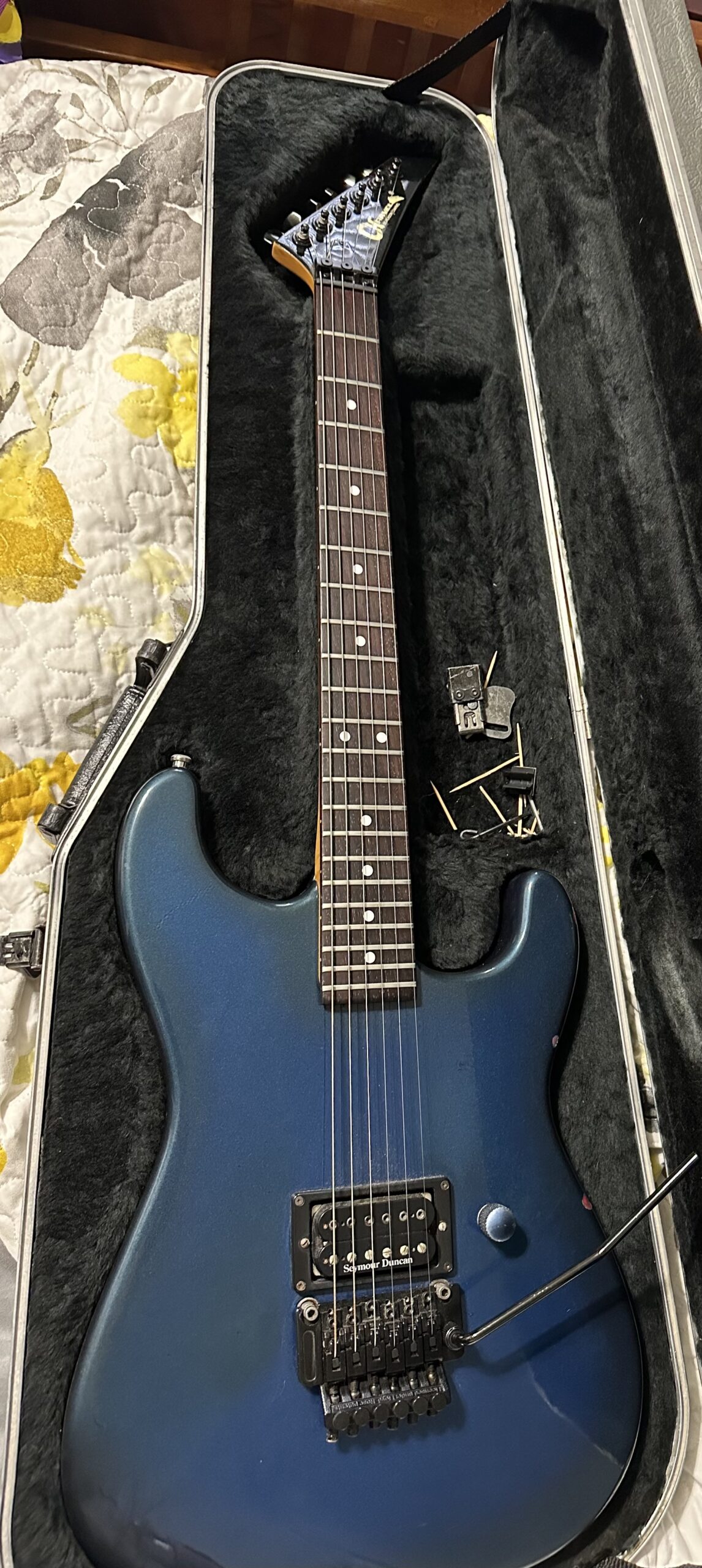
Returning to guitar after a long break meant picking up where I left off after 40+ years of playing.
My gear got dusty. My strings were dead. An old cable gave me nothing but noise.
Still, the second I got the Charvel plugged in and hit that first power chord, the connection came roaring back.
You are not starting from zero.
You are picking up a thread that life made you put down for a while.
Pull the guitar out. Change the strings if they need it(they will).
Fix the cable. Play one riff that makes you feel like a rock guitarist again.
The guitar is still there, and so are you.
Frequently Asked Questions
1. Will I forget how to play guitar after a long break?
You may feel rusty, but you probably haven’t forgotten the musical skills that mattered most to you. Muscle memory returns gradually through relaxed repetition, familiar riffs, and simple chord work.
2. How should I start playing guitar again after a one-year break?
Start by making sure your guitar and rig are ready to use. Replace dead strings, check your cables, tune up, and play a familiar riff or power chord instead of jumping into an exhausting practice marathon.
3. How long does it take to regain guitar skills?
The timeline depends on how long you played before the break, how much rust built up, and how consistently you practice now. Short, repeatable sessions can steadily rebuild finger strength, timing, stamina, and confidence.
4. Should I follow a strict practice routine when returning to guitar?
A simple structure can help, but your comeback should not feel like punishment. Use short blocks for warm-ups, chords, rhythm, lead work, and something fun so the routine stays useful without killing your motivation.
5. What if my guitar gear is making noise or feels neglected?
Fix the obvious friction before judging your playing. Change old strings, replace bad cables, clean or oil the instrument as needed, and test the signal path so a neglected rig does not become another reason to avoid picking up the guitar.