
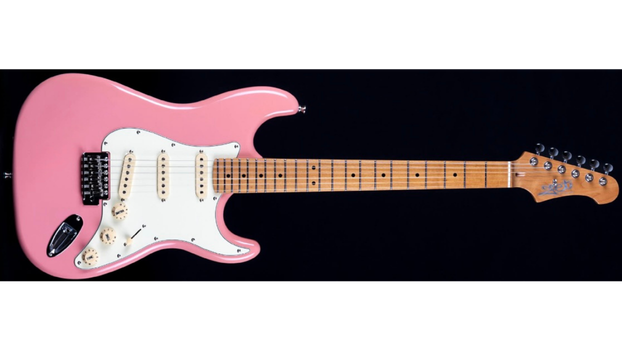
Jet JS-400 Review: The Best Roasted Maple Strat Under $300?
Transparency Quote: I’ve spent many years picking up guitars at every price point imaginable, from pawn shop disasters to Custom Shop masterpieces. In that time, I’ve learned that the budget guitar market rewards patience and punishes impulse buying. The Jet JS-400 has a roasted maple neck under $300? Let’s find out if it’s the real deal.
In this article, I’m going to share my HONEST Jet JS-400 review for guitarists wondering whether this budget Strat-fighter is actually worth your hard-earned money.
The Strat-style guitar is everywhere, and for good reason. From Hendrix to SRV to John Frusciante, the single-cutaway, three-pickup layout has defined the sound of rock and blues for over six decades.
The problem? A real Fender will cost you. That’s where guitars like the Jet JS-400 step into the conversation.
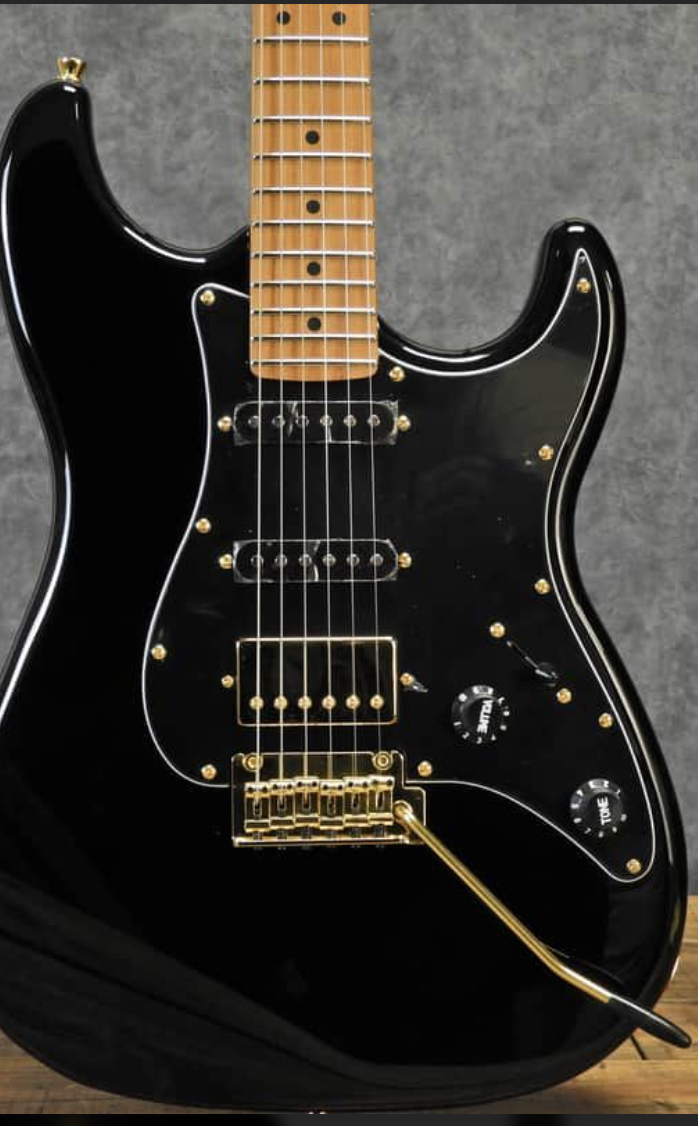
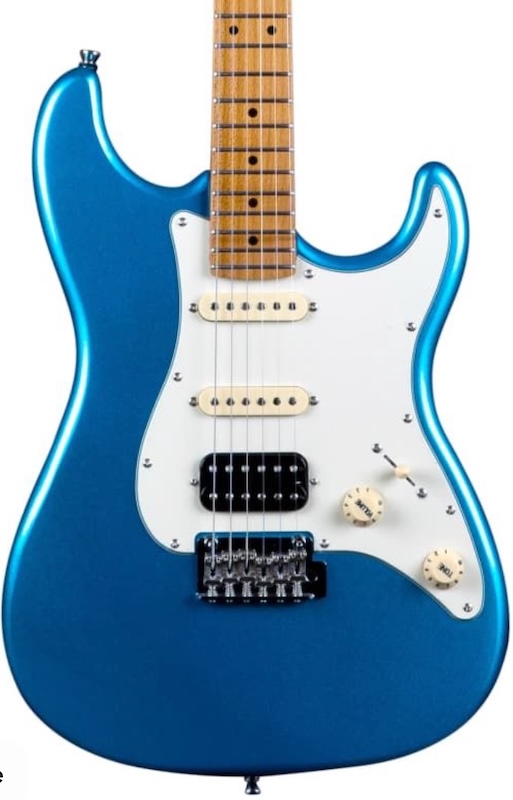
It promises a roasted Canadian maple neck, an HSS ceramic pickup configuration, a bone nut, and modern playability, all for under $300. On paper, that’s either a genuine bargain or a list of specs that don’t survive contact with reality.
I put it through its paces to find out which one it is. Let’s plug in.
Still comparing models before pulling the trigger? Check out my guide to the best electric guitars for beginners to see how the JS-400 stacks up against the full field.
⚡️FREE: The 15-Minute Rock Guitar Practice Routine
Stop fumbling through practice. Get the simple daily routine that keeps your fingers sharp and your playing moving forward, even on your busiest days.
Key Takeaways
- The Roasted Maple Neck is the Real Story: This is a feature you’d expect to pay twice the price for. It delivers stability, smoothness, and a fast feel that budget guitars almost never offer straight out of the box.
- HSS Versatility That Actually Works: The ceramic pickup configuration isn’t glamorous, but it covers far more tonal ground than a vintage single-coil-only setup, from clean sparkle to legitimate high-gain crunch.
- Premium Details at a Budget Price: A bone nut for a guitar priced at $300 tells you Jet was paying attention when they designed this guitar. Small detail, big difference in tuning stability and resonance.
- Hardware Has Its Limits: The tremolo and tuners are budget-oriented. For most players that’s a non-issue, for whammy bar addicts, plan the upgrade now.
- A Modder’s Dream Platform: The bones of this guitar are excellent. If the electronics eventually frustrate you, swapping them out is money well spent on an already solid foundation.
| Quick Verdict: Jet JS-400 | |
|---|---|
| Category | The Veteran’s Take |
| Build & Finish | Basswood body with a roasted Canadian maple neck that looks and feels far more expensive than the price tag suggests. |
| Tone Versatility | HSS ceramic pickups cover the full tonal spectrum, from clean brightness to high-gain crunch, though they lack the nuance of pricier alternatives. |
| Playability | Modern C neck with a 9.5″ radius and a carved heel joint make this one of the most comfortable playing experiences in its price class. |
| Tuning Stability | The bone nut is a welcome inclusion, though the budget 2-point tremolo and tuners may need attention under heavy use. |
| Overall Value | A genuinely impressive sub-$300 package, the roasted maple neck alone makes this worth serious consideration over every competing budget Strat. |
In 2026, the Jet JS-400 stands out in the crowded budget Strat market by leading with a roasted Canadian maple neck, HSS versatility, and modern playability at a price that seriously undercuts the competition. It’s not perfect, but it punches well above its weight class.
Review Scores
| Category | Score / 10 |
|---|---|
| Tone Quality | 8/10 |
| Playability | 9/10 |
| Build Quality | 8.5/10 |
| Value for Money | 9.5/10 |
| Total String Shock Rating | 8.75/10 |
Jet JS-400: Price and Value
The JS-400 typically lands under $300, and at that price, the spec sheet reads like someone made a mistake. A roasted Canadian maple neck is a feature you’d normally find on guitars pushing $500 or $600.
Add a bone nut and a 2-point tremolo, and Jet is clearly swinging above their weight class on purpose.
For beginners, this means you’re not starting on something that feels disposable.
For intermediate players, it’s a legitimate backup or travel guitar that won’t embarrass you on stage.
For modders, it’s a premium platform just waiting for a pickup swap and a tuner upgrade. Whatever your situation, the value here is hard to argue with.
⚡️For the perfect partner for this guitar, read my full Fender Champion II 25 review breakdown of what this budget amp can deliver.
| Platform | Condition | Check Current Price |
|---|---|---|
| Amazon | New | View on Amazon |
| Reverb | New & Used | View on Reverb |
Jet JS-400: Should You Buy It?
Look, at under $300 with a roasted maple neck and a bone nut, the JS-400 is already doing more than most guitars at this price have any right to do. But it’s not for everybody, so let’s cut through it.
Buy If:
- You want a genuinely fast, comfortable neck without paying Fender Player Series money.
- You play across multiple genres and need a guitar that can go from clean to crunch without swapping instruments.
- You’re a modder looking for a solid platform. The bones are there, just upgrade the electronics when they annoy you.
- You’re a beginner who refuses to start on something that feels like a toy.
Don’t Buy If:
- You’re a hardcore vintage tone purist. Ceramic pickups aren’t going to scratch that itch.
- You’re a whammy bar abuser. The budget tremolo will test your patience sooner rather than later.
- Weight matters to you. Some units push past 8 lbs, and that adds up over a long rehearsal.
- You expect perfection right out of the box. Budget guitars rarely do, and this one’s no exception.
If the vintage single-coil route is calling your name instead, check out my Squier Classic Vibe ’60s Stratocaster review to see how the two stack up.
If you want a Les Paul-style rock machine instead, my ESP LTD EC-256 review covers a set-neck alternative with serious humbucker punch.
Tone & Versatility: The HSS Advantage
Here’s the thing about ceramic pickups, guitar snobs love to hate them, and sometimes they’re right. But on the JS-400, they work harder than you’d expect.
Clean (The “Glass and Air” Tone)
The neck pickup has a warm, clear voice that handles jazz voicings and bluesy bends without sounding thin or brittle.
There’s genuine articulation here, notes breathe rather than clump together. Think early Frusciante clean tones rather than vintage Hendrix shimmer, but it’s a sound you can absolutely work with.
Crunch (The “Meat and Potatoes” Zone)
Roll into the middle position with some overdrive and the JS-400 finds its stride.
It’s punchy and direct. Perfect for rhythm playing, classic rock riffing, and that percussive snap that makes a good crunch tone feel alive in a band mix.
Pro Tip: Run the middle pickup position through a light overdrive pedal and roll your tone knob back to about 7. You’ll dial in a warm, woody crunch that will surprise you.
High Gain (Where It Earns Its Keep)
Flip to that bridge humbucker and the whole conversation changes.
It handles distortion with confidence and authority, and it keeps noise levels manageable in a way that a single-coil-only guitar simply never will.
If you’ve ever tried to play metal through a vintage Strat and wanted to throw it across the room, you’ll appreciate having that humbucker in the back pocket.
It’s not a boutique pickup, but at this price, it earns its place every single time.
If high-gain is your primary language and you want a dedicated rock machine, my Ibanez GIO GRG220PA1 review covers another strong budget option built specifically for that world.
Want to make sure you’re pairing the JS-400 with the right amp? Read my guide to the best portable guitar amps for rock under $300 and dial in your full rig.
Comfort & Playability: The Neck Wins the Argument
Forty-plus years of playing teaches you one thing pretty quickly, a bad neck will ruin an otherwise decent guitar every single time. So when the JS-400 shows up with a roasted Canadian maple neck at this price, you stop and pay attention.
The modern C profile sits in your hand like it was made for long sessions. No cramping, no fighting the guitar, it just works.
The 9.5″ radius hits the sweet spot between vintage comfort and modern bending capability, and the carved heel joint is a thoughtful touch you don’t always see at this price. Upper fret access is noticeably better than the competition.
The Roasted Maple Factor
Roasting the maple removes moisture from the wood. This means better stability against humidity and temperature changes, a slightly enhanced resonance, and that smooth, almost satin-like feel under your fretting hand.
It’s a process usually reserved for guitars costing significantly more, and it shows every time you pick this thing up.
Pro Tip: If your unit arrives needing a setup, and some will, don’t panic. A proper truss rod adjustment and a saddle height tweak will unlock everything this neck has to offer.
It’s worth the $40-$60 at your local music store OR check out this Youtube video and do it yourself.
Truss rod adjustment:
Intonation fix:
Hardware & Electronics: Honest Assessment
The bone nut and 2-point tremolo are the headliners, and the bone nut deserves a genuine round of applause.
It’s a detail that budget guitar manufacturers consistently skip, and Jet didn’t.
Better resonance on open strings, better tuning stability, better everything compared to the plastic nuts you’ll find on most guitars at this price.
The Electronics:
This is the one area where some players have reported concerns over time.
The volume and tone pots and the pickup selector are functional out of the box, but long-term durability has been questioned. If you’re a heavy player who uses the controls constantly, keep that in mind.
The Tremolo:
Functional and stable for standard playing and light vibrato use. Push it with aggressive dive bombs and you’ll start to feel its budget-oriented limits. For most players this is a complete non-issue.
The Tuners:
They hold pitch reliably under normal conditions. Heavy tremolo abuse will expose their limitations, but again, for standard playing they do the job.
Pros and Cons
| Pros (The Wins) | Cons (The Reality) |
|---|---|
| ✅ Roasted Maple Neck: A premium feature at this price point, delivering exceptional stability and a smooth, fast feel straight out of the box. | ⚠️ Electronics Reliability: Volume and tone pots and the pickup selector have reported durability concerns under extended heavy use. |
| ✅ Versatile HSS Configuration: Ceramic pickups cover the full tonal spectrum — from clean, glassy single-coil tones to thick, high-gain humbucker authority. | ⚠️ Weight Variance: The basswood body can push past 8 lbs on some units — that adds up fast over a long rehearsal or gig. |
| ✅ Modern Playability: The 9.5″ radius, modern C profile, and carved heel joint combine to create one of the most comfortable playing experiences in this price range. | ⚠️ Budget Hardware: The tremolo and tuners are functional but oriented toward the budget end — heavy whammy use will expose their limits sooner rather than later. |
| ✅ Bone Nut Included: A genuine bone nut at this price is a rarity that meaningfully contributes to both tone and tuning stability. | ⚠️ Setup Out of the Box: Some units arrive needing a proper setup before they truly sing — factor that into your budget if you’re not doing it yourself. |
| ✅ Modder’s Dream: The bones of this guitar are excellent — it’s a premium platform just waiting for a pickup swap and tuner upgrade when you’re ready. | ⚠️ Ceramic Pickups: They work well for the price, but vintage tone purists chasing that Alnico warmth and complexity will want to look elsewhere. |
How We Tested: The String Shock Methodology
I’ve spent thousands of hours on stage and in the studio, and if there’s one thing four decades have taught me, it’s that a spec sheet never tells the whole story.
To find out whether the Jet JS-400 actually delivers on its promises, I put it through the String Shock four-pillar stress test, designed to push a guitar until its true character, and its real flaws, come to the surface.
- Hardware Stress: We work the tremolo hard, check for sharp fret ends, and assess the tuners under the kind of abuse a gigging player would throw at them.
- The “Out of the Box” Check: We assess the factory setup immediately. Does it play well right away, or does it need a professional’s touch before it’s usable?
- The Sweat Test: We play for 60 minutes straight to evaluate how the neck feel, tuning stability, and hardware hold up under real-world conditions.
- The Sonic Spectrum: We run the pickups through everything from a clean tube-style circuit to a high-gain channel to find the tonal ceiling, and the breaking point.
Spec Recap
| Feature | Specifications |
|---|---|
| Body | Basswood |
| Neck | Roasted Canadian Maple |
| Fretboard | Roasted Maple or Rosewood |
| Neck Shape | Modern C |
| Radius | 9.5″ |
| Pickups | HSS Ceramic |
| Bridge | 2-Point Tremolo |
| Nut | Bone |
Final Verdict: Is It Worth It?
The Jet JS-400 is the kind of guitar that makes you mad, not because it’s bad, but because it exists under $300 and makes you question every dollar you’ve ever spent on gear.
The roasted Canadian maple neck is the headline, and it delivers every single time you pick this thing up.
The HSS configuration gives you genuine tonal range, the bone nut proves Jet actually cares about the details, and the playability is flat-out impressive for the money.
Are there corners cut? Sure.
The electronics might grumble at you eventually, the tremolo isn’t winning any endurance awards, and some units will need a proper setup before they truly open up.
But for beginners, intermediate players, backup guitar hunters, and modders? The JS-400 is one of the smartest buys in the budget market right now. The roasted maple neck is going to make you smile every single time you play it.
| Platform | Condition | Check Current Price |
|---|---|---|
| Amazon | New | View on Amazon |
| Reverb | New & Used | View on Reverb |

Build Your Total Rock Rig
⚡️FREE: The 15-Minute Rock Guitar Practice Routine
Stop fumbling through practice. Get the simple daily routine that keeps your fingers sharp and your playing moving forward, even on your busiest days.
Frequently Asked Questions
1. Is the Jet JS-400 good for beginners?
Absolutely, but it’s not a throwaway starter guitar. The comfortable modern C neck, versatile HSS pickups, and sub-$300 price point make it an excellent first serious instrument. This is a guitar you grow with, not one you grow out of.
2. How does the Jet JS-400 compare to the Squier Classic Vibe Stratocaster?
The JS-400 brings a roasted maple neck and HSS versatility to the table, while the Squier Classic Vibe leans vintage with Alnico single-coils and classic aesthetics. If you want modern playability and tonal range, the Jet wins.
If you want authentic vintage chime and old-school Strat character, the Squier is your guitar. Check out my Squier Classic Vibe review for the full breakdown.
3. Is the Jet JS-400 good for metal?
The bridge humbucker handles hard rock and entry-level metal with genuine authority. For serious high-gain metal, you’d want a dedicated humbucker guitar, but for everything up to and including classic and modern rock, the JS-400 holds its own.
4. Does the Jet JS-400 stay in tune?
Under normal playing conditions, yes. The bone nut helps considerably. Heavy tremolo use will expose the limits of the budget tuners, if that’s your style, plan a tuner upgrade sooner rather than later.
5. Can the tremolo be blocked off?
Yes. Players who prefer a fixed bridge feel can block the tremolo using a standard tremolo block or a piece of hardwood behind the spring cavity. It’s a simple mod that can also improve sustain slightly.
6. What’s the best amp to pair with the Jet JS-400?
The HSS pickup configuration pairs well with a versatile amp that can handle both clean headroom and drive. Check out my Boss Katana vs. Fender Mustang LT50 comparison for two of the best options at a beginner-friendly price point.