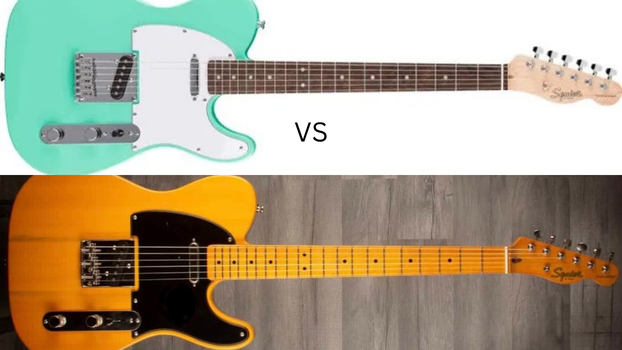
Squier Debut vs. Squier Classic Vibe ‘50s: The Telecaster Face-Off 2026
Transparency Quote: After 40 years of seeing “affordable” guitars evolve from unplayable plywood to genuine stage tools, I’ve learned that the price tag rarely tells the whole story. This is an unfiltered look at where your money actually goes.
Let’s take a look at these two Telecasters that look almost identical, but one is less than half the price of the other.
Is the less expensive one a toy that will frustrate you into quitting, or is the “expensive” one just marketing fluff?
Let’s cut through the noise and find the right Tele for your specific style.
⚡️FREE: The 15-Minute Rock Guitar Practice Routine
Stop “practicing” and start playing. Grab the daily blueprint I use to keep my fingers stage-ready in just 15 minutes.
Key Takeaways
- Frictionless Entry vs. Forever Investment: The Debut Series completely removes the financial barrier to starting, while the Classic Vibe ’50s delivers a pro-grade, stage-ready instrument that holds its long-term value.
- The Weight Factor: If physical comfort is your priority, the Debut’s lighter poplar body prevents shoulder fatigue, whereas the Classic Vibe’s pine body is heavier but provides authentic 1950s resonance and physical sustain.
- Pickup Nuance: The Debut uses hot ceramic pickups ideal for pushing a practice amp into a gritty crunch, but the Classic Vibe features Fender-designed Alnico single-coils that deliver that unmistakable, dynamic Telecaster “snap.”
- Hardware Realities: The Debut’s top-loading 6-saddle bridge makes string changes a breeze for beginners, while the Classic Vibe uses a vintage 3-saddle design that looks historic but requires more patience to accurately intonate.
- The Modding Platform: Both guitars are excellent for tinkering, but the sub-$150 price of the Debut makes it the ultimate low-risk “mad scientist” platform for learning how to upgrade electronics and hardware.

Build Your Total Rock Rig
| Quick Verdict: Debut vs. Classic Vibe ’50s: Which Tele Wins? | |
|---|---|
| Category | Winner |
| Pure Value & Accessibility | Squier Debut Series |
| Vintage Tone & Electronics | Classic Vibe ’50s |
| Hardware & Tuning Stability | Classic Vibe ’50s |
| Comfort & Beginner Ergonomics | Squier Debut Series |
| Overall Winner | Classic Vibe ’50s |
While both guitars offer that unmistakable Telecaster silhouette in 2026, the Squier Classic Vibe ’50s is the undisputed champion if you want a gig-ready, “forever” instrument with pro-grade Alnico snap. However, if you’re an absolute beginner needing a low-friction, lightweight entry point, the Squier Debut provides incredible playability without feeling like a plastic toy.
Comparison Table: Head-to-Head: Tone, Tech, and True Potential
| Feature | Squier Debut Series | Squier Classic Vibe ’50s |
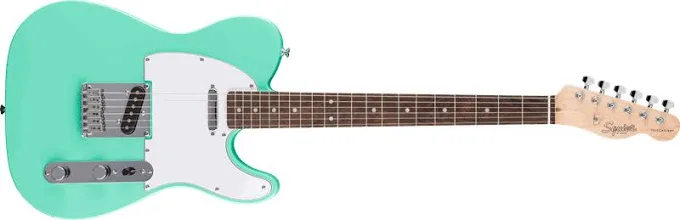
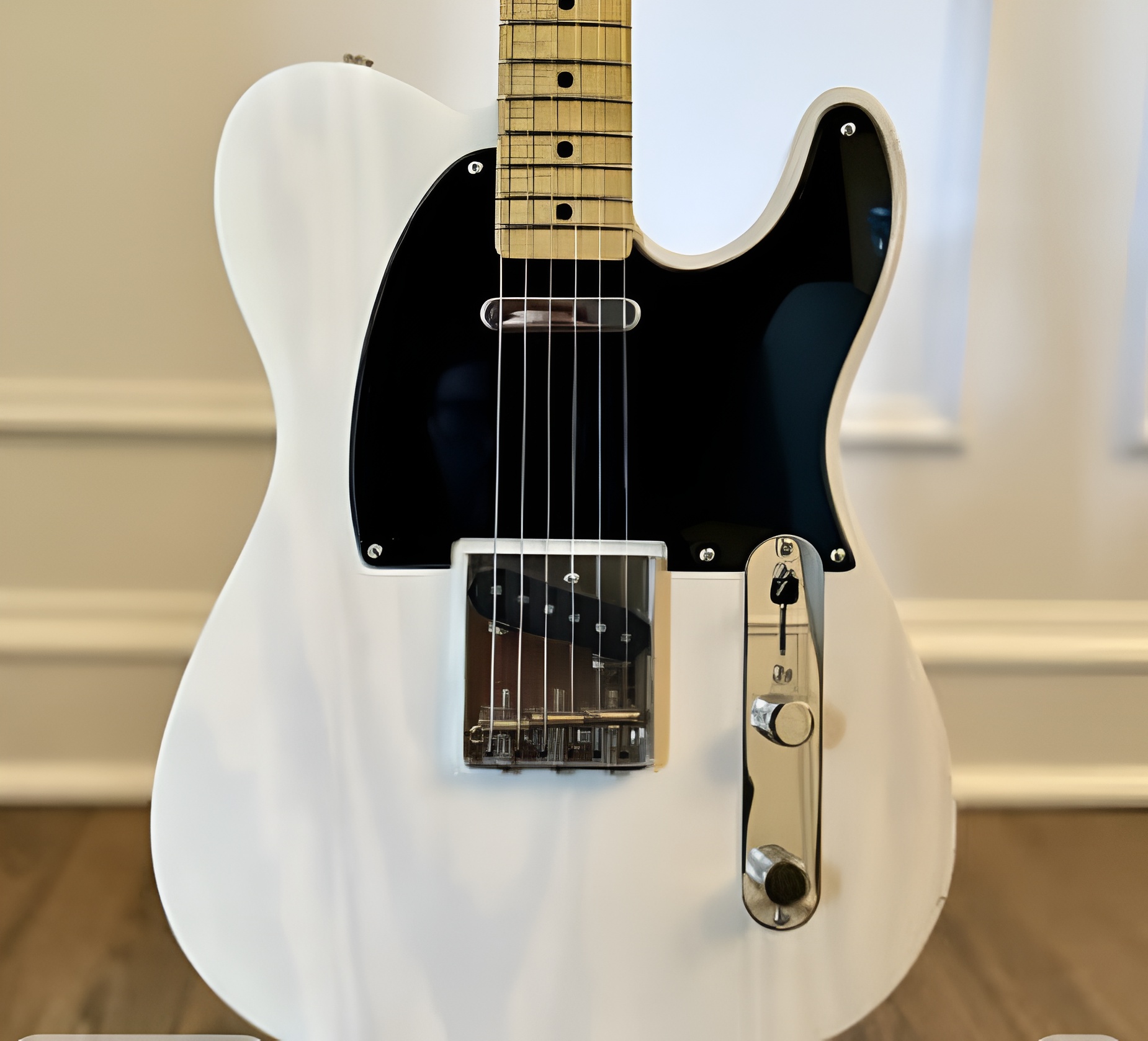
| Pickups | Basic Ceramic Single-Coils | Fender-Designed Alnico Single-Coils |
| Bridge Type | Top-Loading (Easy string changes) | 3-Saddle Vintage String-Through |
| Body Wood | Lightweight Poplar/Basswood | Resonant Pine |
| Neck Finish | Satin (Fast/Dry) | Tinted Gloss (Vintage Look/Feel) |
| Tuning Machines | Standard Die-Cast | Vintage-Style |
The Spec Sheet: Beyond the Marketing Fluff
| Spec | Squier Debut | Squier Classic Vibe ’50s |
| Neck Shape | “C” Shape | “C” Shape |
| Scale Length | 25.5″ | 25.5″ |
| Fingerboard Radius | 9.5″ | 9.5″ |
| Fret Size | Medium Jumbo | Narrow Tall |
| Nut Material | Synthetic | Bone |
| Est. Weight | 6.5 – 7.5 lbs | 8 – 8.5 lbs |
Should You Buy the Squier Debut or the Classic Vibe ’50s?
Buying a guitar isn’t just a financial transaction, it’s a commitment to the type of player you intend to become.
The biggest mistake I see new players make is buying a guitar that physically or mentally fights them, creating the exact kind of friction that leads straight to a dusty case in the closet.
You need an instrument that makes picking it up feel completely natural.
Buy the Squier Debut Telecaster if:
- You need a zero-friction start: This guitar removes the financial anxiety that often paralyzes new players. You aren’t stressing over a massive investment; you’re just plugging in and playing.
- Physical comfort is your top priority: The thinner poplar body and fast satin neck mean your hands and shoulders won’t tire out as quickly while you’re building those crucial early calluses.
- You want to build the habit first: It’s the ultimate tool to lock in a daily 15-minute practice routine without second-guessing whether you bought the “right” gear.
Buy the Squier Classic Vibe ’50s Telecaster if:
- You want an instrument that pulls you toward your potential: If you know you’re in this for the long haul, this guitar offers the resonance, tuning stability, and dynamic Alnico tone that you will not outgrow.
- You crave the “Identity of Success” out of the box: It feels like a genuine, stage-ready instrument the second you strap it on. This subconsciously signals to your brain that you are a player, not just someone “trying” to learn.
- You are chasing classic tone over modern convenience: You don’t mind the slightly heavier pine body or the quirkiness of intonating a 3-saddle bridge because that unmistakable 1950s “snap” and sustain is worth the trade-off.
Squier Debut and Squier Classic Vibe ‘50s (Price Comparison)
When you are staring down a $200 price gap between two guitars that share the identical iconic silhouette, you have to weigh your immediate budget against your long-term commitment.
The Debut Series is priced in the impulse-buy territory, it gets a highly playable instrument in your hands today a lot faster and cheaper, completely removing the financial friction of starting.
The Classic Vibe requires a bit deeper upfront investment, but it secures pro-grade electronics and hardware that hold their resale value significantly better on the used market.
If you are feeling adventurous and want to bypass the factory assembly line altogether, I’ve also included a link to a DIY kit to build your own custom rig.
| Guitar Model | Amazon | Reverb / Alternatives |
|---|---|---|
| Squier Debut Telecaster | Check Amazon Price |
Check Reverb Alt: Reverb Link 2 |
| Squier Classic Vibe ’50s | Check Amazon Price |
Check Reverb Alt: Reverb Link 2 |
| Vibe Works Guitars (DIY Kit) | – | Check Vibe Works Pricing |
Tone Comparison: The Sound of the Investment
The true test of any instrument is what happens when the pick hits the strings.
The price gap between these two models is directly reflected in their magnetic engines and acoustic resonance.
We are comparing entry-level ceramic magnets against vintage-voiced Alnico, and lightweight poplar against resonant pine. Here is exactly what that translates to when you plug in.
Squier Debut Series: “In the Room”
The Debut’s ceramic single-coils run naturally hot. When you are sitting in a room practicing, they deliver a punchy, aggressive mid-range that pushes smaller solid-state amps into a gritty overdrive quite easily.
However, they lack the acoustic “air” and nuance of a higher-end pickup.
If you dig in hard or brush the strings lightly, the volume output stays relatively flat.
It’s a somewhat compressed sound, perfect for driving a distortion pedal in a garage rock setting, but missing the bell-like clarity needed for articulate country or blues phrasing.
Squier Classic Vibe ’50s: “Produced”
Plugging in the Classic Vibe feels like skipping the practice amp and running straight into a professional mixing console.
The Fender-designed Alnico single-coils deliver that undeniable, three-dimensional Telecaster “snap.”
There is a massive dynamic range here, the pickups react organically to your physical touch, rewarding a lighter technique with sparkling cleans and biting aggressively when you attack the bridge pickup.
The solid pine body adds a noticeable low-end thump and physical sustain that the Debut simply cannot replicate.
Out of the box, it sounds like a finished record.
| Squier Debut Telecaster | Squier Classic Vibe ’50s Telecaster |
|---|---|
Pros:
|
Pros:
|
Final Verdict: Which One Should You Buy?
If you’re standing at this crossroads, the choice doesn’t come down to which guitar is objectively “better.” The Classic Vibe ’50s wins that technical race hands down.
The real choice is about removing the specific friction holding you back from becoming the player you want to be.
If dropping $400+ on an instrument triggers that nagging fear that it might just gather dust in the corner of your bedroom, do not force it. Buy the Squier Debut Telecaster.
It eliminates every financial excuse, gets a highly playable neck into your hands today, and lets you start carving out that 15-minute daily practice routine without a single ounce of buyer’s remorse.
You can always upgrade the pickups later when your fingers catch up to your ambition.
⚡️ Want the full breakdown? If you want a deeper look at the exact specs and my full unboxing experience, read my complete Squier Debut Telecaster Review.
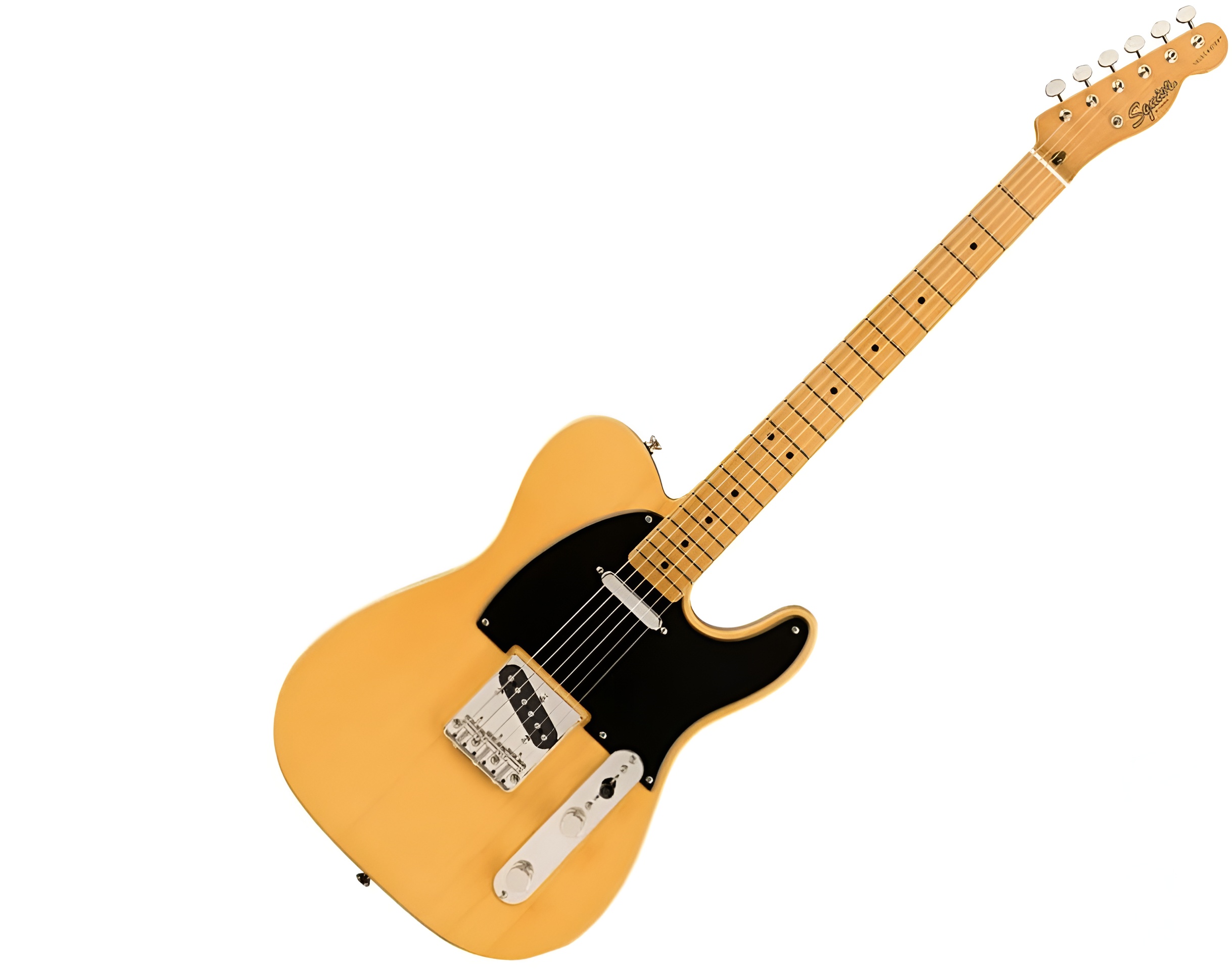
However, if you already know this isn’t a passing phase, and you want an instrument that matches the vision of the guitarist you are becoming, the Squier Classic Vibe ’50s is your winning formula.
It looks, feels, and sounds like a stage-ready vintage Fender.
When you strap it on, it doesn’t feel like you are just “trying” to learn, it feels like you are stepping into the shoes of a seasoned rock player.
This psychological shift alone will keep you picking it up day after day, and that is worth the price of admission.
⚡️ Need more details? To see exactly why this model earns its vintage badge and hear how it handles high-gain, check out my complete Squier Classic Vibe ’50s Review.
Comparison Review Scores
| Category | Squier Debut Series | Classic Vibe ’50s |
| Playability | 4.0/5 | 4.5/5 |
| Tone Quality | 3.0/5 | 4.8/5 |
| Build Quality | 3.5/5 | 4.6/5 |
| Value | 5.0/5 | 4.7/5 |
| Overall String Shock Rating | 3.9/5 | 4.6/5 |
How We Tested: The String Shock Comparison Methodology
At String Shock, we don’t just read the spec sheets, we physically stress test these instruments to see how they perform in the hands of real players.
To find out if the Classic Vibe justifies its higher price tag and if the Debut is truly gig-capable, we ran both guitars through our four core pillars of testing
Pillar 1: The “Couch Test” (Ergonomics & Friction)
I spent hours playing both guitars completely unplugged. We analyzed the physical weight difference between the resonant Pine (Classic Vibe) and the lightweight Poplar (Debut), while checking the neck finishes for any stickiness or sharp fret ends that would cause a beginner to put the guitar down early.
Pillar 2: The “Gain Wall” (Noise & Electronics)
Ran both models through a Boss Katana for realistic practice scenarios, and then pushed them through a Mesa Boogie 50/100 watt head paired with a TS9 Tube Screamer. I wanted to see how quickly the ceramic pickups in the Debut compressed under high gain, compared to the dynamic “chime” and clarity of the Classic Vibe’s Alnico single-coils.
Pillar 3: The “Tuning Stress” (Hardware Stability)
A cheap guitar that won’t stay in tune is worse than no guitar at all. I repeatedly executed heavy blues bends on the G and B strings to see if the synthetic nut and die-cast tuners on the Debut could hold their ground against the bone nut and vintage-style tuners of the Classic Vibe.
Pillar 4: The “First Position” Check (Action & Intonation)
Evaluated the factory setup right out of the box. I checked how much finger pressure was required to bar a clean F chord at the first fret, and tested the intonation accuracy between the Debut’s modern 6-saddle top-load bridge and the Classic Vibe’s notoriously tricky 3-saddle vintage design.
| Guitar Model | Amazon | Reverb / Alternatives |
|---|---|---|
| Squier Debut Telecaster | Check Amazon Price |
Check Reverb Alt: Reverb Link 2 |
| Squier Classic Vibe ’50s | Check Amazon Price |
Check Reverb Alt: Reverb Link 2 |
| Vibe Works Guitars (DIY Kit) | – | Check Vibe Works Pricing |
Frequently Asked Questions
1. Is the Squier Debut good enough for a first guitar?
Absolutely. It features a professional “C” shape neck profile and a comfortable, lightweight body. It solves the “Root Problem” of accessibility, getting a highly playable instrument into your hands without the financial friction that keeps most people from ever starting.
2. Why is the Squier Classic Vibe so much more expensive?
You are paying for significant material and electronic upgrades. The Classic Vibe features Fender-designed Alnico pickups, a resonant pine body, vintage-style tuning machines, and a bone nut. These components provide better sustain, gig-ready tuning stability, and a massive leap in dynamic tone.
3. Can I upgrade the Squier Debut later?
Yes! The Debut is an outstanding, low-risk modding platform. As your skills progress, you can easily swap in higher-end pickups, upgrade the tuners, and replace the wiring harness to match the specs of much more expensive guitars, making it a great tool to learn basic guitar maintenance.
4. Is the Squier Classic Vibe ’50s good for gigging?
Yes, it is fully gig-ready right out of the box. The Alnico pickups are articulate enough for professional recording and cutting through a live band mix, while the vintage-style hardware provides the tuning stability required for stage performances.