3 Best Epiphone Les Pauls for Beginners: The 2026 Rockstar’s Shortlist
Transparency Quote: I’ve spent 40 years sifting through marketing specs to find what actually makes a guitar play well. When you’re a beginner, you don’t need fifty options to overwhelm you. I’ve narrowed the field to the 3 Epiphone Les Pauls that deserve a spot on your strap if you’re serious about making progress this year.
Choosing the best Epiphone Les Paul can feel overwhelming.
Too many options, too many opinions, and the fear of wasting money on a guitar that doesn’t stay in tune or just doesn’t feel right.
The truth? You don’t need fifty choices. You need the right one.
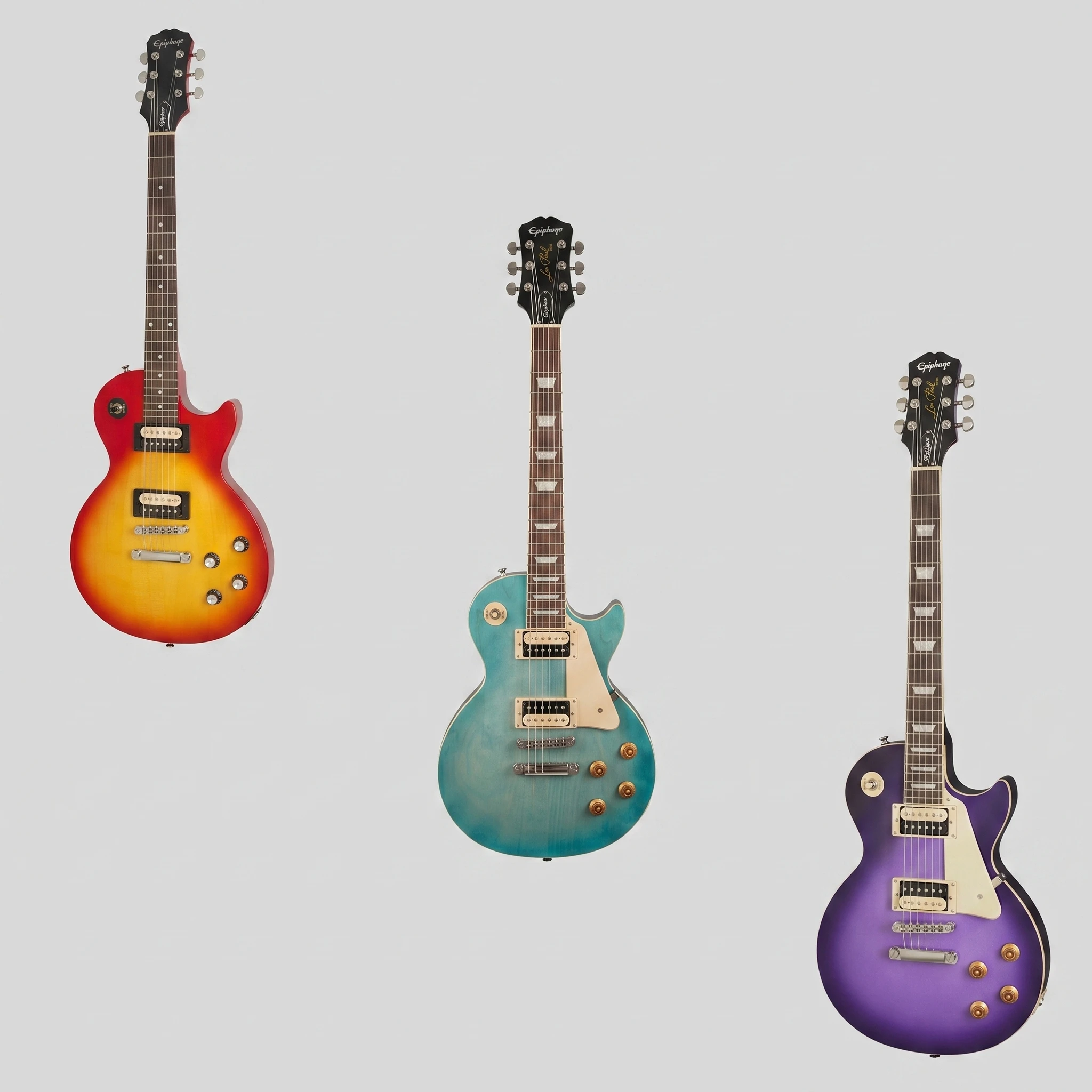
In this guide, we break down 3 of the best beginner-friendly Epiphone Les Pauls: the lightweight Studio E1, the vintage-style Classic, and the “90% of a Gibson” Trad Pro IV, so you can quickly find the one that fits your budget, hands, and rock style.
Each one has been put through the String Shock stress test so you will know which one to pick it up every single day.
Key Takeaways
- Best Overall Value: The Trad Pro IV is the “90% Gibson” winner, offering pro-grade Grover tuners and a frictionless satin neck that beats everything in its price bracket.
- Best for Purists: The Classic delivers the legendary mahogany “thump” and high-gloss aesthetic for players who want a traditional, “forever” Les Paul.
- Best for Starters: The Studio E1 is the ultimate low-barrier entry point, featuring a lightweight poplar body that prevents back fatigue during long beginner sessions.
Build Your Total Rock Rig
This instrument is just one piece of the puzzle. See how I pair it with the right gear in my Ultimate Rock Guitar Starter Kit.
| Quick Verdict: Which Beginner Les Paul Wins? | |
|---|---|
| Category | Winner |
| Absolute Best Value for Money | Epiphone LP Traditional Pro IV |
| Vintage Vibe & Iconic Shine | Epiphone Les Paul Classic |
| Easiest Neck to Play (Satin) | Epiphone LP Traditional Pro IV |
| Lowest Barrier to Entry (Price) | Epiphone Les Paul Studio E1 |
| Lightest Weight for Beginners | Epiphone Les Paul Studio E1 |
In 2026, the Epiphone Les Paul Traditional Pro IV is the undeniable heavyweight champion for value, offering “90% of a Gibson” specs at a fraction of the cost. However, the Classic remains the king for those who want that traditional high-gloss “forever” look, while the Studio E1 is the tactical choice for the absolute beginner who needs a lightweight, low-cost entry point to start playing today.
Comparison Table: Head-to-Head: Tone, Tech, and True Potential
| Category | Studio E1 | Trad Pro IV | Classic |
| Tone Profile | Bright & Snappy | Versatile & Articulate | Warm & Vintage |
| Neck Feel | Slim & Fast | Satin (Frictionless) | Gloss (Traditional) |
| Pickups | 650R/700T Ceramics | Alnico Classic PROs | Alnico Classic PROs |
| Tuning Stability | Standard | High (Grover) | High (Grover) |
| Weight | Lightweight (Poplar) | Heavy (Mahogany) | Heavy (Mahogany) |
The Spec Sheet: Beyond the Marketing Fluff
| Feature | Studio E1 | Trad Pro IV | Classic |
| Body Material | Poplar | Mahogany w/ Maple Cap | Mahogany |
| Neck Finish | Satin | Worn (Satin) | High Gloss |
| Electronics | Standard Master V/T | Coil-Split + Treble Bleed | Coil-Split + Phase |
| Nut Material | Synthetic | Graph Tech NuBone | Graph Tech NuBone |
| Bridge | Tune-o-matic | LockTone Stopbar | LockTone Stopbar |
Should You Buy the Classic, the Studio E1, or the Trad Pro IV?
Choosing between these 3 isn’t about which guitar is “better” in a vacuum, it’s about which one fits the specific reality of your life and your practice space right now.
Buy the Epiphone Les Paul Traditional Pro IV if…
- You want the best bang for your buck. This is the “90% of a Gibson” option. If you want pro-level Grover tuners and versatile Alnico Classic PRO electronics without the $2,000 price tag, this is your winner.
- You hate “sticky” necks. The Worn satin finish is built for speed. If you find high-gloss finishes frustrating to play, this frictionless neck will keep you practicing longer.
- You need tonal variety. With coil-splitting and a treble-bleed circuit, this guitar can handle everything from sparkling cleans to heavy classic rock.
⚡️If you want the full forensic breakdown on my top pick, check out my deep-dive Epiphone Les Paul Traditional Pro IV review to see why it dominates the mid-tier market.
Buy the Epiphone Les Paul Classic if…
- You are a purist. If you’ve spent years dreaming of that iconic, high-gloss Les Paul shine and the heavy mahogany “thump” that vibrates against your ribs, don’t settle for less.
- You want a “forever” instrument. The Classic is built to vintage specs that never go out of style. It feels, looks, and sounds like the records you grew up listening to.
- You don’t mind the weight. This is a full-heft mahogany beast. If you want that legendary sustain, you have to be willing to wear the weight.
⚡️To hear more about how this specific model handles everything from bluesy cleans to classic rock crunch, read my full Epiphone Les Paul Classic review.
Buy the Epiphone Les Paul Studio E1 if…
- You are on a strict budget. If your goal is to start playing today for the lowest possible investment, the Studio E1 is a surprisingly capable rock machine that gets the job done.
- You value comfort over tradition. Because it uses a lightweight Poplar body, this is the “featherweight” champion. It’s perfect for younger players or anyone who finds a standard Les Paul too heavy for long sessions.
- You want a fast, modern feel. The SlimTaper D neck and ceramic pickups are designed for modern high-gain “chug” and effortless movement across the fretboard.
⚡️If you’re still torn between the vintage feel and the budget-friendly alternative, I’ve settled that debate in my Epiphone Les Paul Classic vs. Studio E1 head-to-head showdown.
Studio E1, Trad Pro IV, Classic (Price Comparison)
Navigating the guitar market is as much about timing as it is about budget.
While the “MSRP” might suggest a fixed price, the reality is that the gap between a brand-new model and a “Mint” used find can often save you enough to pay for your first year of strings and a solid practice amp.
When you’re looking at these three, you aren’t just paying for wood, you’re paying for the hardware upgrades.
The jump from the Studio E1 to the Trad Pro IV or Classic is largely reflected in the move from generic parts to name-brand reliability like Grover tuners.
I’ve put together the current street prices and my vetted links to ensure you’re getting the most “Rockstar” for your buck.
String Shock Motto: “Don’t spend a fortune unless you have a fortune.” -Steve
| Model | Street Price | Amazon (New) | Reverb (Best Used) |
|---|---|---|---|
| Epiphone LP Traditional Pro IV | $399 – $549 | View on Amazon | View on Reverb |
| Epiphone Les Paul Classic | $809 | View on Amazon | View on Reverb |
| Epiphone Les Paul Studio E1 | $249 – $349 | View on Amazon | View on Reverb |
Affiliate Disclosure: These links help support String Shock at no extra cost to you. I only recommend gear I’ve actually put through the wringer.
Tone Comparison: Vintage Thump vs. Modern Versatility
When you plug these 3 into a high-gain Mesa Boogie, like mine, or a clean VOX AC30 amp, you’ll realize they aren’t just the same guitar with different paint. The electronics and body wood create three distinct “personalities.”
The Epiphone Les Paul Classic: The “Produced” Sound
The Classic is the most recognizable “rock” sound of the bunch.
Because of its traditional mahogany weight and Alnico Classic PRO humbuckers, it has a warm, mid-heavy resonance.
When you play a power chord, it feels thick and “finished,” like a record you’ve heard a thousand times.
It’s the king of sustain, if you want your notes to ring out for days, this is the one.
The Epiphone LP Traditional Pro IV: The “Swiss Army Knife”
If the Classic is a specialist, the Trad Pro IV is the workhorse.
It uses the same high-output Alnico pickups, but the treble-bleed circuit is the game-changer here.
When you roll back the volume, the tone stays crisp and clear instead of getting muddy.
Plus, with the coil-splitting, you can get “thinner” single-coil tones that the others can’t quite replicate, making it the most versatile for a player who wants to cover everything from Blues to Metal.
The Epiphone Les Paul Studio E1: The “Snappy” Modernist
Don’t let the price tag fool you, the Studio E1 has a distinct “snappiness” thanks to its lightweight Poplar body and Ceramic humbuckers.
It’s brighter and more “immediate” than the mahogany models. While it lacks the deep, dark resonance of the Classic, it excels in high-gain situations where you need your “chugs” to be tight and defined without any low-end flub.
| Epiphone Les Paul Classic | Epiphone LP Traditional Pro IV | Epiphone Les Paul Studio E1 |
|---|---|---|
Pros:
|
Pros:
|
Pros:
|
| Cons: | Cons: | Cons: |
|
|
|
Final Verdict: Which One Should You Buy?
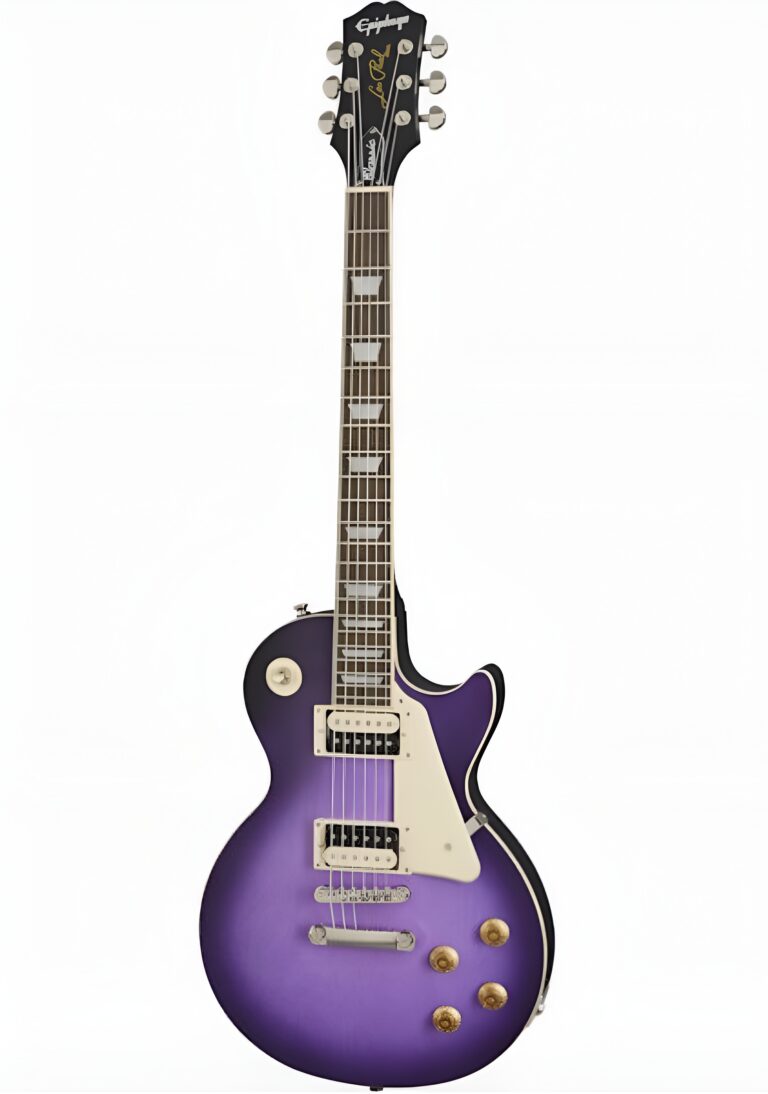
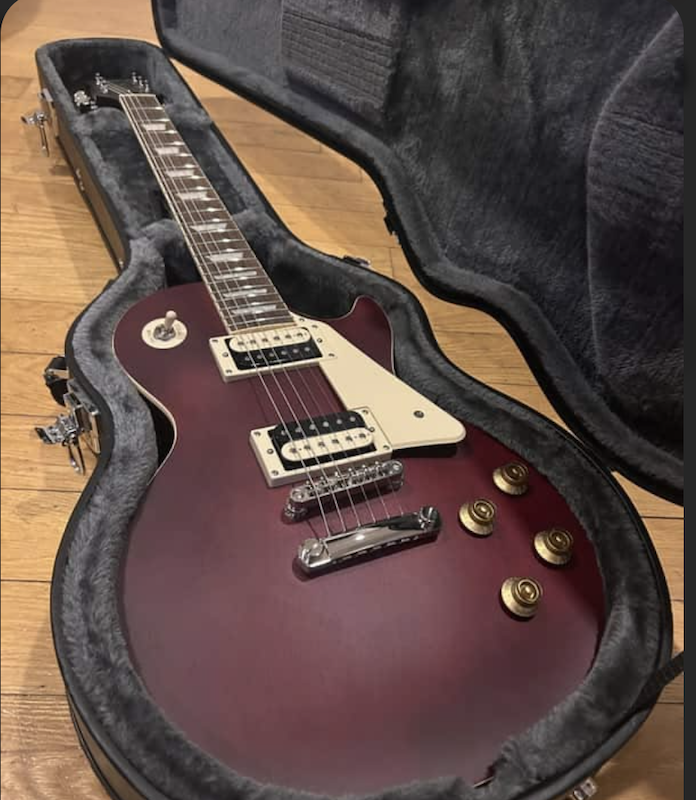
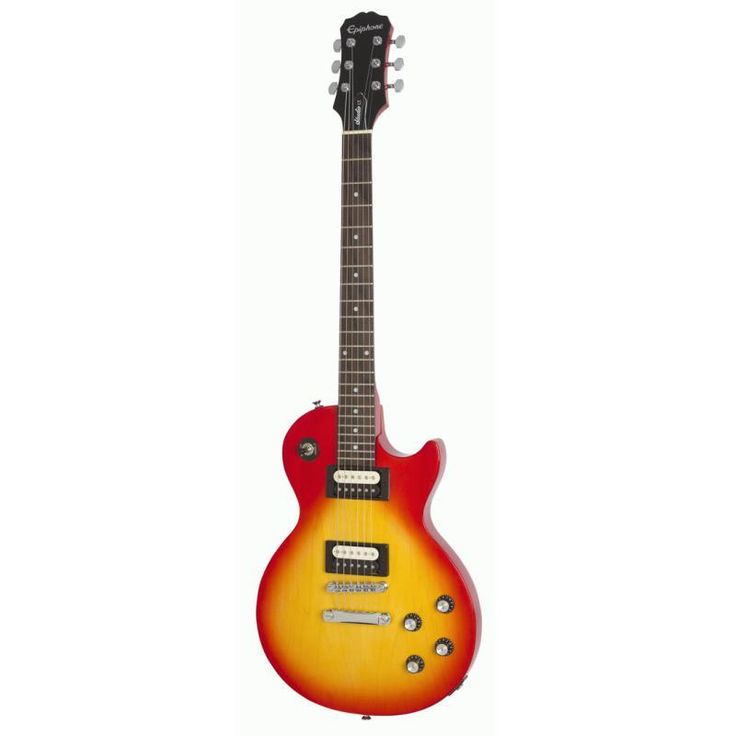
At the end of the day, picking the “best” Les Paul isn’t about the wood and wires, it’s about the momentum. The best guitar in this group is the one that makes you feel like a rockstar the second you strap it on, because that is the guitar you will actually play.
If you’re looking for the instrument that offers pro-level stability, incredible tonal variety, and a neck that won’t slow you down, the Epiphone Les Paul Traditional Pro IV is my TOP recommendation. It truly is 90% of a Gibson for 20% of the price.
However, if your heart is set on the vintage “Forever” look and that deep mahogany thump, the Classic is a choice you’ll never regret.
And for those of you who just need to get your hands on a neck today without breaking the bank, the Studio E1 is your tactical entry point.
Pick your weapon, stop overthinking, and start playing.
Choosing the right guitar is the first step toward your new identity. Once you have the tool in your hands, the only thing left is to apply The String Shock Method and start playing with the passion you’ve been sitting on for years.
Comparison Review Scores
| Category | Classic Score | Trad Pro IV Score | Studio E1 Score |
| Tone Quality | 9/10 | 9.4/10 | 6/10 |
| Playability | 8/10 | 9.6/10 | 7/10 |
| Hardware | 9/10 | 9.1/10 | 5/10 |
| Total Average | 8.7/10 | 9.5/10 | 6.0/10 |
How We Tested: The String Shock Comparison Methodology
I don’t believe in “desktop reviews.” To give you the truth, I put the Classic, the Trad Pro IV, and the Studio E1 through my String Shock 4-Pillar Stress Test:
Pillar 1: The Tuning Stability Test: I spent two hours on each guitar performing aggressive 1.5-2 step bends and heavy rhythmic “chugging” to see which nuts and tuners held their pitch under real-world pressure.
Pillar 2: The “Sticky Neck” Friction Test: I tested the playability of the high-gloss Classic against the satin “Worn” finish of the Trad Pro IV and Studio E1 to see which neck allowed for faster position shifts without “grabbing” the palm.
Pillar 3: The Electronic Clarity Test: I ran all three through a clean Fender Pro 185 amp and my high-gain Mesa Boogie stack to measure the hum-to-signal ratio and the effectiveness of the Alnico vs. Ceramic pickups.
Pillar 4: The Ergonomic Weight Test: I performed 60-minute standing sessions with each model to determine the “fatigue factor”, measuring exactly how the different body woods (Poplar vs. Mahogany) affect your endurance during a long practice session.
Current pricing below for the Pro IV, Classic, and Studio E1
Grab the guitar that makes you want to turn the amp up to 11!
| Model | Street Price | Amazon (New) | Reverb (Best Used) |
|---|---|---|---|
| Epiphone LP Traditional Pro IV | $399 – $549 | View on Amazon | View on Reverb |
| Epiphone Les Paul Classic | $809 | View on Amazon | View on Reverb |
| Epiphone Les Paul Studio E1 | $249 – $349 | View on Amazon | View on Reverb |
Affiliate Disclosure: These links help support String Shock at no extra cost to you. I only recommend gear I’ve actually put through the wringer.
Frequently Asked Questions
1. Is the Epiphone Les Paul Studio E1 good for beginners?
Yes, it is the best entry point for those on a strict budget. Its lightweight poplar body and low price make it a great starting point for new players who want to stop researching and start playing today.
2. What is the difference between the Classic and the Trad Pro IV?
The Classic offers a high-gloss finish and vintage vibes with phase switching, while the Trad Pro IV is a modern workhorse with a satin “Worn” neck, Grover tuners, and a treble-bleed circuit for better clarity.
3. Does the Traditional Pro IV stay in tune better than the Studio E1?
Absolutely. Because the Traditional Pro IV features pro-grade Grover Rotomatic tuners, it provides superior tuning stability compared to the basic hardware found on the budget-friendly Studio E1.