
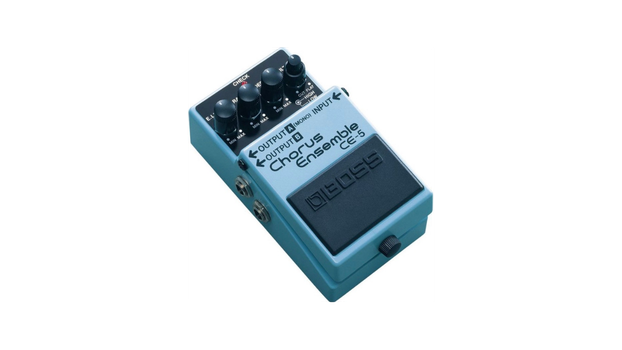
Boss CE-5 Review: The Blue-Collar Tone Tank That Survives
Transparency Quote: Look, the internet loves to chase the ghost of all-analog vintage mojo, but out here in the real world, you need a pedal that survives a spilled beer, a cramped pedalboard, and still shapes your tone with surgical precision. The CE-5 isn’t a museum piece, it’s a scrappy, blue-collar tool built to grind.
The day you decide to plug into your first effect pedal is the day you stop just practicing and start forging your own signature sound.
But hunting down that first stompbox is a minefield. Stomp on a cheap, low-grade modulator and your sound gets swallowed by a cheesy, synthetic mush that suffocates your rhythm.
The Boss CE-5 bridges the gap, taking you from a dry bedroom setup to a massive, three-dimensional stadium rock roar, giving you the exact frequency tools to scrape away the mud and let your riffs cut through the room.
⚡️FREE: The 15-Minute Rock Guitar Practice Routine
Stop “practicing” and start playing. Grab the daily blueprint I use to keep my fingers stage-ready in just 15 minutes.
Key Takeaways
-
Surgical Frequency Control: The standout dual filter knob lets you scrape the chorus mud away from your low strings, keeping your heavy rhythm riffs crystal clear while your high-end shimmers.
-
Massive Stereo Width: Utilizing the dual outputs splits your signal into an immersive, three-dimensional ambient wave that instantly blows the walls off a dry bedroom space.
-
Built Like a Tank: Housed in the legendary die-cast Boss compact chassis, this pedal is engineered to take severe stage beatings and survive for decades.
-
Modern vs. Vintage Tone: The modern digital circuit delivers razor-sharp clarity, though purists hunting for dark, velvety analog warmth might prefer hunting down a pre-2001 unit.
-
Frictionless Playability: The iconic oversized Boss footpad ensures zero drama on a dark stage, making it an ideal first modulation pedal for any guitarist building their rig.
| Quick Verdict: Boss CE-5 Stereo Chorus Ensemble | |
|---|---|
| Category | The Veteran’s Take |
| Tone | Delivers a massive, three-dimensional stereo width. While the modern digital version cuts clean and clear, purists might miss the lush, warm coloration of old-school analog circuits. |
| Feature Set | The concentric high- and low-cut filters are a lifesaver, allowing you to scrape the chorus out of your low end so heavy rhythm riffs stay completely articulate. |
| Playability | Dead-simple four-knob layout makes dialing in anything from a subtle acoustic shimmer to an aggressive 80s hard rock swirl incredibly fast. |
| Build & Portability | Built like a tank in the legendary, virtually indestructible die-cast Boss chassis. It takes up minimal pedalboard real estate and survives decades of heavy stomping. |
| Overall Value | Retailing for around $154, it’s a blue-collar workhorse that offers professional frequency control and true stereo outputs without the boutique premium price tag. |
In 2026, the Boss CE-5 Chorus Ensemble remains the standard for functional, road-ready modulation. If you are a lead player ready to ditch a dry bedroom signal and forge a wide, three-dimensional rock sound without losing your low-end punch, this box gets the job done without a fuss.
Review Scores: Boss CE-5 Stereo Chorus Ensemble
| Category | Score | The Gritty Reality |
| Tone & Shimmer | 8.5/10 | Razor-sharp clarity and excellent high-end shimmer, but lacks the dark, velvety chewiness of true vintage analog buckets. |
| Frequency Control | 9.5/10 | The concentric filters are absolute gold. Being able to slice the modulation off your low strings keeps your heavy rhythm tracks dead-on tight. |
| Build & Reliability | 10/10 | It’s a Boss compact pedal. You can drop it down a flight of concrete stairs, throw it in a gig bag, and it will click on and work every single time. |
| Versatility | 9.0/10 | Handles ultra-clean funk, heavy high-gain leads, acoustic rigs, and synths without choking your core dynamics. |
| Overall Score | 9.2/10 | A blue-collar powerhouse. It wins on pure utility, surgical control, and road-hardened durability. |
Boss CE-5 Stereo Chorus: Price and Value
Look, buying gear isn’t a corporate negotiation, it’s about getting a tool that gets the job done without draining your wallet.
If you want zero drama, coughing up the cash for a brand-new factory unit gets you a fresh box with a safety net warranty.
It is the straightest shot to tearing open the plastic, stomping the switch, and immediately throwing down a massive, three-dimensional wave without worrying if the last owner fried the circuit board.
On the other hand, if you’ve got a scrappy, find-a-way mindset, you head straight to the pre-owned racks.
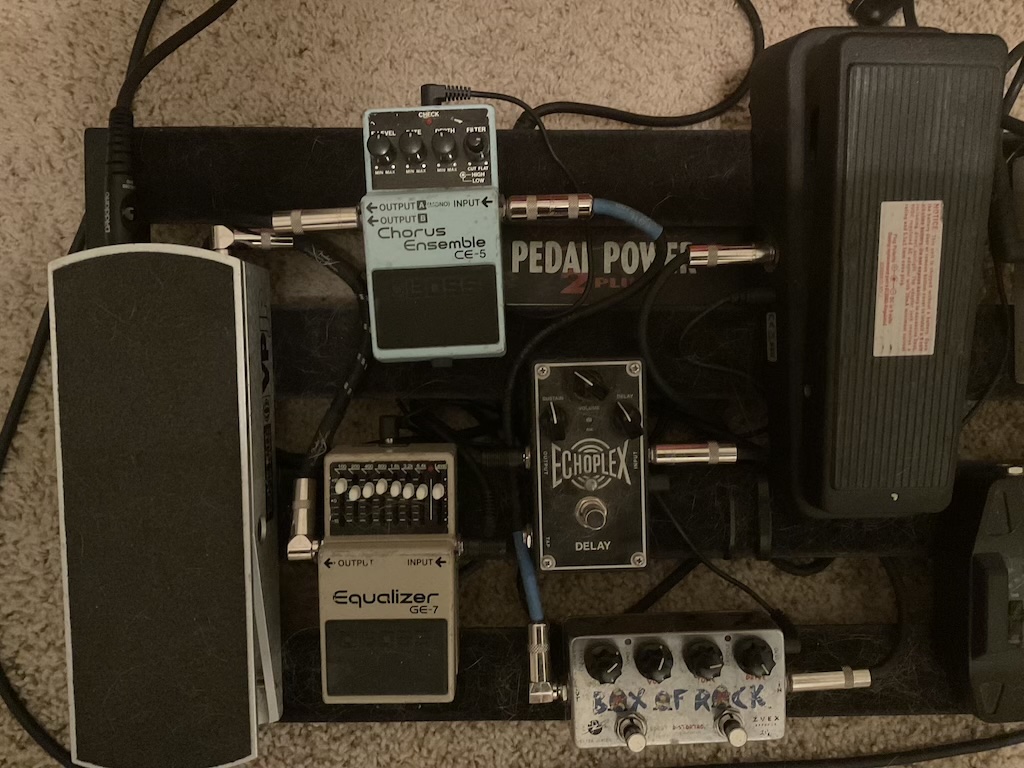
Hunting down a pre-loved unit lets you grab a road-hardened tank for double digits, leaving you extra cash for strings.
Plus, going the used route is the only way to play detective and hunt for the pre-2001 “pink label” legacy boxes if your ears demand that old-school, all-analog bucket brigade circuit instead of the modern digital chip.
| Retailer | Price | Link |
|---|---|---|
| Amazon | $139 | Check Price on Amazon |
| Reverb | $99 (used) | Check Price on Reverb |
Should You Buy the Boss CE-5?
If you are a lead player in the making looking to transition your tone from a flat bedroom amp to a massive wall of sound, this pedal will take you there.
It’s built for the guitarist who wants surgical control over their modulation rather than just clicking a button and praying it doesn’t muddy up the low end.
⚡️Even when running through a solid budget practice amp, the dual filters let you carve out low-end mud so your signal stays punchy.
Buy If:
- You want total EQ control: The concentric high- and low-cut filters let you scrape the chorus effect off your low strings, keeping your heavy rhythm riffs tight while the high notes shimmer.
- You plan to run a dual-amp setup: The true stereo outputs create a wide, immersive ambient soundscape that fills the room.
- You need bombproof reliability: It’s housed in the classic tank-like Boss chassis that survives years of heavy stomping.
Don’t Buy If:
- You chase vintage analog warmth: Later digital iterations of the CE-5 can sound a bit sterile or clinical compared to an old-school, all-analog CE-2.
- You demand true bypass: The buffered bypass keeps your signal strong over long cable runs, but purists might notice a slight coloration of their dry tone.
Tone & Versatility
Clicking this pedal on isn’t about hiding your playing behind a wall of cheap studio tricks, it’s about making your guitar sound like a living, breathing monster.
In a standard mono setup, the CE-5 adds a sharp, glass-like shimmer to your high strings that immediately captures that classic 80s hard rock crunch.
But the real magic happens when you split the signal into two amplifiers using the dual outputs. It throws a massive, three-dimensional wave across the room that makes a single guitar feel like an entire stadium rhythm section, giving you a wider canvas to forge your leads.
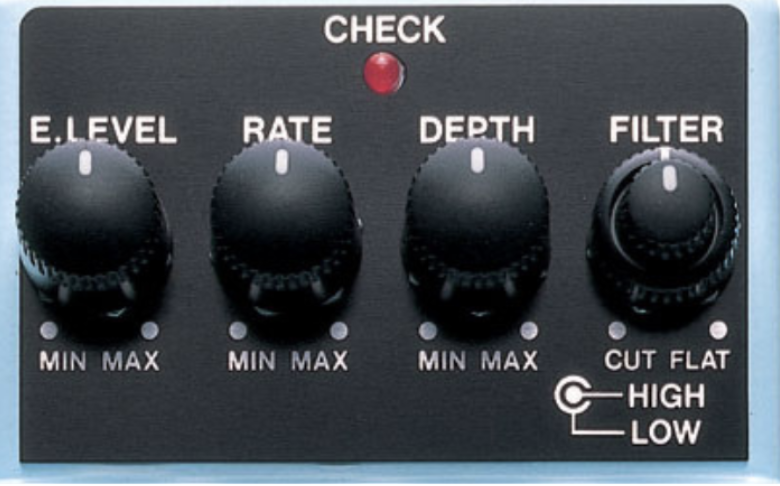
The absolute weapon on this interface is the concentric filter knob. Most budget chorus pedals overwhelm your core signal, turning your low-end power chords into a muddy, unusable soup.
With the CE-5, you can surgically scrape the modulation out of your low frequencies entirely. This means you can grind through heavy, aggressive rhythm riffs with perfect clarity while your high-end leads maintain a wide, ambient swirl that cuts straight through the mix.
Comfort & Playability
When you are deep in the zone trying to nail a lead line, you shouldn’t have to look down and babysit your pedalboard.
The CE-5 utilizes the iconic Boss oversized foot switch, meaning you don’t have to aim your boot at a tiny metal pin in a dark room.
It is designed for zero friction. Just smash your foot down anywhere on the pad and the effect engages seamlessly, letting you stay completely focused on your fretboard.
The physical layout of the controls is just as frictionless.
The four knobs are spaced tightly but logically, and they offer a satisfying, smooth resistance when you turn them.
You can easily make on-the-fly adjustments between songs with your thumb without accidentally knocking your other settings out of alignment. It’s a road-tested layout that lets you dial in your texture instantly so you can get back to the pure joy of making noise.
Hardware & Electronics
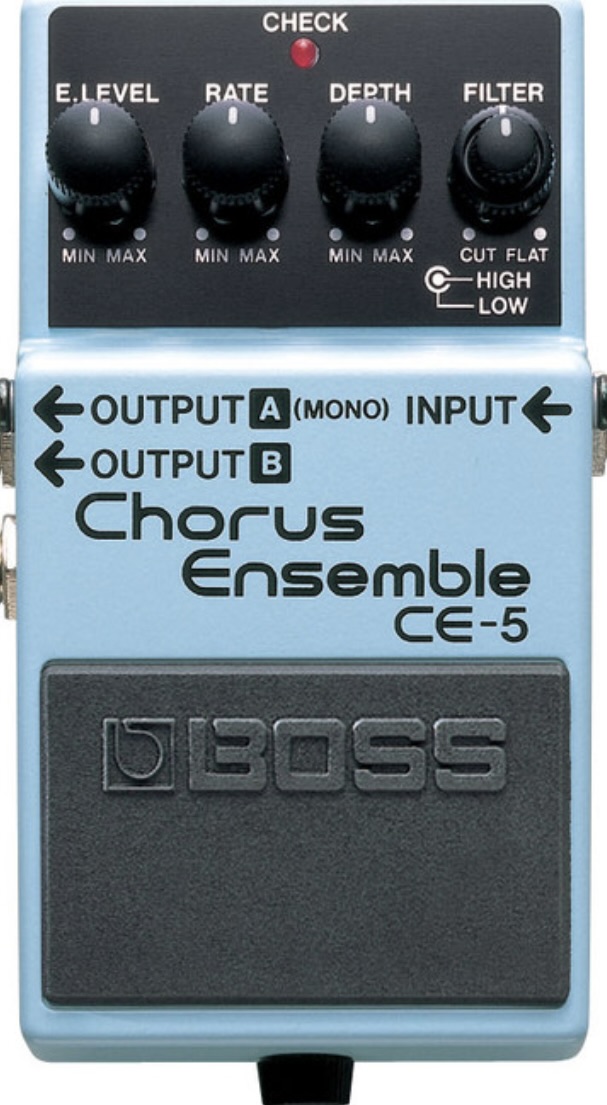
This thing is engineered like a tank!
The core of the CE-5 is housed in the classic die-cast aluminum enclosure that has defined the brand’s legendary durability for decades.
You can throw it in a battered gig bag, step on it with heavy boots, or drop it on a concrete floor. The pots are recessed safely away from stray stomps, and the rugged switch mechanism is practically immune to wear and tear.
On the electronics side, the pedal draws a lean 22 mA of power, meaning it won’t choke your power supply or kill a 9V battery in an hour.
It features a single mono input and dual outputs for true stereo routing.
The internal circuit uses a high-quality buffered bypass, while it keeps your signal strong and bright over long cable runs, it does add a tiny bit of coloration to your dry tone when bypassed.
It’s an unglamorous, blue-collar architecture designed to do one specific job: click on and survive the grind, every single night.
Sound Test
Clean: Pure Ambient Glass
Plugging straight into a pristine tube amp channel with the CE-5 engaged instantly breaks down your bedroom walls.
With the Rate set low and the Depth dialed past noon, your clean tones take on a glassy, three-dimensional shimmer.
It doesn’t color your fundamental notes with a cheesy, synthetic warble; instead, it opens up a massive ambient space that gives single-note lines and arpeggios room to breathe.
⚡️Plugging a classic single-coil Stratocaster into the CE-5 instantly yields that glassy, 80s-style ambient shimmer.
Crunch: The Scrappy 80s Grind
When you kick on a solid overdrive pedal, the CE-5 shows its true blue-collar utility.
By rolling the low-cut filter up slightly, you scrape the chorus mud away from your low E and A strings.
This allows you to punch through aggressive, heavy rhythm tracks with raw punch while the high-register fills maintain an expansive, arena-rock swirl that cuts straight through the mix.
High Gain: Modern Fluid Saturation
Stomping on a high-gain lead channel with a standard modulation pedal usually results in a chaotic, unmusical mess.
But the CE-5 handles the raw saturation like a pro.
Keeping the Rate tight allows the pedal to mimic the thick, double-tracked solo tone of classic rock records, smoothing out harsh high-end frequencies and adding fluid sustain to your leads without burying your pick attack.
| ✅ Pros | ⚠️ Cons |
|---|---|
| ✅ Surgical Frequency Control: The concentric high/low cut EQ filters are absolute gold, letting you scrape the chorus mud off your low strings so heavy rhythm riffs stay dead-tight. | ⚠️ Sterile Tone: Modern digital versions can sound a bit cold or clinical compared to the dark, velvety chewiness of old-school, all-analog bucket brigade circuits like the CE-2. |
| ✅ Massive Stereo Field: Utilizing the dual outputs splits your signal into an immersive, ultra-wide three-dimensional wave that easily fills up the room when running a two-amp setup. | ⚠️ Unusable Extremes: Cranking the Rate and Depth knobs to their absolute maximum limits results in a metallic, unmusical seasick warble. |
| ✅ Bombproof Construction: Housed in the legendary die-cast Boss compact chassis built to take severe stage beatings and survive for decades. | ⚠️ Buffered Bypass: The internal buffer keeps your signal strong over long cable runs but can add a tiny bit of unwanted coloration to your pure, unaffected dry tone. |
| ✅ Multitool Versatility: Works phenomenally well across clean funk, high-gain lead guitar, acoustic rigs, and synthesizers without swallowing your core dynamics. | ⚠️ Battery Hog: Modulation circuits draw consistent juice; if you don’t run it on a dedicated 9V DC power supply, it will chew through standard 9V batteries quickly. |
How We Tested: The String Shock Methodology
I don’t just read the spec sheets or parrot whatever the marketing hype claims.
⚡️The CE-5 has never been taken off of my pedalboard.
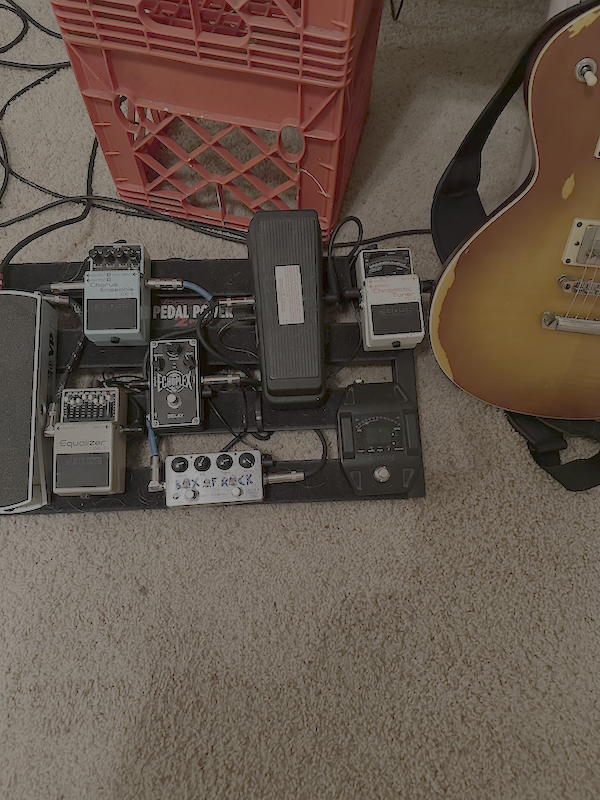
To find the true grit of the Boss CE-5, I put it through four brutal stress test pillars in a real-world bedroom and studio environment.
- The Low-End Grind Test: I slammed the pedal with heavy, dropped-tuned power chords on a high-gain amp channel to see if the low-cut filter actually scrapes the mud away or if the rhythm gets swallowed by a messy, synthetic wave.
- The Stereo Split Test: Split the dual outputs into two separate amplifiers positioned on opposite sides of the room to analyze the true three-dimensional depth and ambient spread of the stereo circuit.
- The Friction Test: Stomped on the oversized housing repeatedly in a dark room to evaluate on-the-fly playability, control knob resistance, and real-world stage reliability.
- The Transparency Check: AB’ed the pedal in and out of a long cable chain to hear exactly how much the internal buffered bypass colors the raw, unaffected dry guitar tone when the effect is clicked off.
Spec Recap: Boss CE-5 Chorus Ensemble
| Feature | Specifications |
| Controls | Effect Level, Rate, Depth, Concentric High/Low Cut Filter |
| Inputs | 1 x 1/4″ Mono Jack |
| Outputs | 2 x 1/4″ Jacks (Output A/Mono, Output B for Stereo) |
| Bypass Mode | Buffered Bypass |
| Power Supply | 9V DC Power Supply (PSA Series) or 9V Battery |
| Current Draw | 22 mA |
| Nominal Input Level | -20 dBu |
| Housing Material | Heavy-Duty Die-Cast Aluminum |
Final Verdict: Own Your Sound
The internet loves to obsess over vintage gear, but in reality, you don’t need a fragile museum piece.
You need a scrappy tool that does its job without a fight.
The Boss CE-5 isn’t here to mimic a warm, dark, 70s time machine.
It is a blue-collar workhorse designed to give you surgical control over your spatial width, keeping your heavy rhythm tracking punchy while casting an ultra-wide, three-dimensional wave across the room.
If you’re a lead player in the making who is tired of dry bedroom tones and wants a bulletproof entryway into modulation, this pedal gets it done.
Decide right now that you are a guitarist who commands the room, put in the work to master your clean and dirty textures, and use this box to bridge the gap between small practice spaces and a massive rock rig.
| Retailer | Price | Link |
|---|---|---|
| Amazon | $139 | Check Price on Amazon |
| Reverb | $99 (used) | Check Price on Reverb |

Build Your Total Rock Rig
⚡️FREE: The 15-Minute Rock Guitar Practice Routine
Stop “practicing” and start playing. Grab the daily blueprint I use to keep my fingers stage-ready in just 15 minutes.
Frequently Asked Questions
1. Is the Boss CE-5 analog or digital?
It depends entirely on the year it was built. Boss manufactured the CE-5 using an all-analog bucket-brigade (BBD) circuit from its launch in 1991 until October 2001. These are usually identified by a pink label on the back. Units rolling off the line after October 2001 utilize a modern digital chip that delivers a cleaner, crisper high-end shimmer.
2. What do the high and low-cut filters do on the CE-5?
They act as a precise frequency shaping tool for your modulation. The low-cut filter allows you to roll the chorus effect off your thick low strings so heavy rock rhythm riffs stay dead-tight and punchy, while the high-cut filter tames harsh, ice-pick frequencies on your screaming high-register leads.
3. Does the Boss CE-5 have true bypass?
No. Like all standard Boss compact stompboxes, the CE-5 features a high-quality buffered bypass circuit. This buffer is designed to keep your signal strong and prevent high-end tone loss over long cable runs, though tone purists might notice a microscopic amount of coloration to their dry signal when the pedal is turned off.
4. Can I use the Boss CE-5 with bass or keyboards?
Absolutely. Because of the built-in concentric EQ filters, the CE-5 is a versatile multi-tool that works exceptionally well with bass guitars and synthesizers. You can dial the low cut to keep a bass guitar’s fundamental notes solid while letting the mid-range growl and swirl.